





Asian Balsam Aphid
Impatientinum asiaticum
The Asian Balsam Aphid is a tiny bug that loves to munch on plants. They are often found in groups and can be seen on the leaves of flowers and vegetables.
Habitat: Urban areas, Gardens
The Asian Balsam Aphid is a tiny, soft-bodied insect, typically pear-shaped and green or yellowish-green. It often matches the colour of its host plant, Himalayan balsam, helping it blend in. Some forms have delicate, transparent wings.
Category
InsectsRarity
Common
Danger
1/5 · Very low
Snaps
Be the first to snap!
Wow! Many tiny aphids can cover an entire plant stem, making it look like it's wiggling!
Wow! Some aphids are born pregnant, meaning they already have babies inside them!
Wow! The sweet honeydew aphids produce can make plant leaves super sticky and shiny!
Wow! These tiny plant eaters sometimes shed their old skins, leaving ghostly white flakes behind!
Asian Balsam Aphid can reproduce without a partner, creating many genetic copies of itself, which helps them multiply fast.
Asian Balsam Aphid has specialized mouthparts to pierce plant stems and suck out sugary sap, which helps them get all their food.
Asian Balsam Aphid can excrete a sweet, sticky liquid called honeydew, which helps them attract protective ants.
Asian Balsam Aphid can grow wings to fly to new plants when their current home gets too crowded, helping them find fresh food.
This tiny insect sips sugary sap from plants, like drinking soda through a straw!

Impatiens glandulifera
source of all its food.
Coccinella septempunctata
ladybug larvae and adults feast on aphids.
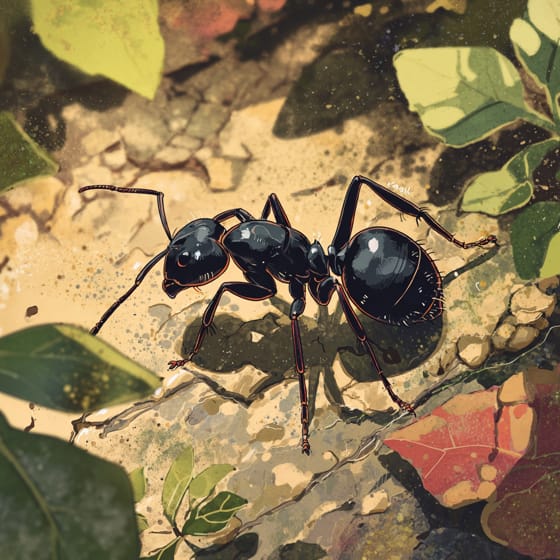
Lasius niger
provides honeydew for ants, ants offer protection.
Chrysoperla carnea
lacewing larvae hunt and eat many aphids.
Social animals live in organized groups, cooperating for survival benefits such as foraging, defense, and raising offspring.
This trait characterizes organisms whose diet consists entirely or primarily of plant material.
Diurnal animals are primarily active during daylight hours, typically resting or sleeping at night.
Pertaining to species that are significantly smaller than typical or average for their kind.

This habitat trait indicates species that can coexist with humans in urban and suburban environments, utilizing man-made structures and green spaces.

Invasive species are non-native organisms that cause harm to the environment, economy, or human health.

Describes organisms that transfer pollen, enabling the fertilization and reproduction of plants.
No aliases listed yet.
Danger
1/5 · Very low
Don't touch bugs without asking an adult, as some can bite or sting.
The easiest way to identify Asian Balsam Aphid is to use the Snappit nature identifier app.
2-6 mm
1-3 mm
10-30 days
0.3 km/h
This tiny insect sips sugary sap from plants, like drinking soda through a straw!
Urban areas, Gardens
Foraging
Zoom in to split clusters and explore where this object has been snapped.
Recent snaps will appear here as new observations are added.
Take the discovery with you
Snap it with Snappit to identify it, learn what makes it special, and add the discovery to your collection.







.jpg&width=800)




