





Oriental Cockroach
Blatta orientalis
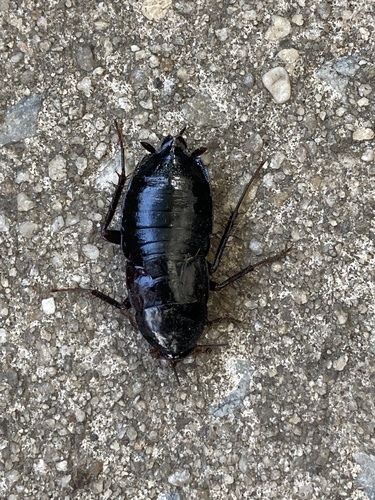
The Oriental Cockroach is a shiny, dark brown insect that often lives in warm places. They like to hide in dark corners and can be found in homes and gardens.
Habitat: Urban areas
The Oriental Cockroach is a shiny, dark brown to black insect with a broad, flattened body. Males have wings that cover about three-quarters of their abdomen, while females have very short, stubby wing pads, making them look visually distinct.
Category
InsectsRarity
Common
Danger
1/5 · Very low
Snaps
10
A female can lay up to 8 egg cases in her lifetime, each holding about 16 eggs!
If they lose a leg, they can often grow it back after molting into a new exoskeleton!
Oriental cockroaches prefer cooler temperatures than many other common household roaches.
They're often called 'water bugs' because they love damp, dark places, especially drains!
Oriental Cockroach can flatten its body to squeeze through tiny cracks because of its flexible exoskeleton.
Oriental Cockroach can release a strong, musty odor that helps them deter predators when threatened.
Oriental Cockroach can hold its breath for extended periods, allowing them to survive submerged in water.
These bugs are not picky eaters, munching on almost anything organic they find around!
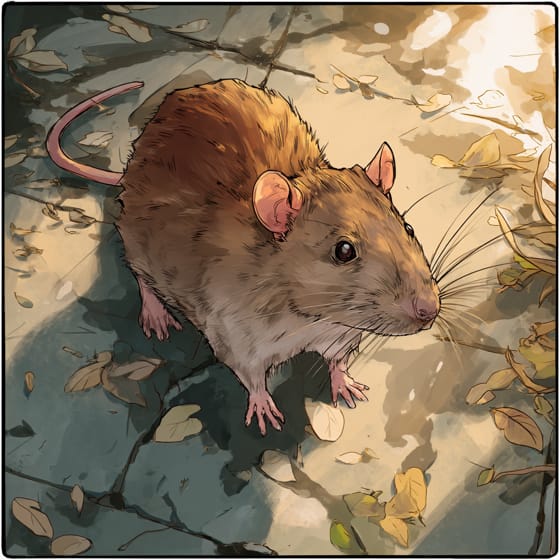
Rattus norvegicus
Rats prey on cockroaches found in sewers and basements.

Felis catus
Cats may hunt and eat cockroaches found indoors.
Tegenaria domestica
Spiders often trap and consume cockroaches.
Solitary animals live alone for most of their lives, only interacting with others for mating or parental care.
This trait identifies organisms whose diet includes both plant and animal matter.
Scavengers consume dead organic matter, helping to decompose carcasses and other waste in the ecosystem.
Camouflaged describes organisms that possess coloring or patterns that allow them to blend into their environment.

This trait identifies organisms that exhibit exceptional swiftness in movement for hunting, escape, or travel.

This habitat trait indicates species that can coexist with humans in urban and suburban environments, utilizing man-made structures and green spaces.

Nocturnal animals are primarily active during the nighttime hours, typically resting or sleeping during the day.
No aliases listed yet.
Danger
1/5 · Very low
If you see a cockroach, it's best to leave it alone and tell an adult.
The easiest way to identify Oriental Cockroach is to use the Snappit nature identifier app.
20-30 mm
150-180 days
These bugs are not picky eaters, munching on almost anything organic they find around!
Urban areas
Scavenging
6
Zoom in to split clusters and explore where this object has been snapped.
Jun 6, 2026
Bartram's GardenPhoto attribution
(c) hannahtidae, some rights reserved (CC BY)
License: CC BY 4.0 ↗
Image may be shown cropped inside the card frame.
Jun 12, 2026

Pennsylvania, US
You might spot Tree-Of-Heaven, Spotted Lanternfly, and American Tuliptree.
View guide →

District of Columbia, US
You might spot Eastern Gray Squirrel, Spotted Lanternfly, and Duck.
View guide →

New Mexico, US
You might spot Duck, Greater Roadrunner, and American Robin.
View guide →

New Mexico, US
You might spot Wood Duck, Duck, and Canada Goose.
View guide →

Pennsylvania, US
You might spot House Sparrow, Spotted Lanternfly, and American Robin.
View guide →

New Mexico, US
You might spot Sand Tiger Shark and Zebra Shark.
View guide →
Take the discovery with you
Snap it with Snappit to identify it, learn what makes it special, and add the discovery to your collection.









.jpg&width=800)




