





Asiatic Jasmine
trachelospermum asiaticum
Asiatic Jasmine is a beautiful plant that spreads quickly and can cover large areas. Its lovely, star-shaped flowers can brighten up any garden!
Habitat: Asiatic Jasmine typically grows in gardens, parks, and along roadsides.
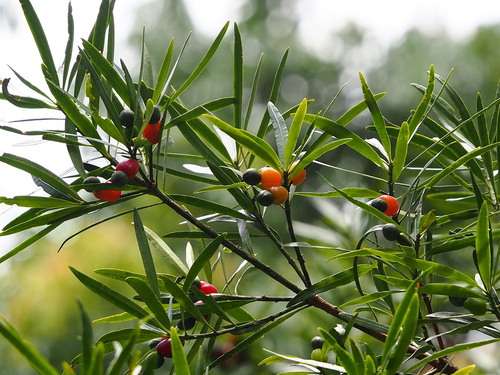
The Asiatic Jasmine is a dense, evergreen groundcover featuring glossy, dark green oval leaves. In late spring, it produces tiny, fragrant, pinwheel-shaped flowers, typically creamy white to pale yellow. Its lush foliage creates a neat, carpet-like appearance.
Category
PlantsRarity
Common
Danger
0/5 · No known danger
Snaps
Be the first to snap!
Its shiny green leaves might turn a beautiful bronze color in winter's chill.
Some Asiatic Jasmine plants have been known to live for over 50 years!
Though named 'jasmine', it's actually not a 'true' jasmine species at all!
Wow! This plant can actually climb fences and walls if it finds support!
Asiatic Jasmine forms a dense mat that smothers weeds, helping it dominate its growing space.
Its extensive root system helps prevent soil erosion, keeping slopes and banks stable.
Its small, fragrant flowers attract pollinators like bees, ensuring successful reproduction.
Apis mellifera
Gathers nectar and pollen from its small flowers.

Bombus impatiens
Visits flowers to collect nectar and pollen.
Formica fusca
Lives among its dense groundcover foliage.
Colorful describes organisms or objects displaying a wide range of bright and distinct colors.
This trait characterizes organisms whose diet consists entirely or primarily of plant material.
Forest habitats are terrestrial environments dominated by dense tree cover, supporting a high diversity of plant and animal life.
Diurnal animals are primarily active during daylight hours, typically resting or sleeping at night.

Describes organisms that transfer pollen, enabling the fertilization and reproduction of plants.
Danger
0/5 · No known danger
No special safety notes yet.
The easiest way to identify Asiatic Jasmine is to use the Snappit nature identifier app.
15-30 cm
100-300 cm
1-2 cm
Late_spring_to_summer
No
Mild
Perennial
Zoom in to split clusters and explore where this object has been snapped.
Recent snaps will appear here as new observations are added.
Take the discovery with you
Snap it with Snappit to identify it, learn what makes it special, and add the discovery to your collection.








.jpg&width=800)



_001.jpg&width=800)




