




Asters And Allies
astereae
Asters and their allies are colorful flowers that bloom in late summer and fall. These beautiful plants attract butterflies and bees, making gardens lively and bright!
Habitat: Asters can be found in meadows, fields, and along roadsides, thriving in sunny areas.
The Asters And Allies have striking, star-shaped flower heads, typically featuring a central disc of tiny yellow florets surrounded by a vibrant halo of ray petals. These can appear in shades of purple, blue, pink, white, or yellow, making them visually distinct from many simpler blooms.
Category
PlantsRarity
Common
Danger
0/5 · No known danger
Snaps
Be the first to snap!
Aster leaves and roots were historically used by Native Americans for various medicines.
Asters are super important for bees and butterflies needing late-season food for energy!
Some Asters can sprout new plants from their underground stems, allowing them to spread wide!
What looks like one aster flower is actually many tiny flowers grouped together!
Asters And Allies can bloom late into fall, providing vital nectar and pollen for insects when other flowers are scarce.
Asters And Allies have composite flower heads, meaning each 'flower' is actually many tiny flowers grouped together.
Asters And Allies can spread their seeds far on the wind, thanks to fluffy parachute-like structures called pappus.
Apis mellifera
collects nectar and pollen
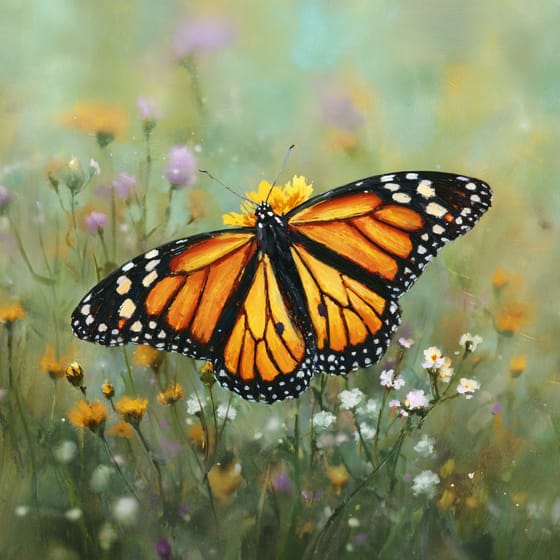
Danaus plexippus
feeds on nectar for energy
Phytomyza lactuca
larvae tunnel inside aster leaves
Aphis asteris
sucks sap from plants
Perennial plants live for more than two years, typically returning to grow and bloom each year from their roots.
Herbaceous plants are non-woody plants with soft stems that typically die back to the ground at the end of the growing season.
Colorful describes organisms or objects displaying a wide range of bright and distinct colors.
Describes organisms that transfer pollen, enabling the fertilization and reproduction of plants.
Danger
0/5 · No known danger
No special safety notes yet.
The easiest way to identify Asters And Allies is to use the Snappit nature identifier app.
20-150 cm
15-90 cm
1-5 cm
Late summer to fall
No
None
Perennial
Zoom in to split clusters and explore where this object has been snapped.
Recent snaps will appear here as new observations are added.
Take the discovery with you
Snap it with Snappit to identify it, learn what makes it special, and add the discovery to your collection.









.jpg&width=800)



_001.jpg&width=800)




