Brown Anole

Cayo Costa State Park is a pristine island escape, often hailed as the "Real Florida," offering a rare glimpse into an undeveloped Gulf Coast paradise.
Cayo Costa State Park is a pristine island escape, often hailed as the "Real Florida," offering a rare glimpse into an undeveloped Gulf Coast paradise. Accessible only by boat or kayak, this 2,400-acre barrier island boasts nine miles of unspoiled white-sand beaches, where the rhythm of the waves and the calls of shorebirds are your primary companions. It's a sanctuary for those seeking solitude and a deep connection with nature, far removed from the hustle and bustle of mainland life, making it a truly special destination.
Beyond its stunning coastline, Cayo Costa features diverse ecosystems including pine forests, oak-palm hammocks, and vital mangrove swamps that serve as critical habitats. Visitors can explore a network of hiking and cycling trails that wind through the island's interior, providing opportunities to spot a rich array of wildlife. Keep an eye out for iconic species such as the majestic Osprey soaring overhead or the White Ibis wading in the shallows. The waters surrounding the island are home to playful Common Bottlenose Dolphins and gentle manatees, while the beaches are crucial nesting grounds for four species of sea turtles and a variety of shorebirds like the Ruddy Turnstone and Sanderling.
Cayo Costa is an unforgettable destination for nature enthusiasts, wildlife photographers, and anyone yearning for a serene retreat. The abundance of exquisite shells, including the striking Lightning Whelk and delicate Coquina, makes beachcombing a rewarding activity. Whether you're kayaking through calm bayside waters, fishing in the surf for snook and redfish, or simply unwinding on a secluded beach, the park offers an authentic back-to-nature experience. It's a place where you can disconnect, breathe in the salty air, and create lasting memories amidst Florida's natural splendor. Take the ultimate field guide with you: use the Snappit app to identify birds, plants, and animals on your trip.
Cayo Costa's history stretches back thousands of years, originally inhabited by the indigenous Calusa tribe, known for their elaborate shell mounds. In the 1800s, Cuban fishermen established temporary fishing villages, known as "ranchos," on the island, leaving behind a small cemetery that is still visible today. The last permanent fishing families departed in 1958, and in 1976, the state of Florida acquired 95% of the island, officially establishing Cayo Costa State Park to protect its unique biodiversity and historical significance.
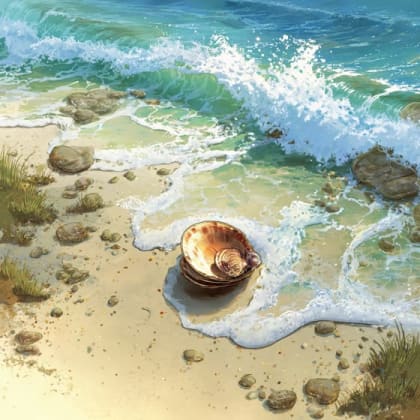
Shelling: Explore the beaches for a rich variety of shells, especially after storms or strong tidal shifts.
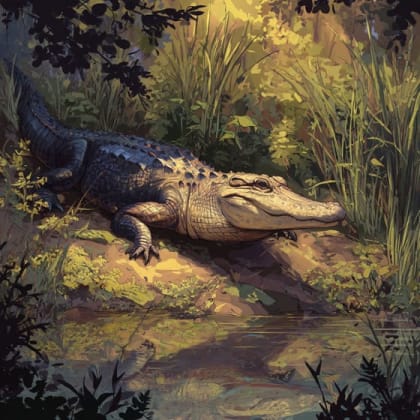
Wildlife Viewing: Look for Osprey, White Ibis, American Alligator, Common Bottlenose Dolphin, and manatees. Sea turtle nesting occurs from May to October.
Birdwatching: The island is part of the Great Florida Birding Trail, a haven for shorebirds like Willet, Ruddy Turnstone, Sanderling, and Black-bellied Plover, as well as Osprey, Bald Eagles, and Frigate Birds.
Hiking and Cycling: Utilize the 6 miles of unpaved trails to explore the island's interior. Bicycle rentals may be available.
Kayaking/Paddling: Explore protected bayside waters and mangrove shorelines.
Swimming and Sunbathing: Enjoy the clear turquoise waters and wide sandy beaches.
Fishing: Surf fishing is popular for species like snook and redfish (a Florida fishing license may be required).
Winter/Spring: Mild temperatures, less rain, ideal for all activities. Peak visitor season.
Summer: Hot, humid, frequent afternoon thunderstorms. Increased insect activity (mosquitoes). Hurricane season from May to November, with higher risk from mid-August to late October. Sea turtle nesting season (May-October).
Fall: Warmer water, fewer visitors than peak season, but still within hurricane season.
Access to Cayo Costa is exclusively by boat or kayak. While ferry services are available from mainland marinas, visitors should be prepared to wade through knee-deep water when boarding and deboarding the boat onto the beach, as docks may still be recovering from hurricane damage. The park has restrooms, some of which are accessible. There are no paved roads on the island, only sandy trails.
Nine miles of undeveloped beaches perfect for shelling and swimming.
Abundant wildlife, including dolphins, manatees, and various bird species.
Scenic hiking and cycling trails through pine forests and mangrove swamps.
Secluded, natural environment for relaxation and photography.
Each card links to a full Explore page with photos, traits, and fun facts.
Start with the big picture, then zoom in to explore individual wildlife observations around this place.
Pack everything you need
There are minimal amenities on the island (no stores for food or water), so bring plenty of water, food, snacks, sunscreen, bug spray, hats, and any personal items.
Check ferry schedules and book in advance: Ferry services have limited capacity and schedules can change, especially due to weather. Confirm your return trip and allow for buffer time.
Prepare for a wet landing
Be aware that some ferry services may require you to wade through knee-deep water when getting on and off the boat, so wear appropriate footwear.
Protect yourself from the sun and insects: Shade is limited on the beaches, so sun protection is crucial. Mosquitoes can be prevalent, especially in warmer months, so bring repellent.
Practice Leave No Trace principles
Cayo Costa is a protected natural environment. Take all trash with you to help preserve its pristine condition.
Respect wildlife and nesting areas
Do not disturb nesting birds or sea turtles, and avoid collecting live shells. Keep pets on a leash if allowed in designated areas.
Dec 30, 2024
Apr 6, 2022
Jan 6, 2022
Jan 4, 2022
Jan 4, 2022

Maryland, US
You might spot White-Tailed Deer and Eastern Gray Squirrel.
View guide →
.jpg)
District of Columbia, US
You might spot Eastern Gray Squirrel, Duck, and House Sparrow.
View guide →

Illinois, US
You might spot American Robin, Canada Goose, and House Sparrow.
View guide →

Virginia, US
You might spot Spotted Lanternfly and Northern Cardinal.
View guide →
Take the discovery with you
Identify the wildlife you spot, learn as you go, and keep a collection of the adventure.