





Augochloropsis metallica
Augochloropsis metallica
The Augochloropsis metallica is a shiny green bee that loves to visit flowers. These friendly insects help plants grow by spreading pollen as they collect nectar.
Habitat: Urban areas
The Augochloropsis metallica is a small, iridescent bee with a striking metallic green or blue-green body. Its smooth, shiny exoskeleton makes it visually distinct from many other bees, often glinting like a jewel in the sunlight.
Category
InsectsRarity
Common
Danger
1/5 · Very low
Snaps
Be the first to snap!
Their amazing green color isn't a pigment, but tiny structures that reflect light like a prism!
These dazzling bees are solitary, meaning each female builds her own nest without a queen!
They often choose old logs or fallen branches for their nurseries, drilling perfect tunnels inside.
Unlike many bees, they don't produce honey, focusing purely on pollen and nectar for their young.
Augochloropsis metallica can vibrate flower parts (sonication) that helps them release stubborn pollen from certain plants.
Augochloropsis metallica can chew into rotting wood to create tunnels that helps them build safe nests for their offspring.
Augochloropsis metallica has a shimmering metallic exoskeleton that helps them blend with foliage to avoid predators.
These bees feast on flower nectar for energy and gather pollen to feed their growing babies.
Rudbeckia hirta
Transfers pollen between flowers
Solidago canadensis
Helps plant reproduce by carrying pollen

Monarda fistulosa
Crucial for this flower's reproduction

Sayornis phoebe
A common bird that preys on flying insects
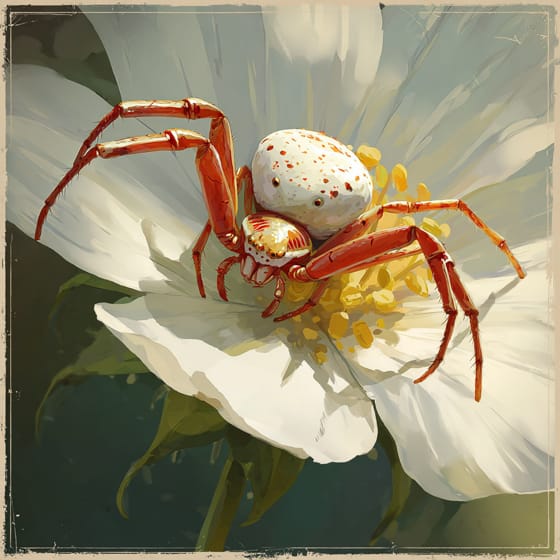
Misumena vatia
Ambush predator on flowers, preys on bees
Solitary animals live alone for most of their lives, only interacting with others for mating or parental care.
Colorful describes organisms or objects displaying a wide range of bright and distinct colors.
This trait characterizes organisms whose diet consists entirely or primarily of plant material.
Describes plants that are particularly attractive and beneficial to a wide range of pollinating organisms.

Diurnal animals are primarily active during daylight hours, typically resting or sleeping at night.

This habitat trait indicates species that can coexist with humans in urban and suburban environments, utilizing man-made structures and green spaces.

Describes organisms that transfer pollen, enabling the fertilization and reproduction of plants.
No aliases listed yet.
Danger
1/5 · Very low
Be gentle and quiet around bees; they are helpful and usually won't sting unless scared.
The easiest way to identify Augochloropsis metallica is to use the Snappit nature identifier app.
8-14 mm
5-9 mm
40-70 days
15 km/h
These bees feast on flower nectar for energy and gather pollen to feed their growing babies.
Urban areas
Foraging
Zoom in to split clusters and explore where this object has been snapped.
Recent snaps will appear here as new observations are added.
Take the discovery with you
Snap it with Snappit to identify it, learn what makes it special, and add the discovery to your collection.







.jpg&width=800)



