





baby's-breath
Gypsophila paniculata
Baby's breath is a delicate flower that looks like tiny white clouds! It often grows in gardens and is used in bouquets to make them look even prettier.
Habitat: Gardens
The baby's-breath has a delicate, airy appearance with countless tiny, cloud-like white or pale pink flowers. Its slender, branching stems create a misty, voluminous shape, making it look like a floral cloud.
Category
PlantsRarity
Common
Danger
1/5 · Very low
Snaps
4
Its sap was once used in soaps and shampoos, like a natural cleaner!
Its scientific name means 'gypsum loving' because it grows in chalky soils!
One baby's-breath plant can produce thousands of tiny, star-shaped flowers!
Sometimes it's called 'million stars' or 'bride's veil' for its cloud-like beauty!
Baby's-breath can thrive in dry, sandy soils thanks to its deep roots that reach underground water to survive.
Baby's-breath has a long blooming period, producing many tiny flowers to attract pollinators over time to reproduce.
Baby's-breath has tiny, lightweight seeds that are easily carried by the wind to spread far and wide.
Apis mellifera
Visits flowers to collect nectar and pollen.

Bombus impatiens
A generalist pollinator attracted to the small flowers.
Pieris rapae
Feeds on nectar, helping to spread pollen.
Flowering plants are any plants that produce flowers as part of their reproductive cycle.
Ornamental plants are cultivated primarily for their aesthetic appeal, enhancing landscapes and gardens with their attractive foliage, flowers, or form.
Cluster flowers are inflorescences where individual flowers are arranged closely together on a common stem.
Summer blooming plants produce their flowers during the summer season, often providing vibrant color when many other plants have finished.

Describes plants that are particularly attractive and beneficial to a wide range of pollinating organisms.

Domesticated refers to species that have been selectively bred and tamed by humans for specific purposes.

This habitat trait indicates species that can coexist with humans in urban and suburban environments, utilizing man-made structures and green spaces.
No aliases listed yet.
Danger
1/5 · Very low
Always ask an adult before picking flowers.
The easiest way to identify baby's-breath is to use the Snappit nature identifier app.
60-120 cm
60-90 cm
0.5-1 cm
Late spring to summer
No
Mild
Perennial
Zoom in to split clusters and explore where this object has been snapped.

Montana, US
You might spot Spotted Knapweed, Great Mullein, and Nodding Onion.
View guide →

Nebraska, US
You might spot Nine-Spotted Lady Beetle and Convergent Lady Beetle.
View guide →
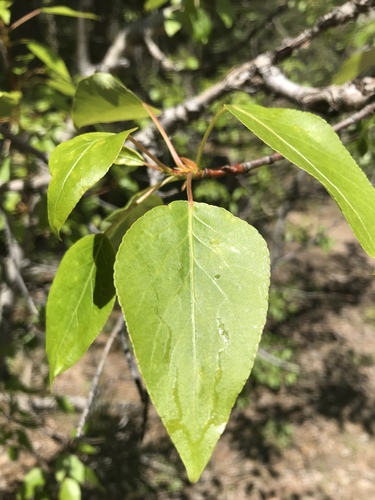
British Columbia, CA
You might spot Black Cottonwood, Oregon Grape, and Showy Milkweed.
View guide →
Take the discovery with you
Snap it with Snappit to identify it, learn what makes it special, and add the discovery to your collection.







.jpg&width=800)



_001.jpg&width=800)




