





Bagworm Moths
Psychidae
Bagworm moths are tiny insects that make cozy bags from leaves and twigs to protect themselves. They are often found hanging from trees and look like little bags swaying in the wind!
Habitat: Forests
The Bagworm Moths is notable for its larvae which construct and carry a camouflaged, spindle-shaped silk bag adorned with bits of leaves, twigs, or bark. Adult males are small, often dull grey or black, with delicate wings and feathery antennae, while females are typically wingless and remain inside their bag.
Category
InsectsRarity
Common
Danger
1/5 · Very low
Snaps
Be the first to snap!
A single female bagworm can lay over a thousand tiny eggs inside her safe bag!
Each species of bagworm moth builds a uniquely shaped and styled bag.
Female bagworm moths never leave their cozy bag, not even to mate!
Some bagworm species even build a little trapdoor on their bag!
Bagworm Moths can construct an elaborate protective silk case, reinforcing it with surrounding plant materials, because it helps them camouflage and avoid predators.
Bagworm Moths has a mobile home, allowing its larva to drag its bag wherever it feeds, because it provides constant protection.
Bagworm Moths has females that remain wingless and permanently inside their silk bag, which helps them lay and protect hundreds of eggs safely.
Bagworm larvae munch on leaves and other plant parts, like a tiny vegetarian.
Age differences: Adult males often do not feed, while adult females typically do not feed either and use energy stored from their larval stage.
%2C_Parc_de_Woluw%C3%A9%2C_Brussels_(13042792905).jpg&width=800)
Parus major
Birds often peck open bags to eat the larva.
Brachymeria intermedia
Wasps lay eggs on or in the bagworm larva.
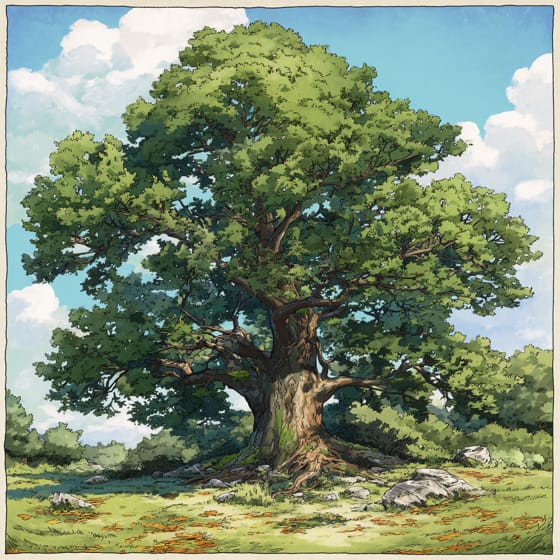
Quercus robur
Larvae consume leaves, sometimes causing defoliation.

Juniperus virginiana
Bagworms frequently feed on its needles and twigs.
Solitary animals live alone for most of their lives, only interacting with others for mating or parental care.
Camouflaged describes organisms that possess coloring or patterns that allow them to blend into their environment.
This trait characterizes organisms whose diet consists entirely or primarily of plant material.
Forest habitats are terrestrial environments dominated by dense tree cover, supporting a high diversity of plant and animal life.

Pertaining to species that are significantly smaller than typical or average for their kind.

Nocturnal animals are primarily active during the nighttime hours, typically resting or sleeping during the day.

Describes organisms that transfer pollen, enabling the fertilization and reproduction of plants.
No aliases listed yet.
Danger
1/5 · Very low
It's best to look at bagworm moths from a distance and not touch them.
The easiest way to identify Bagworm Moths is to use the Snappit nature identifier app.
10-25 mm
10-50 mm
200-450 days
Bagworm larvae munch on leaves and other plant parts, like a tiny vegetarian.
Forests
Foraging
6
Zoom in to split clusters and explore where this object has been snapped.
Recent snaps will appear here as new observations are added.
Take the discovery with you
Snap it with Snappit to identify it, learn what makes it special, and add the discovery to your collection.








.jpg&width=800)



