





Balearica
Balearica
The Balearica, also known as the crowned crane, is a beautiful bird with a striking golden crown of feathers. They are known for their graceful dance and can often be seen in wetlands and grasslands.
Habitat: Wetlands
The Balearica has an elegant grey body with white and reddish-brown wing patches. It's instantly recognizable by its stiff, golden-feathered crown and bright red gular wattles, making it look like royalty.
Category
BirdsRarity
Common
Danger
1/5 · Very low
Snaps
Be the first to snap!
Balearica is the only crane that can roost in trees!
Their unique "dancing" displays can involve bowing and jumping!
They are the national bird of Uganda, symbolizing peace.
Young cranes look like fluffy brown balls with no crown yet.
Balearica uses its stiff, golden crest feathers for spectacular courtship dances and communication, helping it attract a mate.
Balearica can perch in trees thanks to a long hind toe, which helps it roost safely away from ground predators at night.
Balearica can produce a powerful, booming call by inflating a red throat sac, helping it communicate across long distances.
Balearica are omnivores, munching on everything from bugs and seeds to small fish!
Age differences: Young chicks initially rely more heavily on protein-rich insects for growth.
Aquila rapax
preys on crane eggs and vulnerable chicks
Crocodylus niloticus
targets eggs, chicks, or adults near water
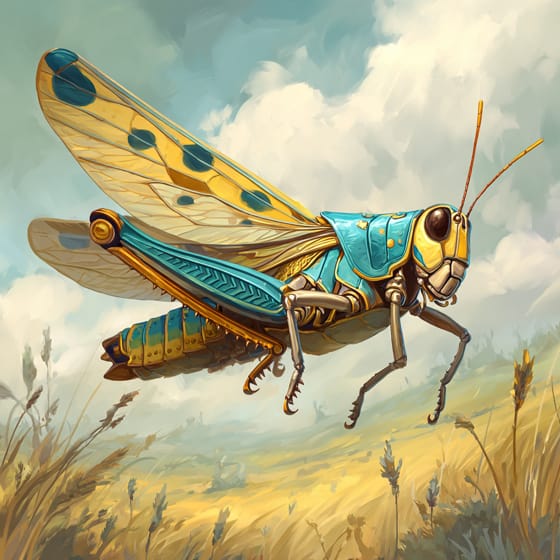
Locusta migratoria
a significant food source during outbreaks
Zea mays
often feeds on cultivated crops in agricultural areas
Feathered describes animals, primarily birds, possessing a covering of feathers.
Social animals live in organized groups, cooperating for survival benefits such as foraging, defense, and raising offspring.
This trait identifies organisms whose diet includes both plant and animal matter.
Singing animals produce complex vocalizations, often for purposes of attracting mates, defending territory, or communicating within their species.

Colorful describes organisms or objects displaying a wide range of bright and distinct colors.

Grassland habitats are terrestrial biomes dominated by grasses and herbaceous plants, supporting a variety of grazing animals.

This habitat trait identifies species found in wetlands, which are areas of land saturated with water, either permanently or seasonally, including marshes, swamps, and bogs.

Diurnal animals are primarily active during daylight hours, typically resting or sleeping at night.

Migratory animals undertake seasonal movements from one region to another, typically in response to changes in climate or food availability.

Endangered status indicates a species is at a very high risk of extinction in the wild in the near future.
Danger
1/5 · Very low
Always watch birds from a distance and do not try to touch them.
The easiest way to identify Balearica is to use the Snappit nature identifier app.
90-105 cm
180-200 cm
3-4.5 kg
15-25 years
65 km/h
Balearica are omnivores, munching on everything from bugs and seeds to small fish!
Wetlands
Zoom in to split clusters and explore where this object has been snapped.
Recent snaps will appear here as new observations are added.
Take the discovery with you
Snap it with Snappit to identify it, learn what makes it special, and add the discovery to your collection.




.jpg&width=800)







