





Banana Slug

The UC Santa Cruz Arboretum & Botanic Garden is a living museum of global plant diversity.
The UC Santa Cruz Arboretum & Botanic Garden is a living museum of global plant diversity. It showcases rare and remarkable plants from Mediterranean climates worldwide across its sprawling 135 acres. More than just a collection, it's a vibrant center for conservation, research, and education, inspiring visitors with the beauty and resilience of plant life.
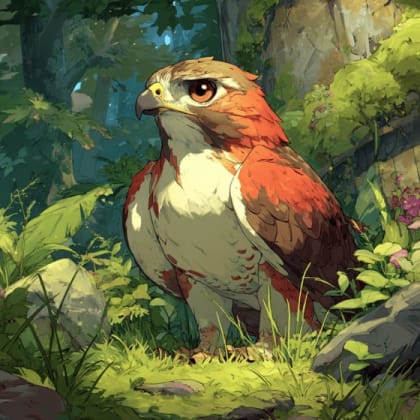
Wander through distinct geographical regions, from the stunning Australian Garden, home to the largest collection of Australian plants outside their native continent, featuring diverse eucalyptus, banksias, and grevilleas, to the exotic South African Garden, boasting an impressive display of proteas, leucadendrons, and one of the world's most extensive collections of Erica species. The New Zealand Garden offers a glimpse into its unique flora, including a young kauri forest and New Zealand flax, while the California Native Plant Garden celebrates local species like towering Ponderosa pines and delicate California poppies. Don't miss the fascinating Succulent Garden, renowned for its Dudleya collection, or the World Conifers and Primitive Flowering Plants sections, showcasing "living fossils" that offer insights into plant evolution. The Arboretum is also a fantastic spot for birdwatching, with hummingbirds, hawks, and California quail frequently sighted among the diverse flora.
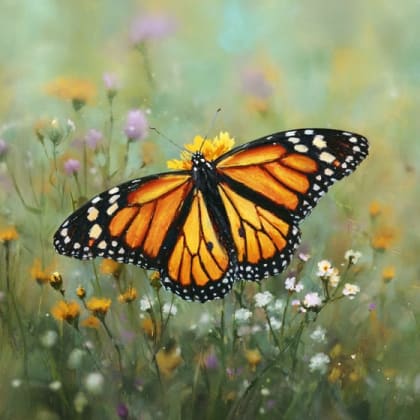
Visiting the Arboretum offers a peaceful escape and a unique educational experience, connecting visitors with global ecosystems and conservation efforts. Beyond the meticulously curated gardens and scenic walking paths, you can enjoy sweeping views of Monterey Bay. Before you leave, be sure to stop by Norrie's Gift & Garden Shop to find unique plants propagated on-site, books, and gifts that let you take a piece of the Arboretum's botanical magic home. Wondering what that bird or insect is? Find out on your visit using the Snappit nature app.
The Arboretum & Botanic Garden officially began in 1964, coinciding with the establishment of the UC Santa Cruz campus. It started modestly with a gift of approximately 90 species of eucalyptus. Situated on land that was once part of pioneer Henry Cowell's vast holdings, the site was recognized for its exceptional horticultural potential due to its diverse climate, topography, and soil types, allowing for the growth of a wide range of species. Under the guidance of founding Chancellor Dean E. McHenry and the dedication of Dr. Ray Collett, the Arboretum's founding director, the collections rapidly expanded, with a particular focus on plants from the Southern Hemisphere. The Arboretum broke new ground in propagating challenging species like South African proteas and many Australian plants, which were cultivated for the first time in America. Over six decades, growing to 115-135 acres, the Arboretum has evolved into a globally recognized institution, playing a crucial role in plant conservation and research. In 2024, the Arboretum celebrated its 60th anniversary.
Explore the diverse plant collections along scenic trails, indulge in birdwatching (look for hummingbirds, California quail, scrub jays, and various other species), capture breathtaking photos of unique flora and panoramic views, enjoy a picnic in designated areas, browse Norrie's Gift & Garden Shop, and consider a self-guided or a docent-led tour (offered on the First Saturday of each month at 11 am for a deeper dive into the collections).
Winter/Early Spring: Peak bloom for many Proteaceae family members (Proteas, Leucospermums, Leucadendrons) and Australian plants like Grevilleas and Banksias. Excellent for hummingbird activity.
Spring/Early Summer: Other hummingbird species, such as Allen's Hummingbirds, are present.
Late Summer/Fall: Many drought-tolerant plants and California fuchsia are in bloom. Generally mild weather.
Many pathways and trails throughout the gardens are accessible for wheelchairs, strollers, and walkers, though the terrain can vary. The New Zealand, South African, and California Natives Gardens are noted for offering good accessibility. Accessible parking is available near the Meeting Hall and Gift Shop, and accessible restrooms are on-site.
The Australian Garden, South African Garden, New Zealand Garden, California Native Plant Garden, Succulent Garden, World Conifers Collection, and the Primitive Flowering Plants exhibit.
Each card links to a full Explore page with photos, traits, and fun facts.
Start with the big picture, then zoom in to explore individual wildlife observations around this place.
Wear comfortable footwear
Paths can be uneven and vary from paved to dirt, so comfortable walking shoes are highly recommended.
Bring sun protection and water
The Arboretum can get sunny, especially in open areas, so bring sunscreen, a hat, and plenty of water.
Download a map
Before or upon arrival, download a map of the Arboretum from their website to help navigate the extensive grounds and locate specific gardens.
Visit Norrie's Gift & Garden Shop
This shop offers a unique selection of plants, many propagated from the Arboretum's own collections, along with books and garden-themed gifts.
Check the bloom calendar
If you have a particular plant or bloom in mind, check the Arboretum's bloom calendar online to optimize your visit for seasonal highlights.
Consider a guided tour
For a deeper understanding of the collections and the Arboretum's mission, join a docent-led tour, which takes place on the first Saturday of every month at 11 am.
Jun 6, 2026
Jun 6, 2026
Jun 6, 2026
Jun 6, 2026
Jun 6, 2026

Maryland, US
You might spot White-Tailed Deer and Eastern Gray Squirrel.
View guide →
.jpg)
District of Columbia, US
You might spot Eastern Gray Squirrel, Duck, and House Sparrow.
View guide →

Illinois, US
You might spot American Robin, Canada Goose, and House Sparrow.
View guide →

Virginia, US
You might spot Spotted Lanternfly and Northern Cardinal.
View guide →
Take the discovery with you
Identify the wildlife you spot, learn as you go, and keep a collection of the adventure.






















.jpg&width=800)






