





Banded Sexton Beetle
nicrophorus investigator
The Banded Sexton Beetle is a cool insect that helps clean up nature by eating dead animals! It has bright orange and black stripes that make it easy to spot in the grass.
Habitat: They live in forests, fields, and gardens, often where there are lots of dead plants or animals.
The Banded Sexton Beetle is a striking insect, featuring a shiny black body adorned with two bold, wavy orange or reddish-orange bands across its wing covers. Its antennae have distinct club-shaped ends. This vivid banding makes it easily distinguishable from other dark beetles.
Category
InsectsRarity
Common
Danger
0/5 · No known danger
Snaps
Be the first to snap!
Banded Sexton Beetles can make squeaking sounds by rubbing body parts together to communicate.
The female lays eggs right next to the buried food, so babies have an instant meal!
These beetles help clean up nature by recycling dead animals into new soil nutrients!
They sometimes fight off other insects to protect their buried food treasure from rivals.
Banded Sexton Beetles have an incredible sense of smell that helps them locate dead animals from far away.
Banded Sexton Beetles can quickly bury carcasses many times their own size because they have strong digging legs.
Banded Sexton Beetles exhibit rare parental care, feeding and protecting their larvae because it helps their young survive.
Banded Sexton Beetles often work in pairs to bury food, making the process faster and more efficient.
These beetles are nature's recyclers, feasting on dead animals and helping clean up the environment.
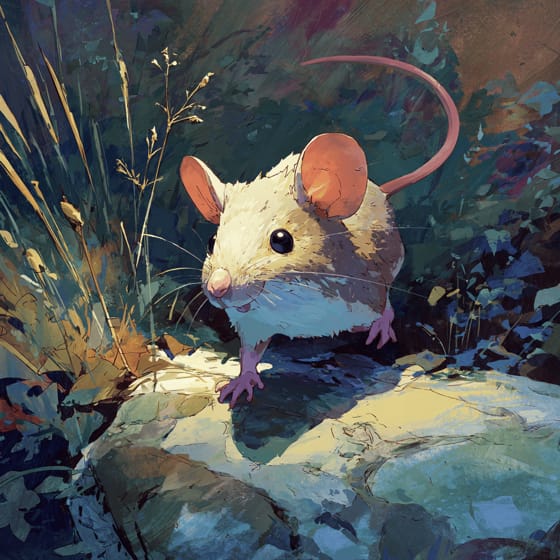
Mus musculus
Feeds on their dead bodies, helping decompose them.
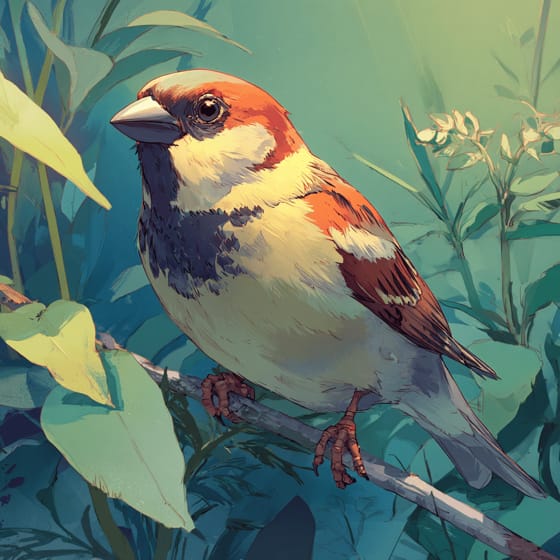
Passer domesticus
Recycles nutrients from dead sparrows back into the ecosystem.
Poecilochirus carabi
Mites hitch rides and eat fly eggs, reducing competition for beetle larvae.
Mephitis mephitis
Skunks may dig up and consume adult beetles or their larvae.
Solitary animals live alone for most of their lives, only interacting with others for mating or parental care.
Colorful describes organisms or objects displaying a wide range of bright and distinct colors.
Describes organisms that break down dead organic material, recycling nutrients back into the ecosystem.
This trait identifies organisms whose diet consists entirely or primarily of animal tissue.

Nocturnal animals are primarily active during the nighttime hours, typically resting or sleeping during the day.
Danger
0/5 · No known danger
No special safety notes yet.
The easiest way to identify Banded Sexton Beetle is to use the Snappit nature identifier app.
25-50 mm
12-25 mm
45-90 days
10 km/h
These beetles are nature's recyclers, feasting on dead animals and helping clean up the environment.
They live in forests, fields, and gardens, often where there are lots of dead plants or animals.
Scavenging
Zoom in to split clusters and explore where this object has been snapped.
Recent snaps will appear here as new observations are added.
Take the discovery with you
Snap it with Snappit to identify it, learn what makes it special, and add the discovery to your collection.









.jpg&width=800)



