





Barbary Partridge
Alectoris barbara
The Barbary Partridge is a colorful bird with a plump body and a short tail. They love to run and can be found in groups, making them fun to watch as they scurry around.
Habitat: Grasslands
The Barbary Partridge has a striking appearance with a grey-brown back, bold white and chestnut stripes on its flanks, and a distinctive broad chestnut collar on its white throat. Its face features a chestnut band extending from the bill over the eye, and it sports bright red legs and bill.
Category
BirdsRarity
Common
Danger
1/5 · Very low
Snaps
Be the first to snap!
A group of partridges is amazingly called a 'covey' – like a secret club!
Female Barbary Partridges can lay up to 16 eggs, needing a very big nest!
These partridges prefer to run incredibly fast up hills rather than fly away from danger!
They use dust baths to keep their feathers clean, just like taking a dry shower!
Barbary Partridge can outrun many dangers because its strong legs allow for rapid sprints across rocky, uneven terrain.
Barbary Partridge has speckled brown and grey feathers that help them blend perfectly into their rocky scrubland habitat.
Barbary Partridge can make a distinctive, rapid 'chuck-chuck-chuck' call that helps them communicate and warn others.
Barbary Partridges enjoy a varied diet of seeds, greens, and tasty insects, foraging on the ground.
Age differences: Young partridges eat more protein-rich insects for growth, shifting to more plant matter as adults.
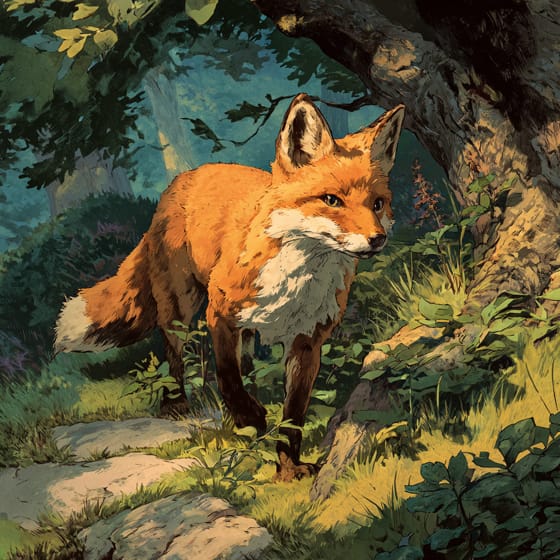
Vulpes vulpes
Red foxes are common predators of Barbary Partridge eggs and adults.
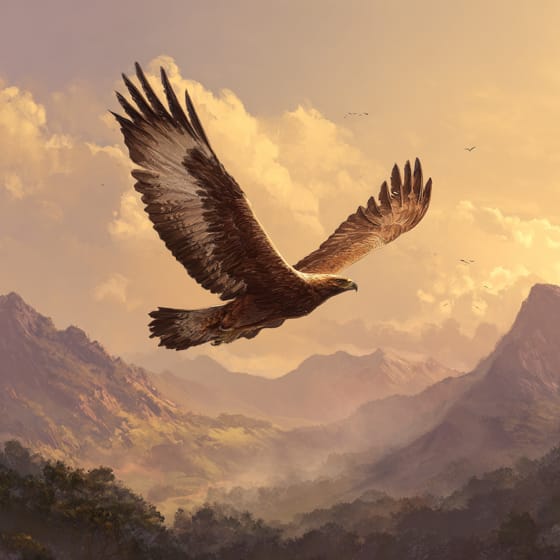
Aquila chrysaetos
Powerful Golden Eagles sometimes prey on Barbary Partridges from above.
Pistacia lentiscus
The partridge consumes seeds and berries from this Mediterranean shrub.
Olea europaea
Barbary Partridges feed on the fruits and seeds of wild olive trees.
Feathered describes animals, primarily birds, possessing a covering of feathers.
Social animals live in organized groups, cooperating for survival benefits such as foraging, defense, and raising offspring.
This trait identifies organisms whose diet includes both plant and animal matter.
Colorful describes organisms or objects displaying a wide range of bright and distinct colors.

Grassland habitats are terrestrial biomes dominated by grasses and herbaceous plants, supporting a variety of grazing animals.

This trait characterizes organisms whose diet consists entirely or primarily of plant material.

Diurnal animals are primarily active during daylight hours, typically resting or sleeping at night.

This trait identifies organisms that exhibit exceptional swiftness in movement for hunting, escape, or travel.
No aliases listed yet.
Danger
1/5 · Very low
Always watch birds from a distance and don't try to catch them.
The easiest way to identify Barbary Partridge is to use the Snappit nature identifier app.
30-35 cm
45-55 cm
0.4-0.6 kg
3-5 years
60 km/h
Barbary Partridges enjoy a varied diet of seeds, greens, and tasty insects, foraging on the ground.
Grasslands
Zoom in to split clusters and explore where this object has been snapped.
Recent snaps will appear here as new observations are added.
Take the discovery with you
Snap it with Snappit to identify it, learn what makes it special, and add the discovery to your collection.




.jpg&width=800)







