





Beautiful Fruit Dove
Ptilinopus pulchellus
The Beautiful Fruit Dove is a colorful bird with bright green and yellow feathers. It loves to eat fruits and can be found in the trees of tropical forests, where it sings sweet songs.
Habitat: Tropical forests
The Beautiful Fruit Dove is a small, vibrant bird with a striking purple cap, emerald green body, and a bright yellow-orange belly. Its vivid plumage allows it to stand out, yet also camouflage among tropical fruits and leaves.
Category
BirdsRarity
Common
Danger
1/5 · Very low
Snaps
Be the first to snap!
It gets all its water from juicy fruits, rarely needing to drink from puddles!
Its nest is super flimsy, often just a few twigs loosely put together.
The scientific name "Ptilinopus" means "soft-foot," describing its delicate feet.
Unlike many doves, it lays only one egg at a time!
Beautiful Fruit Dove has incredibly vibrant feathers that help them blend perfectly among colourful fruits and foliage in their rainforest home.
Beautiful Fruit Dove can eat whole fruits and then disperse their seeds far away, helping new trees grow across the forest.
Beautiful Fruit Dove can hang upside down from branches to reach ripe fruits, thanks to its strong, agile feet.
Feasts on juicy fruits, helping forests grow by spreading seeds far and wide!
Ficus racemosa
Consumes its sweet fruits, aiding in seed dispersal.
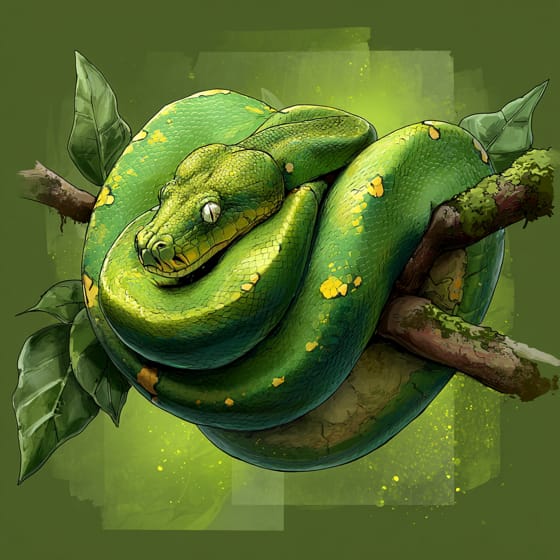
Morelia viridis
Juvenile doves can be prey for this tree-dwelling snake.
Accipiter novaehollandiae
A swift raptor that preys on various forest birds.
Feathered describes animals, primarily birds, possessing a covering of feathers.
Social animals live in organized groups, cooperating for survival benefits such as foraging, defense, and raising offspring.
Singing animals produce complex vocalizations, often for purposes of attracting mates, defending territory, or communicating within their species.
Arboreal animals live primarily in trees, utilizing them for shelter, food, and protection from predators.

Colorful describes organisms or objects displaying a wide range of bright and distinct colors.

This trait characterizes organisms whose diet consists entirely or primarily of plant material.

Forest habitats are terrestrial environments dominated by dense tree cover, supporting a high diversity of plant and animal life.
This habitat trait refers to species found in tropical rainforests, characterized by high annual rainfall, high biodiversity, and dense tree cover.

Diurnal animals are primarily active during daylight hours, typically resting or sleeping at night.

Describes organisms that transfer pollen, enabling the fertilization and reproduction of plants.

Endangered status indicates a species is at a very high risk of extinction in the wild in the near future.
No aliases listed yet.
Danger
1/5 · Very low
Always watch birds from a distance and do not try to touch them.
The easiest way to identify Beautiful Fruit Dove is to use the Snappit nature identifier app.
18-20 cm
35-38 cm
0.075-0.085 kg
8-10 years
55 km/h
Feasts on juicy fruits, helping forests grow by spreading seeds far and wide!
Tropical forests
Zoom in to split clusters and explore where this object has been snapped.
Recent snaps will appear here as new observations are added.
Take the discovery with you
Snap it with Snappit to identify it, learn what makes it special, and add the discovery to your collection.




.jpg&width=800)






