





Bent-flower Milkvetch
Astragalus vexilliflexus
The Bent-flower Milkvetch is a special flower that has unique bent petals. It grows in the wild and adds beauty to its surroundings with its lovely colors.
Habitat: Grasslands
The Bent-flower Milkvetch is a low-growing plant with distinct small, purplish-pink flowers where the top petal sharply bends backward. Its leaves are feather-like, composed of many tiny leaflets, creating a delicate appearance. It often forms a sprawling mat.
Category
PlantsRarity
Common
Danger
1/5 · Very low
Snaps
Be the first to snap!
It's a tiny member of the pea family, but you won't find yummy peas here!
Its ancient name, "Astragalus," might refer to its seed pods looking like ankle bones!
Some relatives of this plant can help sheep grow stronger wool!
This plant's "bent flower" shape is like a secret sign for certain bugs!
Bent-flower Milkvetch can enrich soil by capturing nitrogen from the air, helping other plants grow.
This plant has deep roots that let it survive in dry, sunny places where water is scarce.
Its seeds can wait hidden in the soil for many years until the perfect time to sprout.
Bent-flower Milkvetch's uniquely bent petal provides a perfect landing spot for helpful insects.
Bombus bifarius
Gathers nectar and pollen from flowers.
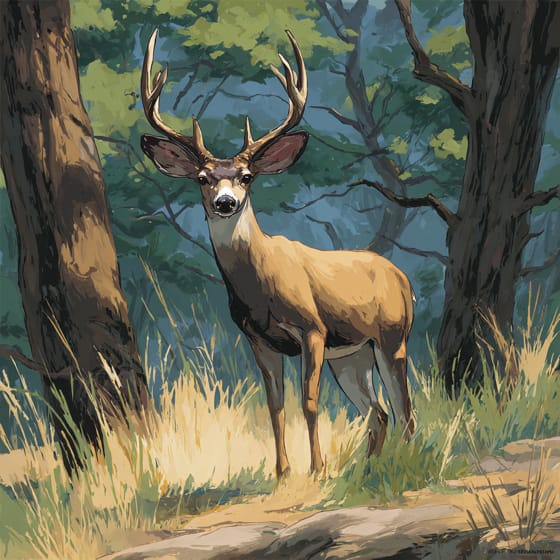
Odocoileus hemionus
Browses on its leaves and stems.
Rhizobium leguminosarum
Lives in roots, fixing nitrogen for the plant.
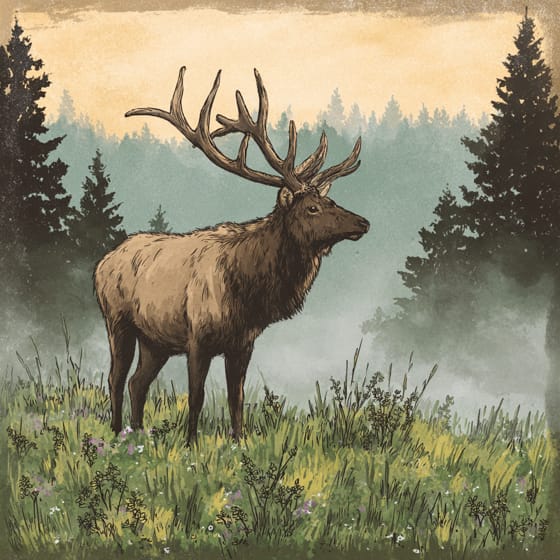
Cervus canadensis
Grazes on the plant in its habitat.
Flowering plants are any plants that produce flowers as part of their reproductive cycle.
Describes organisms capable of converting atmospheric nitrogen into compounds usable by plants.
Fragrant flowers emit a pleasant aroma, often to attract pollinators or for defense.
Drought-tolerant plants can survive and flourish in conditions with limited water availability.

Colorful describes organisms or objects displaying a wide range of bright and distinct colors.

Grassland habitats are terrestrial biomes dominated by grasses and herbaceous plants, supporting a variety of grazing animals.

Describes plants that are particularly attractive and beneficial to a wide range of pollinating organisms.

Describes a species whose presence and role have a disproportionately large effect on its environment.

Endangered status indicates a species is at a very high risk of extinction in the wild in the near future.
No aliases listed yet.
Danger
1/5 · Very low
Always look but don't touch flowers, as some can be delicate.
The easiest way to identify Bent-flower Milkvetch is to use the Snappit nature identifier app.
5-30 cm
10-40 cm
1-2 cm
Spring, Summer
No
None
Perennial
Zoom in to split clusters and explore where this object has been snapped.
Recent snaps will appear here as new observations are added.
Take the discovery with you
Snap it with Snappit to identify it, learn what makes it special, and add the discovery to your collection.








.jpg&width=800)


_001.jpg&width=800)




