





Catherine's moss
Atrichum undulatum
Catherine's moss is a soft, green plant that loves to grow in shady places. It makes the ground look fluffy and is often found in forests and gardens.
Habitat: Forests
The Catherine's moss is a vibrant green plant that forms lush, wavy carpets. Its slender, upright stems are covered in numerous frilly, tooth-edged leaves that give it a distinctive wavy appearance, making it easily distinguishable from smoother mosses.
Category
PlantsRarity
Common
Danger
1/5 · Very low
Snaps
1
Catherine's moss is one of the oldest types of plants, with ancestors dating back millions of years!
It doesn't have true roots, instead using tiny threads called rhizoids to anchor itself to surfaces.
Its leafy stems often twist and curl when dry, only to unfurl beautifully when water returns.
Mosses like this act like miniature forests, creating unique habitats for microscopic animals.
Catherine's moss can absorb and hold a lot of water, which helps it stay moist in dry spells and provides a damp home for tiny creatures.
Catherine's moss reproduces by releasing tiny spores from special capsules, allowing it to spread and colonize new damp areas.
Catherine's moss grows in dense mats that help prevent soil erosion, protecting the ground from wind and rain.

Arion ater
Slugs occasionally graze on its soft leaves.
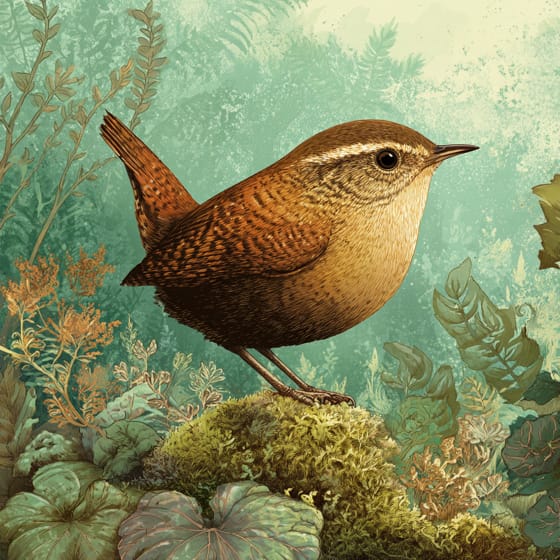
Troglodytes troglodytes
Wrens use moss to line their nests for insulation.
Hypsibius dujardini
Microscopic water bears live within its moist cushions.
This trait characterizes plants lacking specialized vascular tissues (xylem and phloem) for transporting water and nutrients.
Shade tolerant plants are adapted to grow and thrive in areas with low light levels, requiring less direct sunlight.
Spore-producing organisms reproduce by releasing small, often single-celled, reproductive units called spores.
Describes organisms that break down dead organic material, recycling nutrients back into the ecosystem.

Forest habitats are terrestrial environments dominated by dense tree cover, supporting a high diversity of plant and animal life.
No aliases listed yet.
Danger
1/5 · Very low
It's safe to touch, but be gentle and don't pull it out.
The easiest way to identify Catherine's moss is to use the Snappit nature identifier app.
2-10 cm
5-30 cm
No
None
Perennial
Forests
Zoom in to split clusters and explore where this object has been snapped.
Take the discovery with you
Snap it with Snappit to identify it, learn what makes it special, and add the discovery to your collection.









.jpg&width=800)



_001.jpg&width=800)



