





Bicoloured Shrew
Crocidura leucodon
The Bicoloured Shrew is a small, furry creature with a unique two-tone coat. It loves to scurry around in the grass, searching for tasty insects and worms to eat.
Habitat: Grasslands
The Bicoloured Shrew has distinctly two-toned fur, with grayish-brown on its back and sides, contrasting sharply with its pure white belly. It has a pointed snout, tiny eyes, and relatively large ears, giving it a mouse-like appearance but with a longer nose.
Category
MammalsRarity
Common
Danger
1/5 · Very low
Snaps
Be the first to snap!
Bicoloured Shrews can make high-pitched chirping sounds, like birds!
Its tiny heart beats over 800 times every single minute!
Their tiny teeth wear out quickly from constant, speedy eating.
These shrews spend most of their life tirelessly searching for food.
Bicoloured Shrews have a super-fast heart rate and metabolism, making them eat nearly their own weight daily to stay alive.
Baby Bicoloured Shrews link up in a 'caravan' by biting tails, which helps them follow their mother safely.
Bicoloured Shrews use their incredible sense of smell and sensitive whiskers to find hidden insects underground.
These little hunters munch on bugs, worms, and snails to keep their speedy bodies fueled!
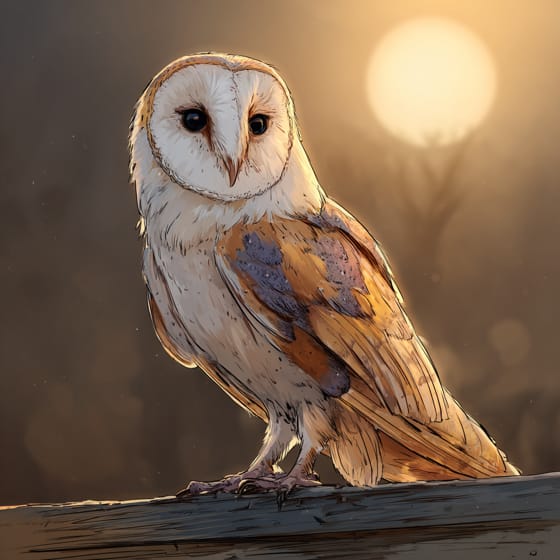
Tyto alba
A common nocturnal predator in its habitat.
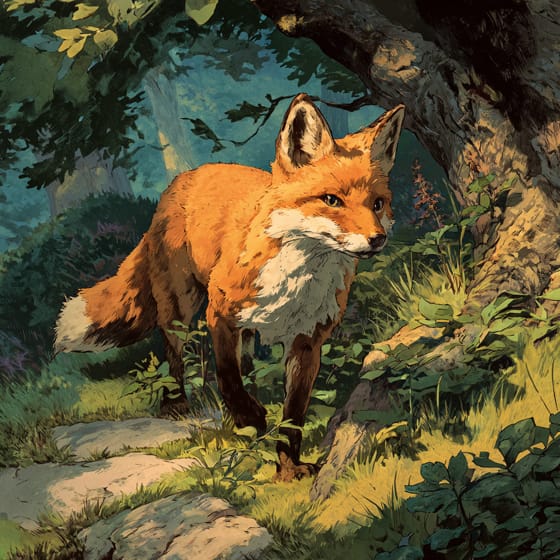
Vulpes vulpes
An opportunistic predator of small mammals.
Mustela nivalis
A small, agile predator of shrews.
Lumbricus terrestris
A primary food source found in soil.
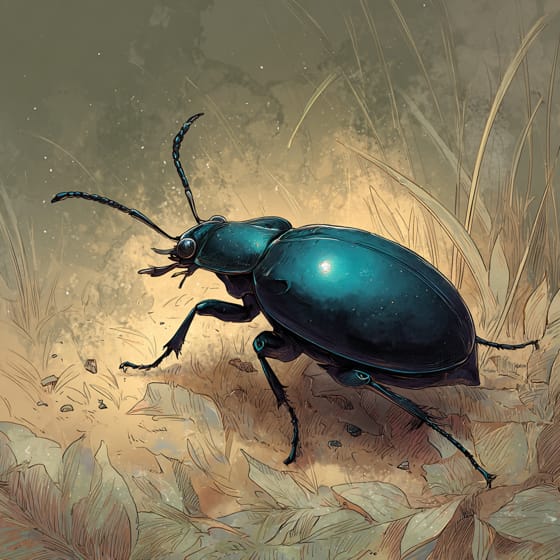
Carabus nemoralis
Preys on various ground-dwelling insects.
Furry describes animals possessing a dense covering of soft hair or fur.
Solitary animals live alone for most of their lives, only interacting with others for mating or parental care.
Grassland habitats are terrestrial biomes dominated by grasses and herbaceous plants, supporting a variety of grazing animals.
This trait identifies organisms whose diet primarily consists of insects and other small invertebrates.

This trait identifies organisms that exhibit exceptional swiftness in movement for hunting, escape, or travel.

Nocturnal animals are primarily active during the nighttime hours, typically resting or sleeping during the day.
No aliases listed yet.
Danger
1/5 · Very low
If you see a shrew, watch it from a distance and don't try to touch it.
The easiest way to identify Bicoloured Shrew is to use the Snappit nature identifier app.
8-13 cm
0.005-0.013 kg
1-2 years
12 km/h
These little hunters munch on bugs, worms, and snails to keep their speedy bodies fueled!
Grasslands
Foraging
Zoom in to split clusters and explore where this object has been snapped.
Recent snaps will appear here as new observations are added.
Take the discovery with you
Snap it with Snappit to identify it, learn what makes it special, and add the discovery to your collection.




.jpg&width=800)



.JPG&width=800)


.jpg&width=800)
