California Ground Squirrel
Otospermophilus beecheyi
California Ground Squirrels are playful little animals that love to dig and explore. They have fluffy tails and are often seen in parks and grassy areas, where they enjoy the sunshine and munch on seeds.
Habitat: Grasslands
The California Ground Squirrel has mottled grey-brown fur with light speckles on its back, blending into a lighter belly. A distinctive pale gray ring often encircles its eyes, and its sides and shoulders can show a reddish-brown tint. It has a relatively bushy, medium-length tail.
Category
MammalsRarity
Common
Danger
1/5 · Very low
Snaps
38
California Ground Squirrels communicate using at least six different alarm calls, each meaning something specific!
They estivate, a deep sleep during hot summer months, to conserve energy.
They plug burrow entrances with soil to keep out predators and stay safe.
They rub shed snake skin on themselves to mask their scent from lurking predators.
California Ground Squirrels can neutralize rattlesnake venom because they have special proteins in their blood, helping them survive bites.
California Ground Squirrels can wave their bushy tails and heat them up to create a 'hot' signal that helps confuse and deter rattlesnakes.
California Ground Squirrels can excavate complex burrow systems that provide shelter from predators and extreme weather.
Mainly eats plants, seeds, and insects, helping to spread seeds and control insect populations.
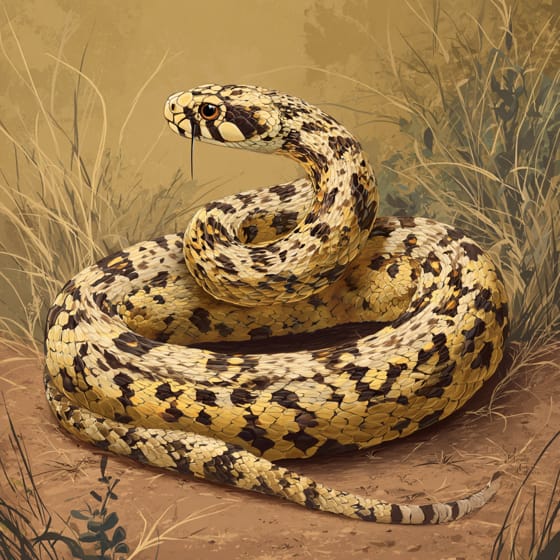
Pituophis catenifer
Young squirrels are prey for gopher snakes.
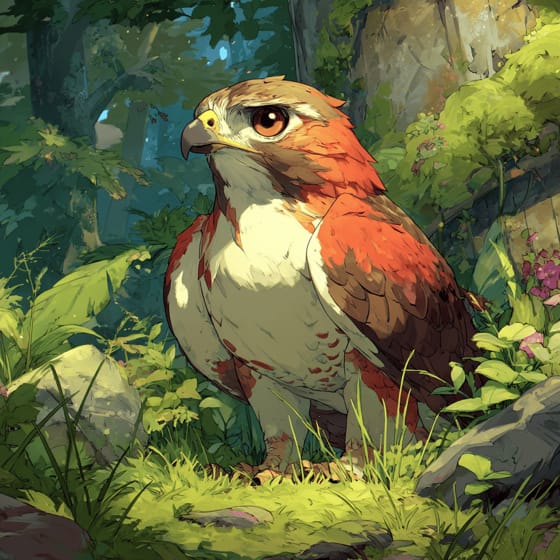
Buteo jamaicensis
Hawks hunt adult and young ground squirrels.
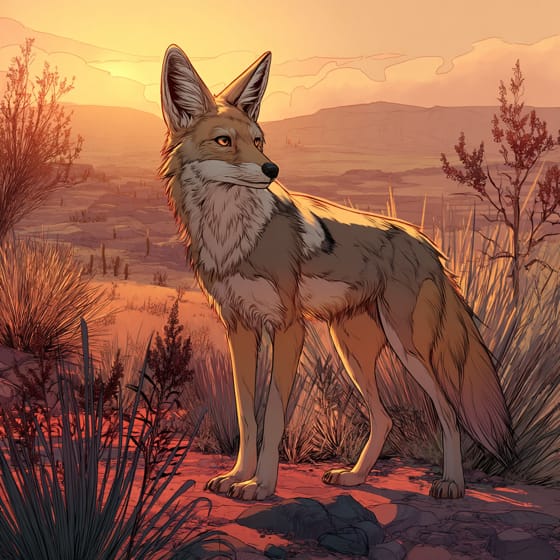
Canis latrans
Coyotes are common predators of ground squirrels.
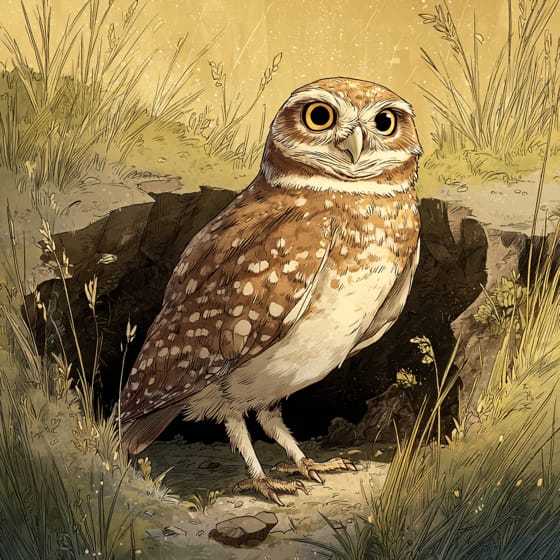
Athene cunicularia
Owls use abandoned ground squirrel burrows for nesting.

Quercus agrifolia
Squirrels consume and cache the acorns of oaks.
Furry describes animals possessing a dense covering of soft hair or fur.
Social animals live in organized groups, cooperating for survival benefits such as foraging, defense, and raising offspring.
Burrowing animals dig tunnels and chambers in the ground, using these subterranean structures for shelter, hunting, or breeding.
Grassland habitats are terrestrial biomes dominated by grasses and herbaceous plants, supporting a variety of grazing animals.

This trait characterizes organisms whose diet consists entirely or primarily of plant material.

Diurnal animals are primarily active during daylight hours, typically resting or sleeping at night.

This trait identifies organisms that exhibit exceptional swiftness in movement for hunting, escape, or travel.
Danger
1/5 · Very low
Watch from a distance and don't try to touch or feed them, as they are wild animals.
The easiest way to identify California Ground Squirrel is to use the Snappit nature identifier app.
33-44 cm
0.3-0.9 kg
2-6 years
25 km/h
Mainly eats plants, seeds, and insects, helping to spread seeds and control insect populations.
Grasslands
Foraging
Zoom in to split clusters and explore where this object has been snapped.

California, US
You might spot Monarch, Canada Goose, and Western Gull.
View guide →

California, US
You might spot Largemouth Bass and Birdcage Evening Primrose.
View guide →
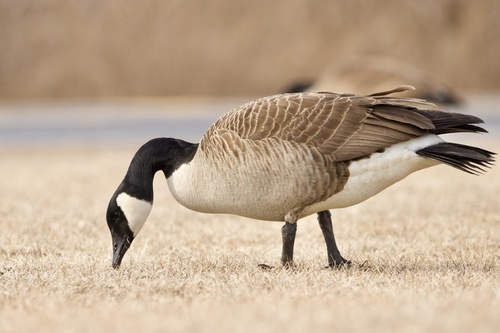
Nevada, US
You might spot Canada Goose, Antelope Bitterbrush, and Steller's Jay.
View guide →

California, US
You might spot Snowy Egret, Great Blue Heron, and Western Gull.
View guide →

California, US
You might spot Orca, Bottlenose Dolphin, and Beluga Whale.
View guide →
California, US
You might spot Orca, Bottlenose Dolphin, and Sea Lion.
View guide →
Take the discovery with you
Snap it with Snappit to identify it, learn what makes it special, and add the discovery to your collection.




.jpg&width=800)


.JPG&width=800)
.jpg&width=800)