.jpg&width=800)





Eastern Chipmunk
Tamias striatus
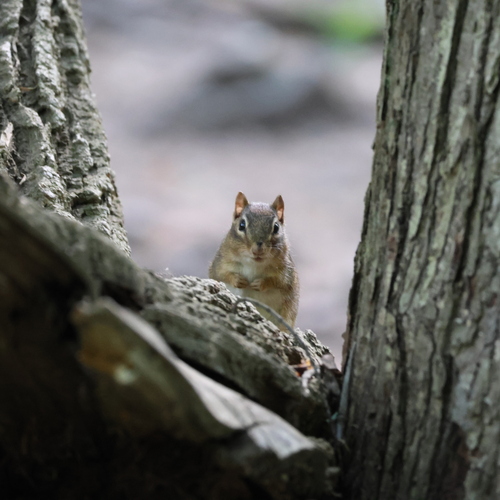
The Eastern Chipmunk is a small, striped animal that loves to scurry around looking for food. They have big cheeks to store their snacks and are often seen in gardens and parks.
Habitat: Forests
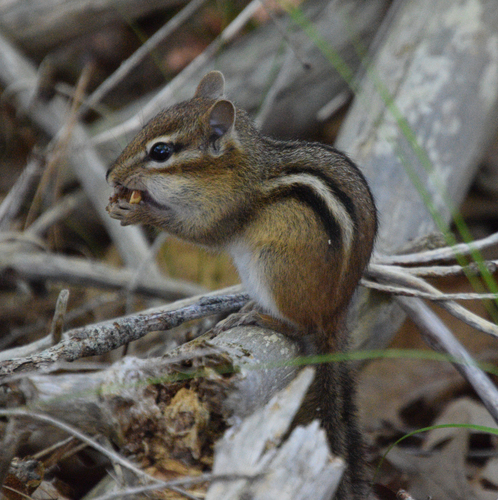
The Eastern Chipmunk is a small, striped rodent with reddish-brown fur, a pale belly, and distinctive dark and light stripes running down its back. It has two white stripes and a dark stripe on each side of its face. Its bushy tail is shorter than its body.
Category
MammalsRarity
Common
Danger
1/5 · Very low
Snaps
245
A chipmunk's heart can beat over 350 times a minute when it's excited or scared!
Baby chipmunks are born blind and hairless, completely dependent on their mother for weeks!
Chipmunks collect hundreds of nuts each year for winter, but often forget where they buried them!
They build separate 'bathroom' tunnels in their burrows to keep their living areas clean!
Eastern Chipmunks have expandable cheek pouches that help them carry large amounts of food back to their burrows to store.
Eastern Chipmunks can dig intricate underground burrows with multiple tunnels and chambers to store food and sleep safely.
Eastern Chipmunks can enter a state of torpor (light hibernation) in winter, waking frequently to snack on stored food.
A tiny omnivore, they feast on seeds, nuts, fruits, and insects, storing food for later.
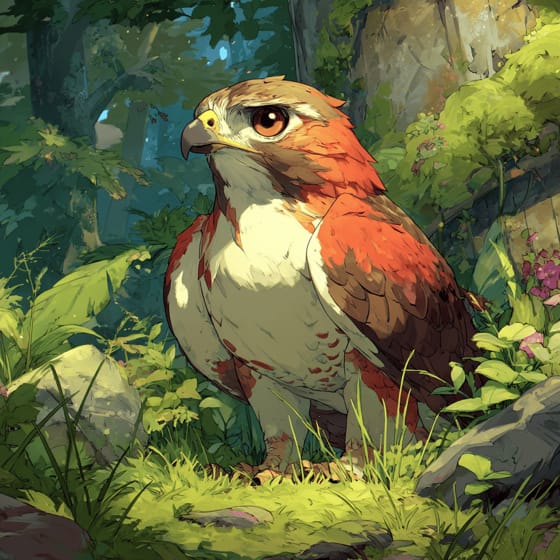
Buteo jamaicensis
A common aerial predator in their habitat.
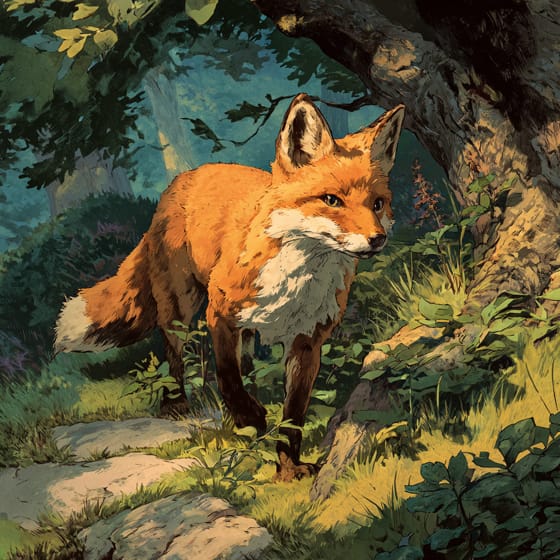
Vulpes vulpes
A swift ground predator hunting them in forests.
Quercus rubra
Relies on acorns from oak trees for a major food source.
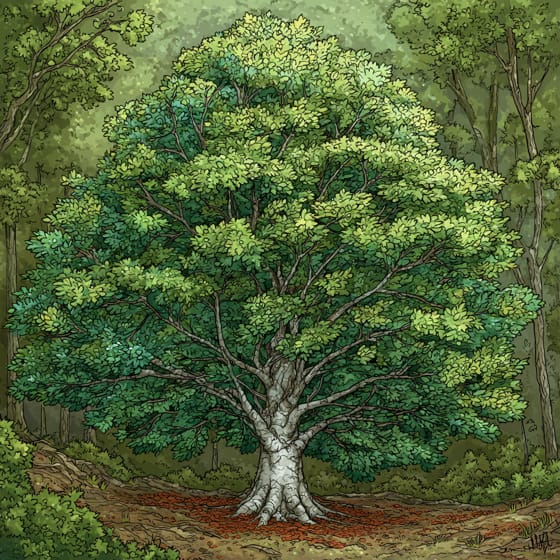
Fagus grandifolia
Feeds on the nutritious nuts produced by beech trees.
Furry describes animals possessing a dense covering of soft hair or fur.
Marked with parallel bands or lines of color.
Social animals live in organized groups, cooperating for survival benefits such as foraging, defense, and raising offspring.
This trait identifies organisms whose diet includes both plant and animal matter.

Burrowing animals dig tunnels and chambers in the ground, using these subterranean structures for shelter, hunting, or breeding.

Forest habitats are terrestrial environments dominated by dense tree cover, supporting a high diversity of plant and animal life.

Hibernating animals enter a state of metabolic depression during cold periods or when food is scarce, characterized by reduced body temperature and activity.

Diurnal animals are primarily active during daylight hours, typically resting or sleeping at night.

This trait identifies organisms that exhibit exceptional swiftness in movement for hunting, escape, or travel.
No aliases listed yet.
Danger
1/5 · Very low
Watch from a distance and don't try to touch or catch chipmunks, as they can be scared easily.
The easiest way to identify Eastern Chipmunk is to use the Snappit nature identifier app.
18-26 cm
0.05-0.12 kg
2-3 years
25 km/h
A tiny omnivore, they feast on seeds, nuts, fruits, and insects, storing food for later.
Forests
Foraging
Zoom in to split clusters and explore where this object has been snapped.
Jun 13, 2026
Wellfleet Bay Wildlife SanctuaryPhoto attribution
(c) Natasha Haggard, some rights reserved (CC BY)
License: CC BY 4.0 ↗
Image may be shown cropped inside the card frame.
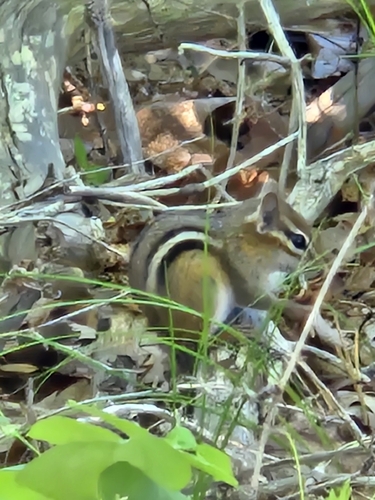
Jun 13, 2026
Wellfleet Bay Wildlife SanctuaryPhoto attribution
(c) David Spindler, some rights reserved (CC BY-SA)
License: CC BY-SA 4.0 ↗
Image may be shown cropped inside the card frame.
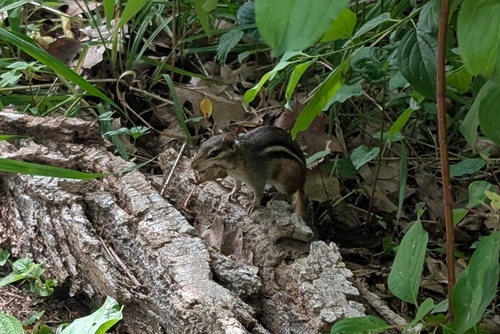
Jun 7, 2026
Henry Vilas ZooPhoto attribution
no rights reserved
License: CC0 1.0 ↗
Image may be shown cropped inside the card frame.
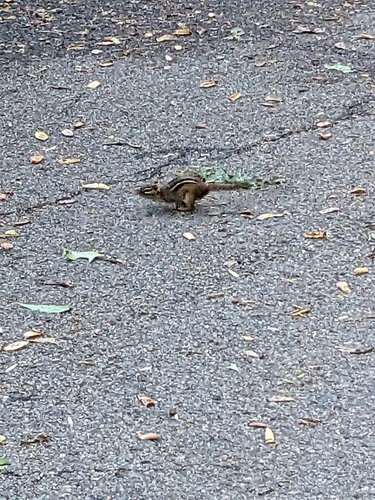
Jun 7, 2026
Queens Vietnam Veterans MemorialPhoto attribution
no rights reserved
License: CC0 1.0 ↗
Image may be shown cropped inside the card frame.
Jun 6, 2026
Reeves-Reed ArboretumPhoto attribution
(c) foxsu, some rights reserved (CC BY)
License: CC BY 4.0 ↗
Image may be shown cropped inside the card frame.

New York, US
You might spot Sundial Lupine, Spotted Horsemint, and New Jersey Tea.
View guide →

Ohio, US
You might spot Eastern Fox Squirrel and Spotted Lanternfly.
View guide →

Michigan, US
You might spot Eastern Gray Squirrel, Tree-Of-Heaven, and House Sparrow.
View guide →

Massachusetts, US
You might spot Eastern Cottontail and American Robin.
View guide →

Tennessee, US
You might spot Black Bear, Yellow Wakerobin, and Pipevine Swallowtail.
View guide →

Alabama, US
You might spot Anole, Eastern Gray Squirrel, and Asian Lady Beetle.
View guide →
Take the discovery with you
Snap it with Snappit to identify it, learn what makes it special, and add the discovery to your collection.




.jpg&width=800)

.JPG&width=800)