





big-head sedge
Carex macrocephala
Big-head sedge is a grass-like plant with big, fluffy flower heads. It grows in clumps and can be found in wet areas, making it a cozy home for tiny creatures.
Habitat: Wetlands
The big-head sedge has stiff, bright green, grass-like leaves forming dense clumps. Its most distinctive feature is the prominent, rounded, often yellowish-brown flower heads, appearing like fuzzy burrs at the top of short stalks, making it visually distinct from thinner-headed sedges.
Category
PlantsRarity
Common
Danger
1/5 · Very low
Snaps
Be the first to snap!
Coastal storms barely bother it; its deep roots hold strong in the sand!
It can drink salty ocean water, thanks to its super tough roots!
Its 'big head' is actually a bundle of many tiny, hidden flowers!
This plant is a master builder, trapping sand to make new land!
Big-head sedge can anchor shifting sands with its tough, spreading roots that help it survive strong coastal winds and create stable habitats.
Big-head sedge has specialized tissues that allow it to grow in salty beach environments, helping it survive harsh coastal conditions.
Big-head sedge can spread horizontally with rhizomes, creating dense mats that help it outcompete other plants and stabilize dunes.
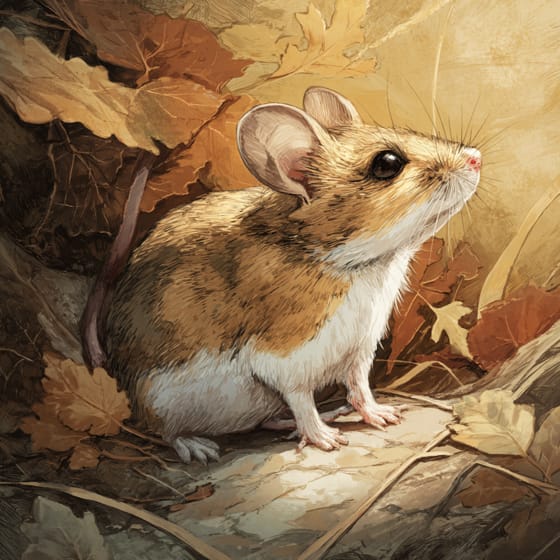
Peromyscus maniculatus
Finds refuge from predators within its dense clumps.
Abronia latifolia
Thrives in dunes stabilized by the sedge's extensive root systems.
%2C_Point_Lobos%2C_CA%2C_US_-_May_2013.jpg&width=800)
Larus occidentalis
Coastal gulls may nest or rest within sedge colonies.
Flowering plants are any plants that produce flowers as part of their reproductive cycle.
Cluster flowers are inflorescences where individual flowers are arranged closely together on a common stem.
Grass-like plants are herbaceous plants that visually resemble true grasses, typically having long, narrow leaves.
Shade tolerant plants are adapted to grow and thrive in areas with low light levels, requiring less direct sunlight.

Describes plants that are particularly attractive and beneficial to a wide range of pollinating organisms.

This habitat trait identifies species found in wetlands, which are areas of land saturated with water, either permanently or seasonally, including marshes, swamps, and bogs.

Describes a species whose presence and role have a disproportionately large effect on its environment.
No aliases listed yet.
Danger
1/5 · Very low
Always look but don't touch plants without asking an adult first.
The easiest way to identify big-head sedge is to use the Snappit nature identifier app.
10-30 cm
30-60 cm
1-3 cm
Late spring to summer
No
None
Perennial
Zoom in to split clusters and explore where this object has been snapped.
Recent snaps will appear here as new observations are added.
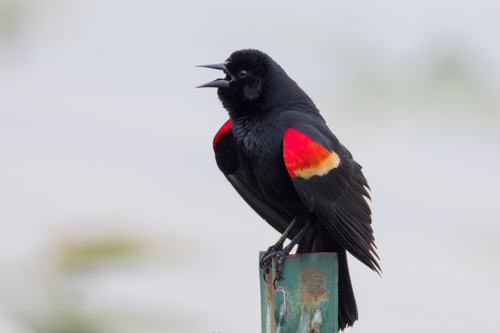
British Columbia, CA
You might spot Red-Winged Blackbird, Tree Swallow, and Great Blue Heron.
View guide →
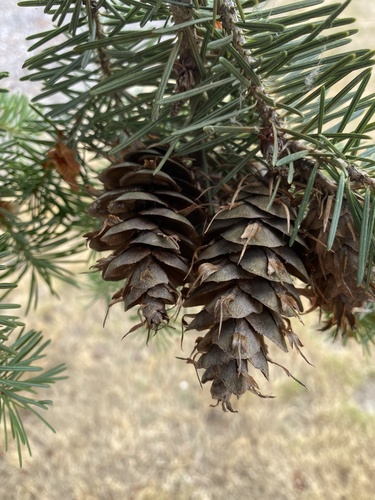
British Columbia, CA
You might spot Douglas Fir, Pacific Madrone, and Rough-Skinned Newt.
View guide →
Take the discovery with you
Snap it with Snappit to identify it, learn what makes it special, and add the discovery to your collection.







.jpg&width=800)



_001.jpg&width=800)



