%2C_Point_Lobos%2C_CA%2C_US_-_May_2013.jpg&width=800)




Western Gull
Larus occidentalis
The Western Gull is a big, gray-and-white bird often found near the ocean. They love to eat fish and can be seen flying over beaches and coastal areas.
Habitat: Coastal areas
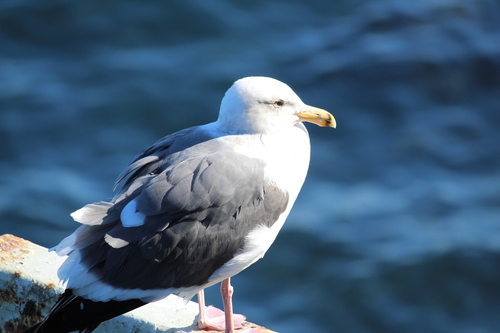
The Western Gull is a large, sturdy seabird with a crisp white head and body. It has a striking dark slate-gray back and wings, which helps distinguish it from lighter-backed gulls. Its strong yellow bill has a distinct red spot, and its legs are pink.
Category
BirdsRarity
Common
Danger
2/5 · Low
Snaps
50
A baby Western Gull is called a 'chick' and is covered in fluffy down!
The red spot on their bill tells chicks where to peck for food!
They can sometimes live for over 25 years in the wild!
Western Gulls sometimes stomp their feet to trick worms into coming up!
Western Gulls can drop shellfish from high up because this helps them break open tough shells for a meal.
Western Gulls have excellent eyesight and a keen sense of smell that helps them locate food from far away.
Western Gulls have powerful wings that help them soar effortlessly on ocean breezes along the coast.
Western Gulls are clever omnivores, eating almost anything they can find, from fish to human snacks!
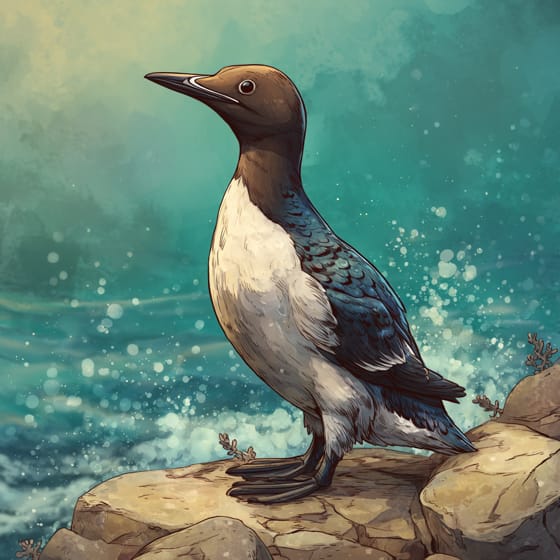
Uria aalge
Preys on eggs and chicks in nesting colonies.
Mytilus californianus
Drops them from heights to crack open their shells.
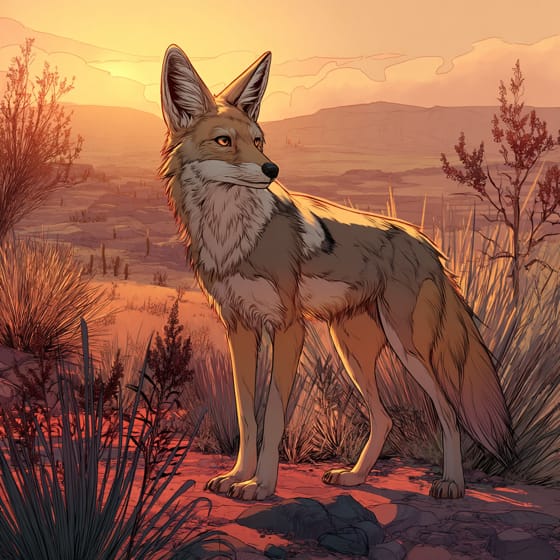
Canis latrans
Can prey on gull eggs, chicks, or injured adults.
Engraulis mordax
Forages for small schooling fish near the surface.
Feathered describes animals, primarily birds, possessing a covering of feathers.
Characterized by having toes connected by a membrane, typically aiding in swimming.
Social animals live in organized groups, cooperating for survival benefits such as foraging, defense, and raising offspring.
Scavengers consume dead organic matter, helping to decompose carcasses and other waste in the ecosystem.

Colorful describes organisms or objects displaying a wide range of bright and distinct colors.

This trait characterizes organisms with an exceptionally long lifespan compared to others of their kind.

Coastal habitats are dynamic environments located along the interface between land and sea, influenced by tides, waves, and saltwater.

This trait identifies organisms whose diet consists entirely or primarily of animal tissue.

Diurnal animals are primarily active during daylight hours, typically resting or sleeping at night.

Migratory animals undertake seasonal movements from one region to another, typically in response to changes in climate or food availability.
No aliases listed yet.
Danger
2/5 · Low
Don't feed gulls human food; it can make them sick!
The easiest way to identify Western Gull is to use the Snappit nature identifier app.
56-66 cm
130-144 cm
0.8-1.4 kg
15-25 years
65 km/h
Western Gulls are clever omnivores, eating almost anything they can find, from fish to human snacks!
Coastal areas
Zoom in to split clusters and explore where this object has been snapped.
Jan 24, 2026
Monterey Bay AquariumPhoto attribution
no rights reserved
License: CC0 1.0 ↗
Image may be shown cropped inside the card frame.

California, US
You might spot Snowy Egret, Great Blue Heron, and Willet.
View guide →

California, US
You might spot Peridot Sweat Bee and Western Fence Lizard.
View guide →

California, US
You might spot Sunburst Anemone, Ochre Sea Star, and Striped Shore Crab.
View guide →

California, US
You might spot Western Fence Lizard and Eastern Fox Squirrel.
View guide →

California, US
You might spot Duck, Mute Swan, and Pond Slider.
View guide →

California, US
You might spot Western Fence Lizard, Eastern Fox Squirrel, and Duck.
View guide →
Take the discovery with you
Snap it with Snappit to identify it, learn what makes it special, and add the discovery to your collection.




.jpg&width=800)






