





Chili Pepper
Capsicum annuum
Chili peppers are spicy fruits that come in different colors like red, green, and yellow. People use them to add flavor and heat to food from around the world.
Habitat: Gardens, Farms
The Chili Pepper has glossy dark green leaves and small, star-shaped white or purple flowers. Its most striking feature is its fruit, which ripens into vibrant reds, yellows, oranges, or purples, often in slender or conical shapes that hang from the plant.
Category
PlantsRarity
Common
Danger
2/5 · Low
Snaps
Be the first to snap!
Astronauts grew chili peppers on the International Space Station for a fresh food source.
Capsaicin, the spicy part, is an oily compound that cannot be washed away with just water.
Chili peppers aren't 'peppers' at all; they are actually berries from the *Capsicum* plant genus.
The world's hottest chili, Pepper X, can feel 3 million times hotter than a jalapeño!
Chili Pepper produces capsaicin to deter mammals from eating its seeds, ensuring birds can spread them without digestion.
The chili fruit turns bright red or yellow when ripe, signaling to birds that it's ready for dispersal.
Many chili pepper varieties can adapt to diverse climates, growing quickly even in challenging environments once established.
Apis mellifera
helps flowers produce fruit
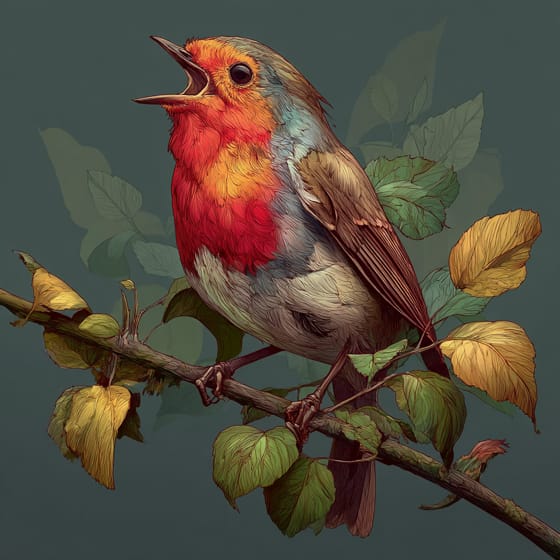
Turdus migratorius
disperses seeds in its droppings

Homo sapiens
cultivates for food and spice
Aromatic plants produce and emit fragrant volatile organic compounds, often for defense or to attract pollinators.
Fruit-bearing plants produce fruits, which are the mature ovaries of flowering plants containing seeds.
Edible plants are those parts of a plant that are considered safe for human consumption.
This human use trait indicates species from which spices are derived, used for flavoring, preserving food, or as aromatic agents.

This trait characterizes organisms with an exceptionally long lifespan compared to others of their kind.
Danger
2/5 · Low
Chili peppers are very spicy, so be careful not to touch your eyes after handling them.
The easiest way to identify Chili Pepper is to use the Snappit nature identifier app.
30-150 cm
20-90 cm
1-2 cm
Summer
Yes
None
Annual
Zoom in to split clusters and explore where this object has been snapped.
Recent snaps will appear here as new observations are added.
Take the discovery with you
Snap it with Snappit to identify it, learn what makes it special, and add the discovery to your collection.









.jpg&width=800)



_001.jpg&width=800)


