





bitternut hickory
Carya cordiformis
The bitternut hickory is a tall tree with beautiful leaves and tasty nuts. It grows in forests and is loved by many animals who eat its nuts!
Habitat: Forests
The bitternut hickory is a tall, slender tree with smooth, gray bark that becomes furrowed with age. Its most distinctive feature is the striking bright yellow, sulfur-colored buds that stand out in winter. It produces small, thin leaves and unique yellow, egg-shaped nuts with four prominent wings.
Category
PlantsRarity
Common
Danger
1/5 · Very low
Snaps
2
Bitternut hickory nuts are so bitter, even most squirrels only eat them when truly starving!
Despite the bitter nuts, its strong wood is perfect for making things like tool handles and furniture!
Its bright yellow buds look like tiny pieces of sunshine, glowing even in snowy winter!
Native Americans once used the tree's bark to make a yellow dye for baskets and cloth!
Bitternut hickory has extremely bitter nuts that discourage most animals from eating them, helping its seeds survive.
Its striking yellow buds glow in winter, allowing easy identification even when its leaves have fallen.
This tree can grow in damp soils and even floodplains, thriving where other trees might struggle to survive.
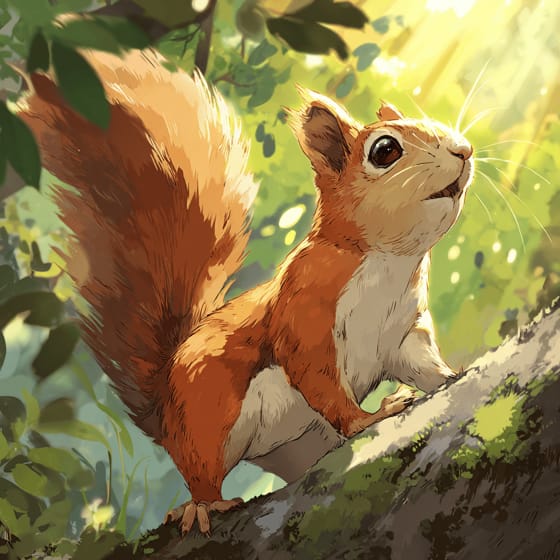
Sciurus carolinensis
eats its bitter nuts, often burying them for later.
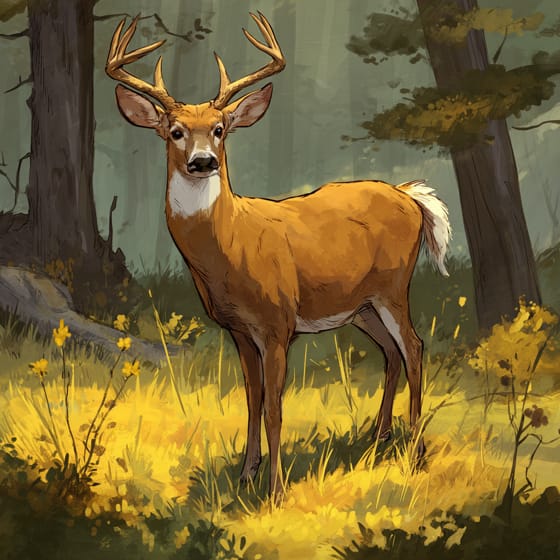
Odocoileus virginianus
browses on young twigs and leaves during winter.
Hyphantria cunea
larvae consume its leaves, creating visible silken webs.
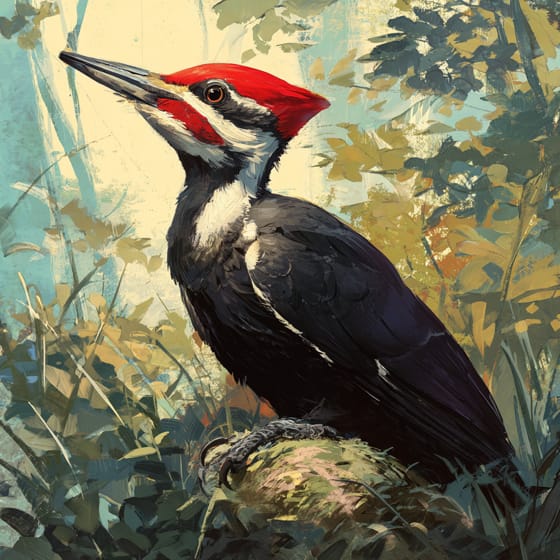
Dryocopus pileatus
often excavates nesting cavities in its large trunks.
Deciduous plants periodically shed all their leaves, typically during autumn or dry seasons.
Broadleaf trees are angiosperms characterized by flat, wide leaves that are typically shed annually in temperate climates.
Nut bearing plants produce hard-shelled fruits, commonly known as nuts, which contain a single seed and are a valuable food source.
Edible plants are those parts of a plant that are considered safe for human consumption.

Fall color refers to the seasonal change in foliage pigmentation, primarily in deciduous plants, displaying vibrant hues.
Timber refers to wood that has been prepared for use in building and carpentry.

Forest habitats are terrestrial environments dominated by dense tree cover, supporting a high diversity of plant and animal life.
No aliases listed yet.
Danger
1/5 · Very low
Be careful not to climb too high in trees. Always ask an adult for help!
The easiest way to identify bitternut hickory is to use the Snappit nature identifier app.
1500-3500 cm
1000-1500 cm
Spring
No
None
Perennial
Wind
Zoom in to split clusters and explore where this object has been snapped.
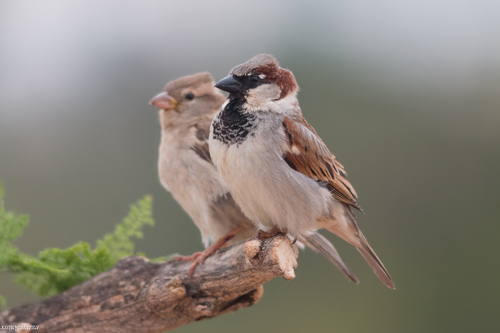
Pennsylvania, US
You might spot House Sparrow, Spotted Lanternfly, and American Robin.
View guide →

Maryland, US
You might spot Common Pawpaw and Feather-Edged Petrophila.
View guide →

Pennsylvania, US
You might spot House Sparrow, Spotted Lanternfly, and American Robin.
View guide →

Michigan, US
You might spot Whooping Crane, Wild Teasel, and Redside Dace.
View guide →

New York, US
You might spot Box Elder, Garter Snake, and Common Milkweed.
View guide →
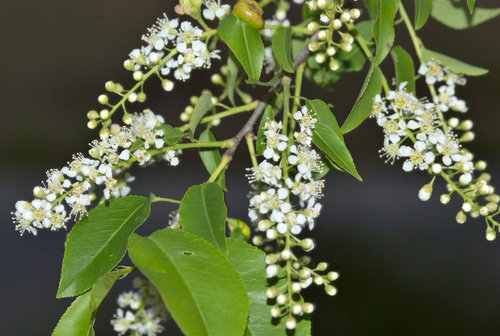
New York, US
You might spot Black Cherry and Allegheny Mountain Dusky Salamander.
View guide →
Take the discovery with you
Snap it with Snappit to identify it, learn what makes it special, and add the discovery to your collection.







.jpg&width=800)


_001.jpg&width=800)



