





winged euonymus
Euonymus alatus
The winged euonymus is a fun shrub with unique, wing-like growths on its branches. In autumn, its leaves turn bright red, making it a beautiful sight in gardens and parks!
Habitat: Urban areas
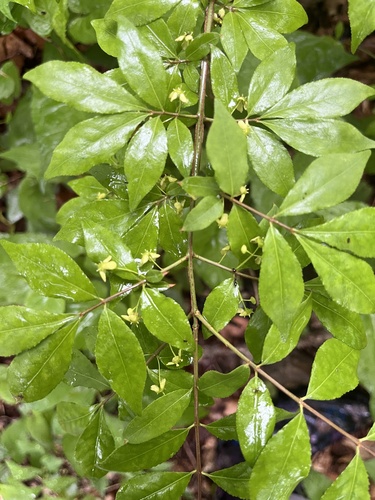
The winged euonymus is a striking shrub known for its unique corky 'wings' that grow along its green branches. Its oval leaves are green through summer, transforming into an intense, fiery scarlet or crimson in autumn before shedding. Small, inconspicuous greenish-yellow flowers give way to bright red berries.
Category
PlantsRarity
Common
Danger
2/5 · Low
Snaps
37
Despite its beauty, this plant is considered an invasive species in many parts of the U.S.!
Even though it's a shrub, it can live for many decades, growing slowly over time!
Its scientific name, *alatus*, literally means 'winged,' referring to its cool branches!
The plant's fiery red fall color is so intense, it's often called the 'Burning Bush'!
Winged euonymus has distinct corky 'wings' on its branches that make it easy to identify, especially in winter.
Winged euonymus transforms into a brilliant red in autumn, a visual signal that helps birds spot its seeds for dispersal.
Winged euonymus produces bright red berries that are toxic to humans and most animals, protecting its precious seeds.
Apis mellifera
collects nectar and pollen
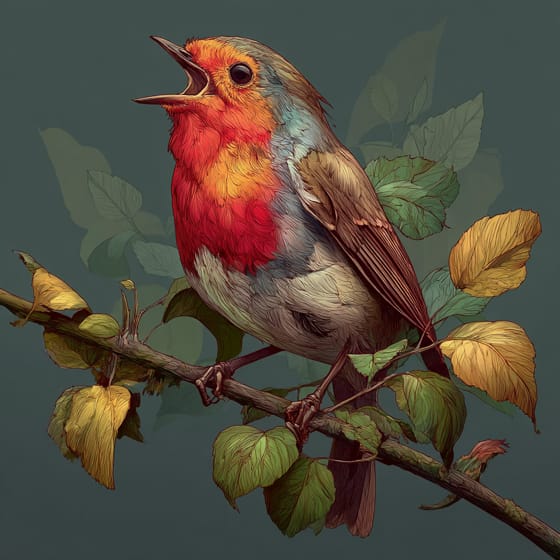
Turdus migratorius
consumes its bright red berries
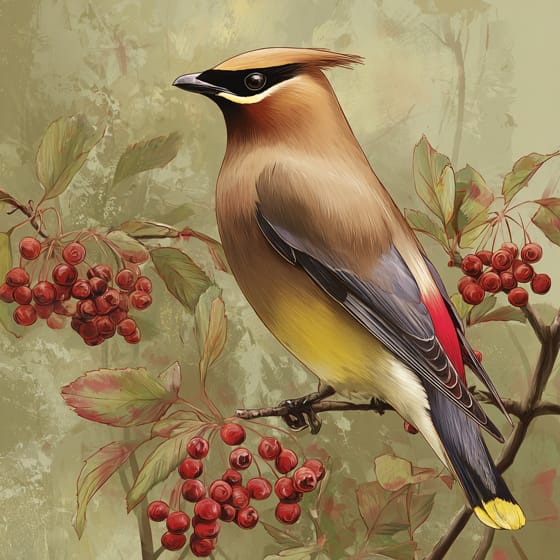
Bombycilla cedrorum
also feeds on its persistent berries
Formica rufa
aids in seed dispersal
Deciduous plants periodically shed all their leaves, typically during autumn or dry seasons.
Ornamental plants are cultivated primarily for their aesthetic appeal, enhancing landscapes and gardens with their attractive foliage, flowers, or form.
A shrub is a woody plant smaller than a tree, typically with multiple stems branching from or near the ground.
Fruit-bearing plants produce fruits, which are the mature ovaries of flowering plants containing seeds.

Colorful describes organisms or objects displaying a wide range of bright and distinct colors.

Fall color refers to the seasonal change in foliage pigmentation, primarily in deciduous plants, displaying vibrant hues.

This habitat trait indicates species that can coexist with humans in urban and suburban environments, utilizing man-made structures and green spaces.
Danger
2/5 · Low
Do not eat the berries without asking an adult, as they can be harmful.
The easiest way to identify winged euonymus is to use the Snappit nature identifier app.
150-300 cm
150-300 cm
0.5-1 cm
Late spring to early summer
No
Moderate
Perennial
Zoom in to split clusters and explore where this object has been snapped.
May 14, 2026
Huntington Center Historic DistrictPhoto attribution
no rights reserved
License: CC0 1.0 ↗
Image may be shown cropped inside the card frame.

New Jersey, US
You might spot Garlic Mustard, Sensitive Fern, and Common Mugwort.
View guide →

Tennessee, US
You might spot House Sparrow, Northern Mockingbird, and Gulf Fritillary.
View guide →

Massachusetts, US
You might spot Common Eastern Bumble Bee and Eastern Skunk Cabbage.
View guide →

Ohio, US
You might spot Large White Trillium, Fire Pink, and Christmas Fern.
View guide →

Rhode Island, US
You might spot Spotted Lanternfly, Duck, and American Robin.
View guide →

Rhode Island, US
You might spot Spotted Lanternfly, Duck, and American Robin.
View guide →
Take the discovery with you
Snap it with Snappit to identify it, learn what makes it special, and add the discovery to your collection.








.jpg&width=800)



_001.jpg&width=800)




