





Bitterroot
Lewisia rediviva
Bitterroot is a pretty flower that grows in the mountains. It has pink or white petals and is known for its special roots that can be eaten. It blooms in spring and loves sunny places!
Habitat: Mountain regions
The Bitterroot has striking rose-pink to white flowers, often with darker stripes, that emerge directly from a low rosette of narrow, fleshy leaves. Its bright petals stand out vividly against dry, rocky ground, making it easily spotted.
Category
PlantsRarity
Common
Danger
1/5 · Very low
Snaps
6
It's the state flower of Montana, a symbol of its rugged mountain beauty!
Its name comes from roots that taste bitter unless prepared correctly!
Its nutritious roots were a vital food source, even traded like currency!
This tough plant can bloom again even after its leaves have completely withered!
Bitterroot can survive long droughts because its fleshy taproot stores vital water and nutrients deep underground.
Bitterroot has an amazing ability to "play dead," shriveling up and appearing lifeless, only to burst into bloom again later!
Bitterroot can go dormant during dry periods, shedding its leaves to conserve moisture until conditions improve.
Bombus bifarius
Collects pollen and nectar from its vibrant flowers.
Apis mellifera
Visits flowers, aiding in its reproduction.
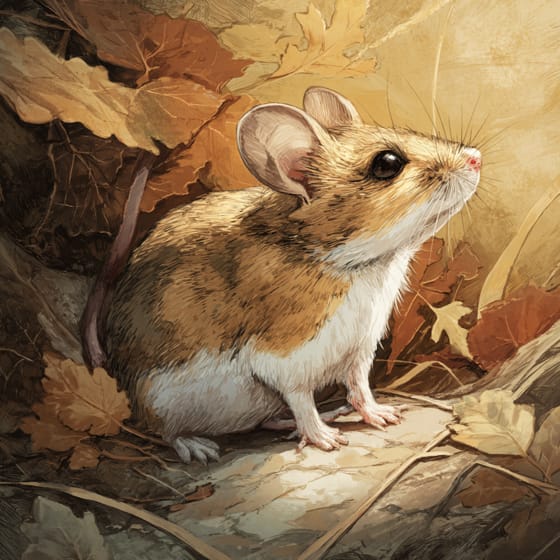
Peromyscus maniculatus
May nibble on its leaves or flower parts.

Thomomys talpoides
Digs for and consumes its fleshy roots.
Flowering plants are any plants that produce flowers as part of their reproductive cycle.
Spring blooming plants produce their flowers during the spring season, often signifying the end of winter and the start of new growth.
Fragrant flowers emit a pleasant aroma, often to attract pollinators or for defense.
Medicinal plants possess chemical compounds that can be used for therapeutic purposes to treat illnesses or maintain health.

Colorful describes organisms or objects displaying a wide range of bright and distinct colors.

Edible plants are those parts of a plant that are considered safe for human consumption.

This habitat trait identifies species found in mountainous regions, characterized by high elevation, steep slopes, and varying climate zones.
No aliases listed yet.
Danger
1/5 · Very low
Always look but don't touch wild plants unless a grown-up says it's okay.
The easiest way to identify Bitterroot is to use the Snappit nature identifier app.
1-5 cm
2-10 cm
2-5 cm
Spring_to_early_summer
Yes
None
Perennial
Zoom in to split clusters and explore where this object has been snapped.

Oregon, US
You might spot Mule Deer, Song Sparrow, and Northern Yellow Warbler.
View guide →

Oregon, US
You might spot Blue Mountain Prairie Clover and Munro's Globemallow.
View guide →

Nevada, US
You might spot African Lion, Tiger, and Zebra.
View guide →

Montana, US
You might spot Spotted Knapweed, Great Mullein, and Nodding Onion.
View guide →

Idaho, US
You might spot Limber Pine and Dwarf Purple Monkeyflower.
View guide →

Wyoming, US
You might spot Killdeer, American Kestrel, and Northern Flicker.
View guide →
Take the discovery with you
Snap it with Snappit to identify it, learn what makes it special, and add the discovery to your collection.








.jpg&width=800)


_001.jpg&width=800)



