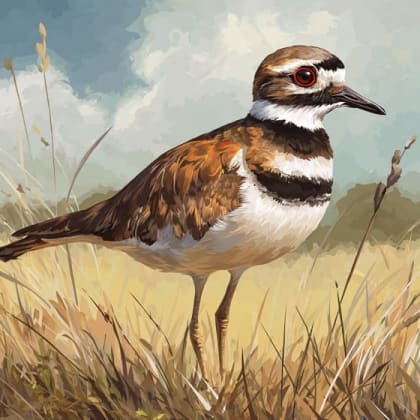





Killdeer

Fort Washakie is a historic district blending military history with vibrant Native American heritage.
Fort Washakie is a historic district blending military history with vibrant Native American heritage. Nestled within Wyoming's expansive Wind River Indian Reservation, this significant site offers a profound connection to the past, serving as a cultural heartland for the Eastern Shoshone and Northern Arapaho tribes. It uniquely combines the narrative of a frontier military post with the enduring legacy of indigenous peoples, making it a compelling destination for those seeking a deeper understanding of the American West.
Visitors can explore the poignant gravesites of revered figures like Sacajawea, the famed guide of the Lewis and Clark Expedition, and Chief Washakie, the influential leader for whom the fort was named. The area also features historic fort buildings that once housed soldiers and served as a pivotal center for the region. The Eastern Shoshone Cultural Center provides rich insights into tribal traditions, art, and history, offering a chance to engage with the living culture of the reservation.
Fort Washakie is an essential stop for anyone wishing to experience the rich tapestry of Wyoming's history and Native American culture. It’s a place where history comes alive through poignant memorials, preserved structures, and vibrant cultural expressions, all set against the breathtaking backdrop of the Wind River Range. The combination of historical depth and stunning natural beauty creates a memorable and educational experience. Take the ultimate field guide with you: use the Snappit app to identify birds, plants, and animals on your trip.
Fort Washakie began its life as Camp Augur in 1869, established by the U.S. Army to protect the Shoshone and Bannock Indian Reservation against hostile tribes and safeguard miners in the Sweetwater region. It was briefly renamed Camp Brown in 1870, honoring Captain Frederick H. Brown. The fort's location was moved to its present site on the Wind River Indian Reservation in 1871. In 1878, it was officially renamed Fort Washakie, in tribute to the revered Chief Washakie of the Eastern Shoshone tribe, making it one of the few U.S. military outposts named after a Native American leader. The fort also served as a crucial supply base for expeditions heading into Yellowstone National Park and the Big Horn country during the 1870s and 1880s. The military post remained active until 1909 and was subsequently transferred to the Shoshone Indian Agency in 1913, becoming a central hub for the tribe.
Walk through the historic cemeteries, learn about Shoshone and Arapaho culture at the tribal cultural center, seek out opportunities to experience a traditional powwow (check schedules in advance), and appreciate the scenic beauty of the surrounding Wind River Indian Reservation and Wind River Range.
Summers are warm and ideal for outdoor exploration and cultural events. Spring and fall offer cooler temperatures and beautiful scenery. Winters can be cold with snow, which may limit accessibility to some sites or activities.
As a historic district with older buildings and natural outdoor spaces, accessibility may vary. It is recommended to contact the Eastern Shoshone Cultural Center or other relevant tribal offices in advance for specific accessibility information regarding individual sites and buildings.
Pay respects at the grave of the legendary Lewis and Clark guide, Sacajawea, and view her statue.
Visit the final resting place of the esteemed Chief Washakie, located in the Fort Washakie cemetery, and see his nearby statue.
Explore exhibits on the history, art, and traditions of the Eastern Shoshone people.
Observe the remaining structures of the former U.S. Army fort, now integral to the reservation.
Each card links to a full Explore page with photos, traits, and fun facts.
Start with the big picture, then zoom in to explore individual wildlife observations around this place.
Respect Tribal Land
Remember you are on the Wind River Indian Reservation, home to sovereign nations. Be respectful of tribal customs, traditions, and privacy.
Plan Ahead for Events
If you wish to experience a powwow or other cultural events, check the Eastern Shoshone and Northern Arapaho tribal calendars in advance, as dates vary annually.
Visit the Cultural Center First
Start your visit at the Eastern Shoshone Cultural Center to gain valuable context and historical insight before exploring the outdoor sites.
Dress Appropriately
Wear comfortable shoes for walking around cemeteries and historic grounds. Layered clothing is recommended as Wyoming weather can change rapidly.
Stay Hydrated and Bring Snacks
Services can be spread out on the reservation, so carrying water and some snacks is a good idea.
Photography Etiquette
Always ask permission before photographing individuals, especially during cultural events. Some sites may have restrictions, so be observant of signage.
Aug 10, 2025
Jul 17, 2025
Jun 16, 2025
Jun 16, 2025
May 31, 2025

Maryland, US
You might spot White-Tailed Deer and Eastern Gray Squirrel.
View guide →
.jpg)
District of Columbia, US
You might spot Eastern Gray Squirrel, Duck, and House Sparrow.
View guide →

Illinois, US
You might spot American Robin, Canada Goose, and House Sparrow.
View guide →

Virginia, US
You might spot Spotted Lanternfly and Northern Cardinal.
View guide →
Take the discovery with you
Identify the wildlife you spot, learn as you go, and keep a collection of the adventure.



















_(9471470335).jpg&width=800)





