





Eurasian Siskin
Spinus spinus
The Eurasian Siskin is a small, cheerful bird with bright yellow feathers and a sweet song. They love to flit around trees and can often be seen in flocks, making them a joyful sight in nature.
Habitat: Forests
The Eurasian Siskin is a small, vibrant finch with a striking green and yellow plumage. Males have a black cap and chin, while females are duller with more streaking. Both sexes feature prominent yellow wing bars and tail sides, making them visually distinct.
Category
BirdsRarity
Common
Danger
1/5 · Very low
Snaps
Be the first to snap!
A siskin's nest is so cleverly hidden it's almost impossible to find!
These tiny birds help forests grow by spreading conifer seeds!
They are super social, often feeding in flocks of over 100 birds!
They love taking baths and will splash happily in small puddles!
Eurasian Siskin has a pointed beak that helps them expertly extract tiny seeds from conifer cones.
Eurasian Siskin can hang upside down because of their strong claws, helping them reach hidden seeds.
Eurasian Siskin can undertake unpredictable movements because of food availability, helping them find new feeding grounds.
Eurasian Siskin has dappled green and yellow feathers that help them hide amongst leafy branches.
They mostly eat tiny seeds from trees like conifers, but also snack on insects and buds.

Accipiter nisus
A common predator of small birds in its habitat.
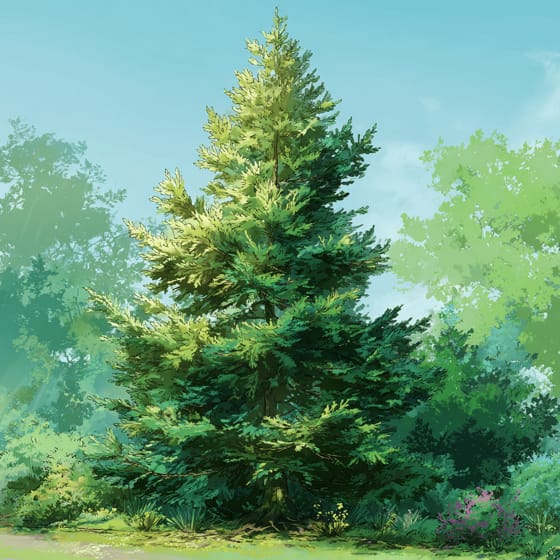
Picea abies
Feeds on seeds from its cones, especially in winter.
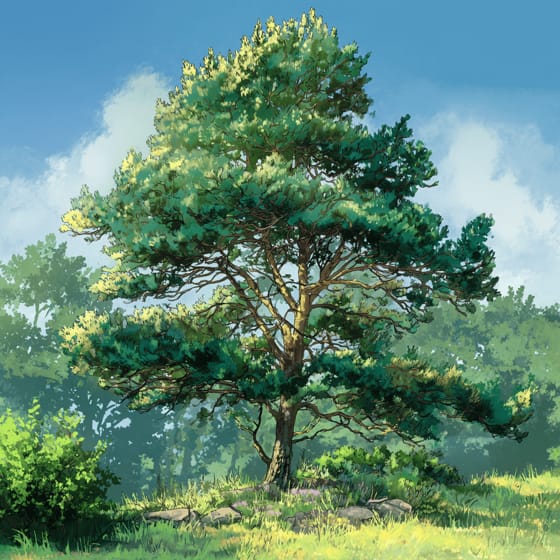
Pinus sylvestris
Extracts tiny seeds from pine cones using its specialized beak.
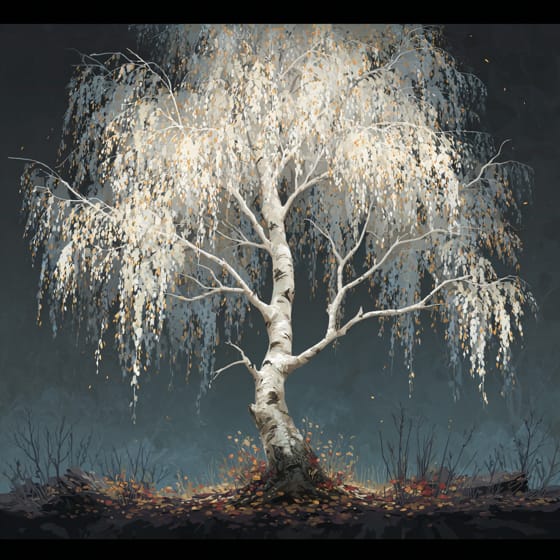
Betula pendula
Enjoys eating the small seeds produced by birch trees.
Aphis fabae
Consumes these small insects, especially when feeding young.
Feathered describes animals, primarily birds, possessing a covering of feathers.
Social animals live in organized groups, cooperating for survival benefits such as foraging, defense, and raising offspring.
Singing animals produce complex vocalizations, often for purposes of attracting mates, defending territory, or communicating within their species.
Colorful describes organisms or objects displaying a wide range of bright and distinct colors.

This trait characterizes organisms whose diet consists entirely or primarily of plant material.

Forest habitats are terrestrial environments dominated by dense tree cover, supporting a high diversity of plant and animal life.

Diurnal animals are primarily active during daylight hours, typically resting or sleeping at night.

Migratory animals undertake seasonal movements from one region to another, typically in response to changes in climate or food availability.
No aliases listed yet.
Danger
1/5 · Very low
Enjoy watching birds from a distance, and don't try to touch them.
The easiest way to identify Eurasian Siskin is to use the Snappit nature identifier app.
11-13 cm
20-23 cm
0.01-0.018 kg
2-5 years
35 km/h
They mostly eat tiny seeds from trees like conifers, but also snack on insects and buds.
Forests
Zoom in to split clusters and explore where this object has been snapped.
Recent snaps will appear here as new observations are added.
Take the discovery with you
Snap it with Snappit to identify it, learn what makes it special, and add the discovery to your collection.




.jpg&width=800)





