





black crested mangabey
Lophocebus aterrimus
The black crested mangabey is a playful monkey with a fluffy black crest on its head. They love to swing in the trees and are very social, often seen playing with their friends.
Habitat: Forests
The black crested mangabey is a medium-sized monkey with a shaggy, jet-black coat. It features a distinctive, upright crest of hair on its head and striking pale eyelids. Its long tail is also black.
Category
MammalsRarity
Common
Danger
2/5 · Low
Snaps
Be the first to snap!
Baby mangabeys cling tightly to their mother's belly for their first few months, riding along everywhere.
The black crested mangabey sometimes forages on the ground, but quickly retreats to trees if danger appears.
Their unique pale eyelids contrast sharply with their dark fur, making them look like they're wearing white eyeliner!
They often forage in groups, using their long tails for balance while searching for food high in trees.
black crested mangabey has strong jaws and teeth that help them crack tough nuts and seeds found in the forest.
black crested mangabey can make booming 'hoot-gargle' calls that help them communicate across long distances in dense jungle.
black crested mangabey can navigate high in the tree canopy with incredible speed and balance, helping them escape predators.
black crested mangabey has sharp vision that helps them spot ripe fruits and hidden insects among dense foliage.
These clever monkeys eat many different things, especially fruits, seeds, and insects found in the forest.
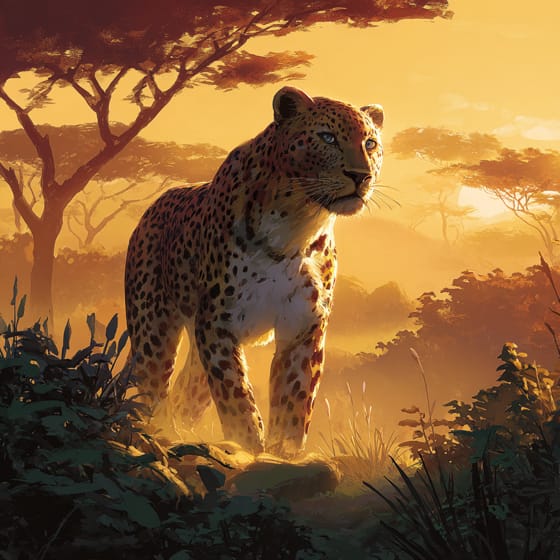
Panthera pardus
A main predator in its forest habitat.
%2C_at_Ndumo_Nature_Reserve%2C_KwaZulu-Natal%2C_South_Africa_(28947411865).jpg&width=800)
Stephanoaetus coronatus
Large bird of prey that hunts monkeys.
Ficus exasperata
Consumes its fruits, dispersing the seeds widely.
Irvingia gabonensis
Feeds on the nutritious seeds from this tree.
Furry describes animals possessing a dense covering of soft hair or fur.
Crested describes animals possessing a prominent tuft of feathers, hair, or skin on their head.
Social animals live in organized groups, cooperating for survival benefits such as foraging, defense, and raising offspring.
This trait identifies organisms whose diet includes both plant and animal matter.

Arboreal animals live primarily in trees, utilizing them for shelter, food, and protection from predators.

Forest habitats are terrestrial environments dominated by dense tree cover, supporting a high diversity of plant and animal life.

Diurnal animals are primarily active during daylight hours, typically resting or sleeping at night.

This trait identifies organisms that exhibit exceptional swiftness in movement for hunting, escape, or travel.

Endangered status indicates a species is at a very high risk of extinction in the wild in the near future.
No aliases listed yet.
Danger
2/5 · Low
Always watch these monkeys from a distance and never try to touch them.
The easiest way to identify black crested mangabey is to use the Snappit nature identifier app.
45-65 cm
4-10 kg
20-25 years
25 km/h
These clever monkeys eat many different things, especially fruits, seeds, and insects found in the forest.
Forests
Foraging
Zoom in to split clusters and explore where this object has been snapped.
Recent snaps will appear here as new observations are added.
Take the discovery with you
Snap it with Snappit to identify it, learn what makes it special, and add the discovery to your collection.




.jpg&width=800)

.JPG&width=800)



.jpg&width=800)
