





Black-headed Weaver
Ploceus melanocephalus
The Black-headed Weaver is a colorful bird with a shiny black head and bright yellow body. They are known for weaving intricate nests that hang from trees, making them look like little works of art!
Habitat: Wetlands
The Black-headed Weaver has a striking black head and throat in males, contrasting sharply with a chestnut nape and bright yellow underparts. Its back is olive-yellow, and it possesses a robust, conical bill. Females are duller, primarily streaked olive-brown with yellow hints.
Category
BirdsRarity
Common
Danger
1/5 · Very low
Snaps
Be the first to snap!
A single colony of these birds can have hundreds of cleverly woven nests!
Their nests are so strong, they can survive big storms and heavy winds!
They often build their nests hanging over water to keep hungry predators away.
Wow! The male weaver builds several nests, and the female chooses the best one!
Black-headed Weaver can construct complex, enclosed nests because of their specialized bill and strong feet that help them weave grass.
Black-headed Weavers have a knack for colonial nesting that helps them raise young and protect against predators in groups.
Black-headed Weaver can spot and catch small insects because of their keen eyesight and agile movements, which helps them find food.
These birds enjoy a mix of insects and seeds, often foraging in groups.
Accipiter tachiro
Hunts adult weavers for food.
Dispholidus typus
Preys on eggs and nestlings in their nests.
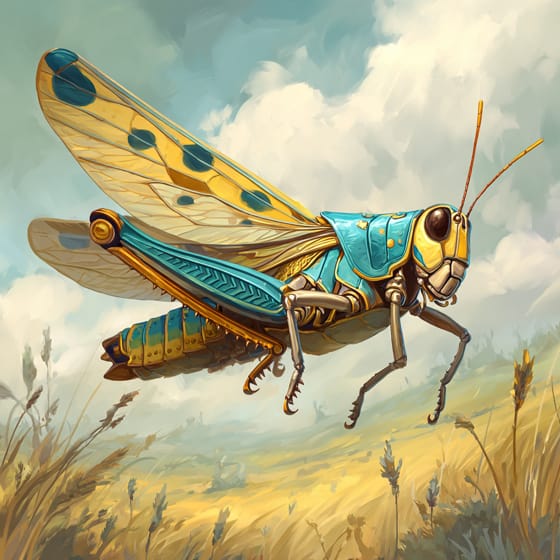
Locusta migratoria
Consumes these insects as a protein source.
Oryza sativa
Feeds on the seeds from these plants.
Sorghum bicolor
Eats seeds, especially during the dry season.
Feathered describes animals, primarily birds, possessing a covering of feathers.
Social animals live in organized groups, cooperating for survival benefits such as foraging, defense, and raising offspring.
Singing animals produce complex vocalizations, often for purposes of attracting mates, defending territory, or communicating within their species.
Arboreal animals live primarily in trees, utilizing them for shelter, food, and protection from predators.

Colorful describes organisms or objects displaying a wide range of bright and distinct colors.

This trait identifies organisms whose diet primarily consists of insects and other small invertebrates.

This habitat trait identifies species found in wetlands, which are areas of land saturated with water, either permanently or seasonally, including marshes, swamps, and bogs.

Diurnal animals are primarily active during daylight hours, typically resting or sleeping at night.
No aliases listed yet.
Danger
1/5 · Very low
Always watch birds from a distance and don't try to touch them.
The easiest way to identify Black-headed Weaver is to use the Snappit nature identifier app.
14-16 cm
22-26 cm
0.014-0.025 kg
3-7 years
60 km/h
These birds enjoy a mix of insects and seeds, often foraging in groups.
Wetlands
Zoom in to split clusters and explore where this object has been snapped.
Recent snaps will appear here as new observations are added.
Take the discovery with you
Snap it with Snappit to identify it, learn what makes it special, and add the discovery to your collection.




.jpg&width=800)








