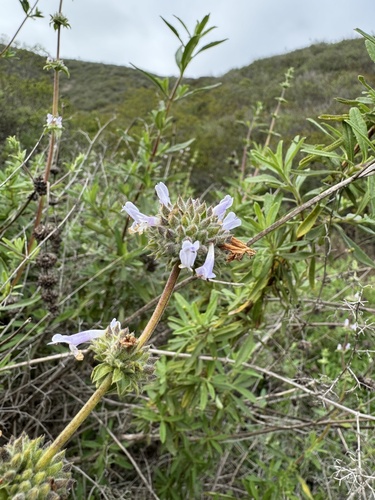


Black Sage
salvia mellifera
Black Sage (Salvia mellifera) is a keystone woody shrub native to the coastal sage scrub and chaparral ecosystems of California and Baja California. Highly resilient and rich in aromatic terpenes, this species is renowned for its intense, pleasant fragrance and its critical ecological role. As one of the most common sages in its native range, it provides vital nectar for a wide array of native bees, butterflies, and hummingbirds during the spring blooming season. It has adapted remarkably to the Mediterranean climate, displaying unique drought-deciduous behaviors that allow it to survive long, dry summers.
Habitat: Found in coastal sage scrub, chaparral, and dry coastal foothill plant communities, typically growing on sunny, arid slopes.
This semi-deciduous shrub typically grows 1 to 2 meters tall, forming a rounded, bushy shape. Its opposite, oblong-elliptic leaves are dark green and highly textured on top, with a paler, hairy underside. The leaves have finely scalloped margins and release a powerful herbaceous scent when crushed. During spring, compact, tiered whorls of flowers form on upright, dark-colored stems. The small, two-lipped flowers range in color from pale lavender and light blue to almost pure white, contrasting sharply with the dark flower bracts that remain on the plant long after blooming.
Category
PlantsRarity
Common
Danger
1/5 · Very low
Snaps
1
During hot summer afternoons, the volatile oils released by Black Sage can create a distinct, pleasantly fragrant haze over entire hillsides.
The Chumash and other local Indigenous peoples used a strong leaf tea from this plant to soothe coughs and bathed painful joints in sage infusions.
The specific epithet 'mellifera' translates to 'honey-bearing,' highlighting the plant's legendary status among beekeepers.
Black Sage drops its larger, moisture-demanding leaves during dry summer months and grows smaller leaves to conserve water.
The plant produces strong aromatic terpenes that deter herbivores and reduce leaf water loss through evaporation.
After a wildfire, Black Sage can regenerate rapidly by resprouting from its underground root crown or via fire-stimulated seeds.
As a photoautotrophic plant, Black Sage produces its own food through photosynthesis, utilizing sunlight, carbon dioxide, and water.
Apis mellifera
Provides a primary source of nectar during the spring, which bees convert into a highly prized, light-colored honey.

Calypte anna
Visits the flowers for nectar, acting as an important pollinator in the coastal sage scrub ecosystem.
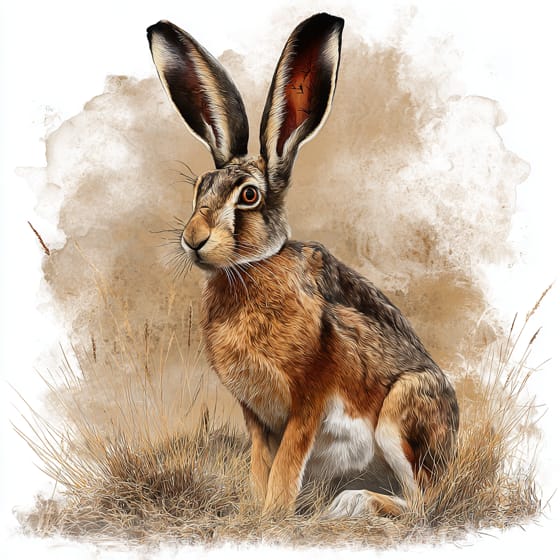
Lepus californicus
Feeds on the woody stems and leaves of the plant, especially during dry seasons when other forage is scarce.
No trait badges are assigned for this object yet.
No aliases listed yet.
Collections for this object will appear here as more themes are added.
Danger
1/5 · Very low
No special safety notes yet.
The easiest way to identify Black Sage is to use the Snappit nature identifier app.
100-200 cm
10-30 years
As a photoautotrophic plant, Black Sage produces its own food through photosynthesis, utilizing sunlight, carbon dioxide, and water.
Found in coastal sage scrub, chaparral, and dry coastal foothill plant communities, typically growing on sunny, arid slopes.
Zoom in to split clusters and explore where this object has been snapped.

California, US
You might spot Warrior's Plume and Purple Owl's-Clover.
View guide →

California, US
You might spot Western Fence Lizard and California Buckwheat.
View guide →
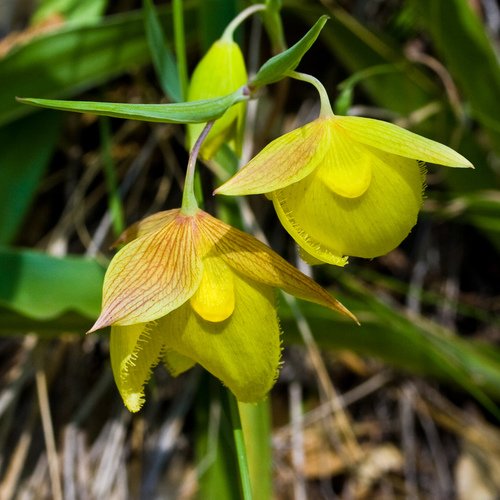
California, US
You might spot Mount Diablo Fairy-Lantern and Western Fence Lizard.
View guide →

California, US
You might spot Western Fence Lizard, Vulture, and Mule Deer.
View guide →
Take the discovery with you
Snap it with Snappit to identify it, learn what makes it special, and add the discovery to your collection.











.jpg&width=800)



_001.jpg&width=800)




