





Blackjacket
Vespula consobrina
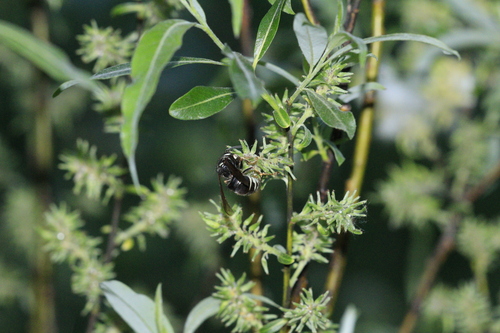
The Blackjacket is a type of wasp that has a shiny black body and yellow stripes. They are often seen buzzing around flowers and can be found in many gardens and parks.
Habitat: Urban areas
The Blackjacket is a medium-sized wasp with a distinct black and white pattern on its abdomen, lacking the yellow typically seen on other yellowjackets. It has a shiny black body and a very narrow waist separating its thorax and abdomen, making it visually unique among its relatives.
Category
InsectsRarity
Common
Danger
3/5 · Moderate
Snaps
1
Blackjackets are often called 'forest yellowjackets' due to their dark markings!
The queen wasp is the only one who survives winter to start a new colony in spring!
They are super helpful predators, munching on garden pests like caterpillars and flies!
Unlike bees, a Blackjacket can sting multiple times without losing its stinger!
Blackjacket can deliver a painful sting because it has a potent venom that helps them protect their nest and colony from threats.
Blackjacket has strong mandibles that help them chew prey, scavenge food, and gather materials to build their intricate paper nests.
Blackjacket lives in large, organized colonies where many wasps work together, helping them forage efficiently and defend their shared home.
Blackjacket can construct elaborate paper nests, often hidden underground, which helps protect their young and the queen.
These wasps primarily hunt insects for protein but also enjoy sugary treats from plants.
Age differences: Larvae consume insects brought by adults for protein, while adults primarily feed on sugars for energy.
Manduca sexta
Provides protein for developing larvae.
Musca domestica
Captures these common flies to feed their young.
Mephitis mephitis
Skunks often dig up and eat entire Blackjacket nests.
.jpg&width=800)
Setophaga coronata
Some birds, like warblers, will opportunistically eat wasps.
Marked with parallel bands or lines of color.
Social animals live in organized groups, cooperating for survival benefits such as foraging, defense, and raising offspring.
Aerial creatures spend a significant portion of their lives airborne, utilizing flight for various activities such as hunting, migration, or nesting.
This trait identifies organisms whose diet includes both plant and animal matter.

Describes plants that are particularly attractive and beneficial to a wide range of pollinating organisms.

Diurnal animals are primarily active during daylight hours, typically resting or sleeping at night.

This habitat trait indicates species that can coexist with humans in urban and suburban environments, utilizing man-made structures and green spaces.

Venomous organisms produce toxins that are injected into another animal, typically through a bite or sting.

Describes organisms that transfer pollen, enabling the fertilization and reproduction of plants.
No aliases listed yet.
Danger
3/5 · Moderate
Be careful around wasps! Don't bother them or their nests, and they will usually leave you alone.
The easiest way to identify Blackjacket is to use the Snappit nature identifier app.
15-22 mm
10-15 mm
14-28 days
15 km/h
These wasps primarily hunt insects for protein but also enjoy sugary treats from plants.
Urban areas
Foraging
Zoom in to split clusters and explore where this object has been snapped.
May 30, 2026
Rockport Historic DistrictPhoto attribution
no rights reserved
License: CC0 1.0 ↗
Image may be shown cropped inside the card frame.
Take the discovery with you
Snap it with Snappit to identify it, learn what makes it special, and add the discovery to your collection.









.jpg&width=800)




