_(6035460183).jpg&width=800)





Blacksmith Lapwing
Vanellus armatus
The Blacksmith Lapwing is a striking bird with black and white feathers and a loud call. They are known for their unique behavior of pretending to be hurt to distract predators away from their nests.
Habitat: Wetlands
The Blacksmith Lapwing has striking black and white plumage with a grey back. Its head, neck, and breast are black, contrasting sharply with a pure white belly. It features a short black bill, red eyes, and long black legs.
Category
BirdsRarity
Common
Danger
1/5 · Very low
Snaps
Be the first to snap!
Its call sounds like a hammer hitting metal, earning its 'Blacksmith' name!
Mom and Dad Lapwing take turns incubating eggs, sharing all the hard work!
They have sharp wing spurs, like tiny daggers, to fight off enemies!
They often nest on open ground, relying on camouflage to hide their eggs.
Blacksmith Lapwing has sharp spurs on its wings that help them bravely fight off predators threatening their nests.
Blacksmith Lapwing can fake an injury because of their smart acting skills that lure danger away from their hidden chicks.
Blacksmith Lapwing can make loud, ringing 'klink' calls because of their unique voice that warns everyone of approaching threats.
These birds primarily feast on various insects and small invertebrates they find on the ground.
Buteo rufofuscus
Adults and chicks can be prey for this large raptor.

Mungos mungo
Mongooses sometimes raid nests for eggs or young chicks.
Macrotermes natalensis
They actively forage for these termites on damp ground.
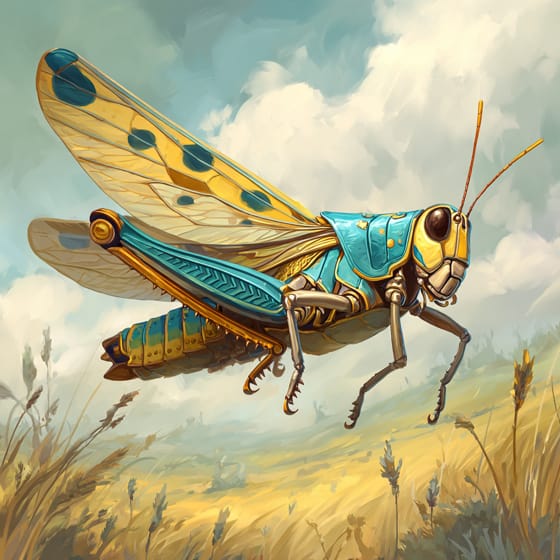
Locusta migratoria
These birds help control populations of various grasshoppers.
Feathered describes animals, primarily birds, possessing a covering of feathers.
Social animals live in organized groups, cooperating for survival benefits such as foraging, defense, and raising offspring.
This trait identifies organisms whose diet includes both plant and animal matter.
Colorful describes organisms or objects displaying a wide range of bright and distinct colors.

This habitat trait identifies species found in wetlands, which are areas of land saturated with water, either permanently or seasonally, including marshes, swamps, and bogs.

Diurnal animals are primarily active during daylight hours, typically resting or sleeping at night.

Migratory animals undertake seasonal movements from one region to another, typically in response to changes in climate or food availability.
Danger
1/5 · Very low
If you see a bird acting hurt, it might be protecting its nest. Stay back and watch quietly.
The easiest way to identify Blacksmith Lapwing is to use the Snappit nature identifier app.
28-31 cm
65-75 cm
0.14-0.2 kg
10-15 years
60 km/h
These birds primarily feast on various insects and small invertebrates they find on the ground.
Wetlands
Zoom in to split clusters and explore where this object has been snapped.
Recent snaps will appear here as new observations are added.
Take the discovery with you
Snap it with Snappit to identify it, learn what makes it special, and add the discovery to your collection.




.jpg&width=800)







