





Blue-Faced Meadowhawk
sympetrum ambiguum
The Blue-Faced Meadowhawk is a colorful dragonfly that loves to flutter around ponds and grassy areas. With its bright blue face and red body, it's like a little flying jewel in nature!
Habitat: They live near ponds, marshes, and grassy fields.
The Blue-Faced Meadowhawk has a striking blue face, or frons, which contrasts with its reddish-brown body. Its clear wings may show a subtle amber tint at the base, and mature males often display brighter red abdominal markings, making them visually distinct.
Category
InsectsRarity
Common
Danger
0/5 · No known danger
Snaps
2
A Blue-Faced Meadowhawk larva lives underwater for months, breathing through gills in its tail!
Their huge eyes are made of thousands of tiny lenses, giving them incredible vision to hunt fast!
These dragonflies can fly backward, sideways, and hover perfectly still, like a tiny helicopter!
When it's cold, they shiver their flight muscles to warm up, just like we do to stay warm!
The Blue-Faced Meadowhawk can quickly change direction mid-air because of its independently moving wings, helping it catch prey.
The Blue-Faced Meadowhawk has nearly 360-degree vision from its large compound eyes that helps them spot tiny insects from far away.
The Blue-Faced Meadowhawk can detect sudden movements with its keen vision, allowing it to quickly escape from approaching predators.
These aerial hunters feast on small flying insects caught with incredible skill in mid-air!
Age differences: Larvae hunt aquatic insects underwater, while adults catch flying insects in the air.
.jpg&width=800)
Tyrannus tyrannus
Adult dragonflies are a common prey for this acrobatic bird.
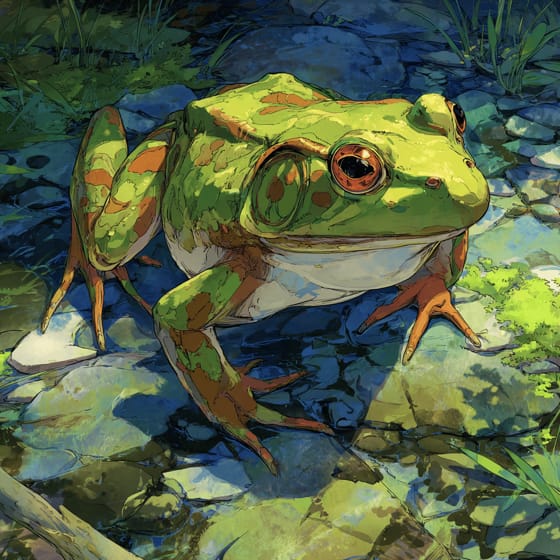
Lithobates catesbeianus
Tadpoles and adult dragonflies are both on this frog's menu.
Culex pipiens
Actively preys on these common biting insects, helping control numbers.
Lepomis macrochirus
Larval dragonflies are a food source for many freshwater fish.
Chironomus plumosus
Consumes large numbers of these small flies near water bodies.
Colorful describes organisms or objects displaying a wide range of bright and distinct colors.
Grassland habitats are terrestrial biomes dominated by grasses and herbaceous plants, supporting a variety of grazing animals.
This trait identifies organisms whose diet consists entirely or primarily of animal tissue.
Diurnal animals are primarily active during daylight hours, typically resting or sleeping at night.

Aquatic habitats encompass environments where organisms live predominantly in water, including oceans, rivers, lakes, and wetlands.
Danger
0/5 · No known danger
No special safety notes yet.
The easiest way to identify Blue-Faced Meadowhawk is to use the Snappit nature identifier app.
45-55 mm
28-36 mm
30-90 days
35 km/h
These aerial hunters feast on small flying insects caught with incredible skill in mid-air!
They live near ponds, marshes, and grassy fields.
Pursuit
Zoom in to split clusters and explore where this object has been snapped.
Take the discovery with you
Snap it with Snappit to identify it, learn what makes it special, and add the discovery to your collection.








.jpg&width=800)



