.jpg&width=800)





Broad-headed Sharpshooter
Oncometopia orbona
The Broad-headed Sharpshooter is a colorful insect known for its bright green body and big head. It loves to hop around and can often be found on plants, where it enjoys sipping on sweet plant juices.
Habitat: Urban areas
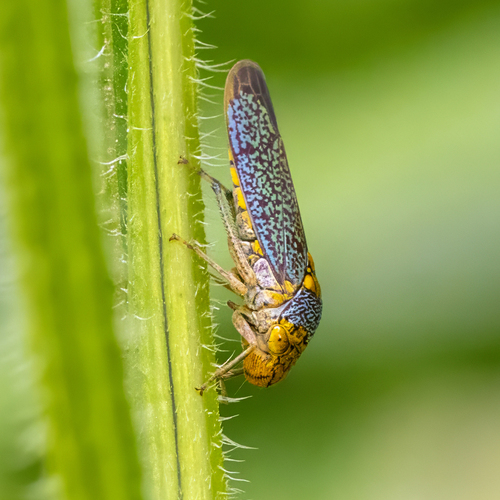
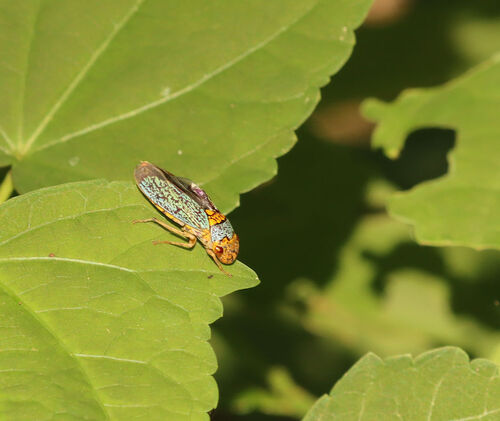
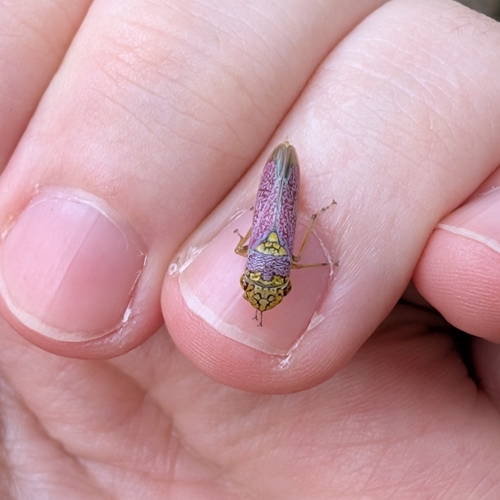
The Broad-headed Sharpshooter is a striking insect, often metallic blue-black with vibrant reddish-orange markings on its broad head and wing veins. Its distinctive broad, flattened head sets it apart from many other leafhoppers, giving it a unique profile.
Category
InsectsRarity
Common
Danger
1/5 · Very low
Snaps
10
A single sharpshooter can drink hundreds of times its own weight in plant sap daily!
They are called 'sharpshooters' because of their pointed head and fast, darting movements!
They talk using tiny vibrations that travel through plant stems, a secret language!
This insect drinks so much plant sap it actually 'pees' out tiny water droplets!
Broad-headed Sharpshooter has specialized mouthparts that help them drink watery sap directly from plant xylem, a challenging food source.
Broad-headed Sharpshooter can unleash powerful jumps using strong hind legs, allowing them to escape predators rapidly from plants.
Broad-headed Sharpshooter can excrete excess water as tiny droplets because their diet is mostly watery xylem sap, helping them concentrate nutrients.
Broad-headed Sharpshooter can communicate through substrate vibrations because they use plants as a medium to find mates and warn others.
These tiny insects drink watery plant sap from stems and leaves, like drinking through a straw!

Acer rubrum
A common food source for nymphs and adults.

Quercus alba
Another important host plant, providing essential xylem sap.
Misumena vatia
Often ambushed by this camouflaged predator on flowers.
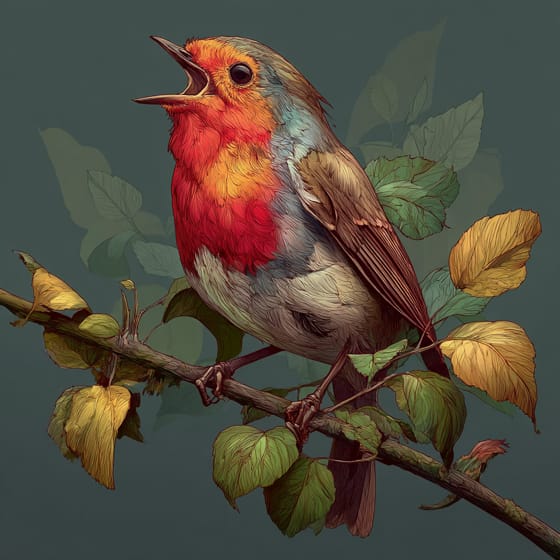
Turdus migratorius
A common bird that will forage for insects, including sharpshooters.
Camouflaged describes organisms that possess coloring or patterns that allow them to blend into their environment.
Colorful describes organisms or objects displaying a wide range of bright and distinct colors.
This trait characterizes organisms whose diet consists entirely or primarily of plant material.
Describes plants that are particularly attractive and beneficial to a wide range of pollinating organisms.

Diurnal animals are primarily active during daylight hours, typically resting or sleeping at night.

This trait identifies organisms that exhibit exceptional swiftness in movement for hunting, escape, or travel.

This habitat trait indicates species that can coexist with humans in urban and suburban environments, utilizing man-made structures and green spaces.

Describes organisms that transfer pollen, enabling the fertilization and reproduction of plants.
No aliases listed yet.
Danger
1/5 · Very low
These insects are harmless, but it's best to watch them from a distance.
The easiest way to identify Broad-headed Sharpshooter is to use the Snappit nature identifier app.
10-14 mm
30-90 days
These tiny insects drink watery plant sap from stems and leaves, like drinking through a straw!
Urban areas
Foraging
6
Zoom in to split clusters and explore where this object has been snapped.
Jun 20, 2026
Fairlie-PoplarPhoto attribution
(c) Dan Vickers, some rights reserved (CC BY)
License: CC BY 4.0 ↗
Image may be shown cropped inside the card frame.
Sep 9, 2025
Marked Tree Lock and SiphonsPhoto attribution
(c) hr_dragonfly, some rights reserved (CC BY)
License: CC BY 4.0 ↗
Image may be shown cropped inside the card frame.
Sep 1, 2025
Greensboro Commercial Historic DistrictPhoto attribution
(c) Leila Dasher, some rights reserved (CC BY)
License: CC BY 4.0 ↗
Image may be shown cropped inside the card frame.

North Carolina, US
You might spot Northern Cardinal, Carolina Wren, and Tufted Titmouse.
View guide →

Georgia, US
You might spot Eastern Gray Squirrel, Domestic Cat, and American Robin.
View guide →

Arkansas, US
You might spot Green Treefrog, Blue-Fronted Dancer, and Question Mark.
View guide →

Tennessee, US
You might spot Eastern Bluebird and Red-Shouldered Hawk.
View guide →

Alabama, US
You might spot Eastern Gray Squirrel and Asian Lady Beetle.
View guide →

Alabama, US
You might spot Anole and Eastern Carpenter Bee.
View guide →
Take the discovery with you
Snap it with Snappit to identify it, learn what makes it special, and add the discovery to your collection.







.jpg&width=800)



