Eastern Fence Lizard

Escape to Morningside Nature Center, Gainesville's premier nature park, offering a unique blend of natural beauty and living history.
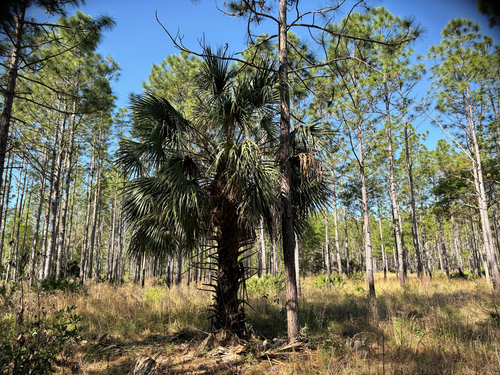
Escape to Morningside Nature Center, Gainesville's premier nature park, offering a unique blend of natural beauty and living history. This expansive 416-acre preserve protects one of the last remaining examples of fire-dependent longleaf pine woodlands in the area, providing a serene retreat into Florida's pristine ecosystems. Visitors can immerse themselves in diverse habitats, from sandhills and flatwoods to cypress domes, all interconnected by over six miles of scenic trails.
Beyond its natural allure, Morningside Nature Center boasts a remarkable Living History Farm, an open-air museum recreating life in a North Florida family homestead from the mid to late 1800s. Here, you can step back in time and explore an original 1840s Florida Cracker cabin, a one-room schoolhouse, and other period-appropriate farm buildings. The farm is home to heritage breed livestock, including Jersey cows, Ossabaw Island hogs, Dorking chickens, and Gulf Coast sheep, offering a tangible connection to agricultural practices of the past.
Morningside Nature Center is a destination that captivates both nature enthusiasts and history buffs, making it an ideal spot for family outings, educational programs, and peaceful contemplation. The vibrant wildflower displays, opportunities for birdwatching from a dedicated bird blind, and the engaging Living History Farm demonstrations create a memorable experience. Whether you're seeking a vigorous hike, a glimpse into pioneer life, or simply a tranquil escape into nature, Morningside provides a rich and rewarding adventure. Take the ultimate field guide with you: use the Snappit app to identify birds, plants, and animals on your trip.
enthusiasts * Hikers and trail runners
Hike the more than six miles of trails through varied ecosystems like sandhill, flatwoods, and cypress domes.
* Visit the Living History Farm to see heritage breed animals (Jersey cows, Ossabaw Island hogs, Dorking chickens, Gulf Coast sheep) and historic buildings like the 1840s cabin and schoolhouse.
* Attend "Living History Days" (first Saturday, Sept-May) to see costumed interpreters and demonstrations of 1870s farm life.
* Participate in the "Barnyard Buddies" program (Wednesdays, 3 PM, Sept-May) to help feed farm animals.
* Go birdwatching from the bird blind or along the trails, looking for species like Eastern Towhee, American Goldfinch, and Red-headed Woodpecker.
* Explore the Timucua Chikee Hut behind the nature center.
Fall (September-November): Spectacular wildflower blooms, Cane Boil & Fiddle Fest, Living History Days, and Fall Wildflower Walks.
Winter (December-February): Cooler weather is ideal for hiking; migratory songbirds may be present.
Spring (March-May): Good weather for visiting, Living History Days, and Farm and Forest Friends programs.
Summer (June-August): Park hours are extended, but it can be hot and humid; some wetter portions of the park take on water, offering different ecological views.
The park offers accessible features, including restrooms and picnic tables. However, some trails, particularly the TRACK Trail, are noted as non-accessible dirt/natural terrain. A paved path leads to the environmental education center.
* **Pets: ** Dogs and other pets are **not allowed** anywhere in Morningside Nature Center, including the Living History Farm and hiking trails.
Experience 1870s Florida pioneer life with heritage livestock and costumed interpreters on Living History Days.
Explore this rare, fire-dependent ecosystem through over six miles of trails.
A dedicated shelter for birdwatching, offering opportunities to spot diverse avian species.
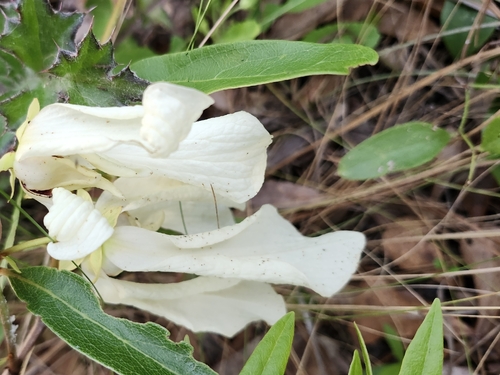
Enjoy spectacular displays, especially during the fall, with over 500 plant species present in the park.
Each card links to a full Explore page with photos, traits, and fun facts.
Start with the big picture, then zoom in to explore individual wildlife observations around this place.
Wear comfortable shoes with good tread, especially for natural-surface trails, as they may have roots and uneven surfaces. Hiking boots are recommended after rain.
Bring water, especially during warmer months, as you'll be spending time outdoors on trails.
Visit on a "Living History Day" (first Saturday of the month, Sept-May) to see costumed interpreters bringing the 1870s farm to life.
If you're a bird enthusiast, bring your camera and visit the bird blind for good views of common and savanna bird species.
Check the City of Gainesville's website or call ahead before your visit, as the park may close during prescribed burns for land management.
Consider visiting in the fall to witness the spectacular wildflower displays and potentially join a guided wildflower walk.
May 26, 2026
Photo attribution
(c) Arturo Santos, some rights reserved (CC BY)
License: CC BY 4.0 ↗
Image may be shown cropped inside the card frame.
Apr 21, 2026
Photo attribution
(c) Emily Geest, some rights reserved (CC BY)
License: CC BY 4.0 ↗
Image may be shown cropped inside the card frame.
Apr 21, 2026
Photo attribution
(c) Emily Geest, some rights reserved (CC BY)
License: CC BY 4.0 ↗
Image may be shown cropped inside the card frame.
Apr 21, 2026
Photo attribution
(c) Emily Geest, some rights reserved (CC BY)
License: CC BY 4.0 ↗
Image may be shown cropped inside the card frame.
Apr 21, 2026
Photo attribution
(c) Emily Geest, some rights reserved (CC BY)
License: CC BY 4.0 ↗
Image may be shown cropped inside the card frame.

Maryland, US
You might spot White-Tailed Deer and Eastern Gray Squirrel.
View guide →
.jpg)
District of Columbia, US
You might spot Eastern Gray Squirrel, Duck, and House Sparrow.
View guide →

Illinois, US
You might spot American Robin, Canada Goose, and House Sparrow.
View guide →

Virginia, US
You might spot Spotted Lanternfly and Northern Cardinal.
View guide →
Take the discovery with you
Identify the wildlife you spot, learn as you go, and keep a collection of the adventure.