





Boat-tailed Grackle
Quiscalus major
The Boat-tailed Grackle is a shiny black bird with a long, beautiful tail that looks like a boat's tail! They are often seen in groups and love to make loud, cheerful sounds.
Habitat: Coastal areas
The Boat-tailed Grackle is a large, glossy black bird with an iridescent purple-blue sheen, featuring a long, distinctive keeled tail in males. Females are smaller and duller, typically brown, differing significantly from the males in coloration.
Category
BirdsRarity
Common
Danger
1/5 · Very low
Snaps
31
Depending on where they live, their bright yellow eyes can even be dark brown!
Males are HUGE compared to females, often twice as heavy and much longer!
These clever birds sometimes steal food right from the mouths of other birds!
They nest in big noisy groups called colonies, sometimes with hundreds of birds flocking together!
Boat-tailed Grackle can make many different sounds, including whistles and rasps, which helps them communicate and establish territories.
Boat-tailed Grackle has a long, stiff tail that acts like a rudder, helping them steer precisely during flight over wetlands.
Boat-tailed Grackle can eat almost anything, from tiny insects to small fish, because of their incredibly adaptable diet.
Boat-tailed Grackles are versatile eaters, enjoying bugs, fish, seeds, and even human snacks!
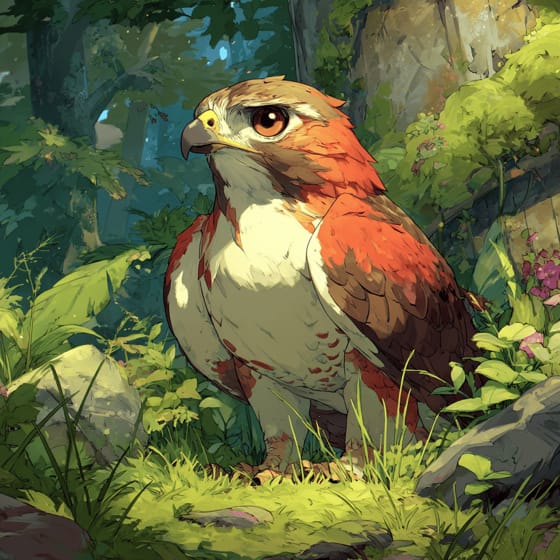
Buteo jamaicensis
Young and adult grackles can be prey for these large raptors.
Procambarus clarkii
Grackles forage for these crustaceans in shallow wetland waters.

Fundulus heteroclitus
They catch small fish like mummichogs in coastal marsh creeks.
Feathered describes animals, primarily birds, possessing a covering of feathers.
Social animals live in organized groups, cooperating for survival benefits such as foraging, defense, and raising offspring.
This trait identifies organisms whose diet includes both plant and animal matter.
This trait identifies organisms whose diet primarily consists of insects and other small invertebrates.

Coastal habitats are dynamic environments located along the interface between land and sea, influenced by tides, waves, and saltwater.

Diurnal animals are primarily active during daylight hours, typically resting or sleeping at night.
No aliases listed yet.
Danger
1/5 · Very low
Enjoy watching birds from a distance, and don't try to touch them.
The easiest way to identify Boat-tailed Grackle is to use the Snappit nature identifier app.
28-43 cm
40-50 cm
0.09-0.25 kg
5-14 years
45 km/h
Boat-tailed Grackles are versatile eaters, enjoying bugs, fish, seeds, and even human snacks!
Coastal areas
Zoom in to split clusters and explore where this object has been snapped.

Georgia, US
You might spot Brown Anole, Anole, and Gulf Fritillary.
View guide →

South Carolina, US
You might spot Brown Pelican, Boat-Tailed Grackle, and Great Egret.
View guide →

Virginia, US
You might spot Eastern Gray Squirrel, Duck, and Northern Mockingbird.
View guide →

US
You might spot Brown Pelican, Boat-Tailed Grackle, and Great Egret.
View guide →

Florida, US
You might spot Peters's Rock Agama, Brown Anole, and American Alligator.
View guide →

South Carolina, US
You might spot Gulf Fritillary, Poey's Furrow Bee, and Anole.
View guide →
Take the discovery with you
Snap it with Snappit to identify it, learn what makes it special, and add the discovery to your collection.




.jpg&width=800)









