




Olympic Gull
Larus glaucescens × occidentalis
The Olympic Gull is a special bird that loves to hang out near the ocean. With its striking white and gray feathers, it looks like a little cloud flying in the sky!
Habitat: Coastal areas
The Olympic Gull has a striking medium-grey back and wings, often showing a mix of dark and pale grey on its wingtips. Its bill is thick and yellowish, usually marked with a distinct red spot near the tip, and it possesses keen, dark eyes.
Category
BirdsRarity
Common
Danger
2/5 · Low
Snaps
8
Olympic Gulls are unique because they are a mix of two different gull species!
Some Olympic Gulls follow fishing boats for miles, hoping for a free meal!
These clever birds sometimes drop hard shells onto rocks to crack them open.
They can drink saltwater, thanks to special glands that filter out the extra salt.
Olympic Gull can find food anywhere because of its sharp eyesight and strong bill that helps them eat many different things.
Olympic Gull has the ability to thrive in coastal cities and wild beaches because of its flexible diet and clever problem-solving skills.
Olympic Gull can glide effortlessly on air currents because of its large wingspan that helps them save energy while searching for food.
This opportunistic bird eats almost anything it can find, from fish to human scraps.
Age differences: Adults feed offspring regurgitated food.
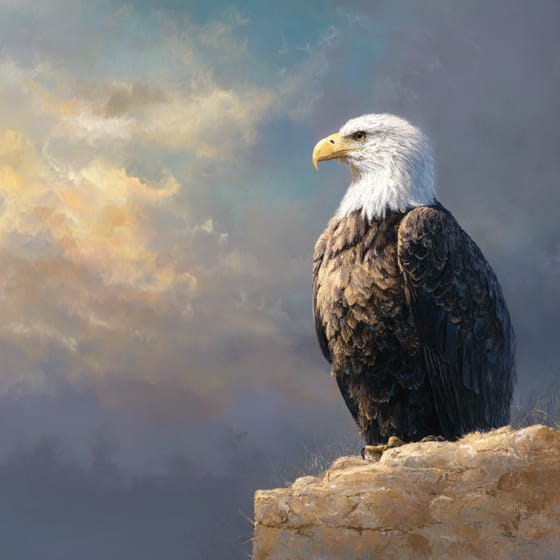
Haliaeetus leucocephalus
Adults and chicks can be prey for large raptors.

Cancer magister
Gulls often crack open crab shells to eat the soft meat inside.
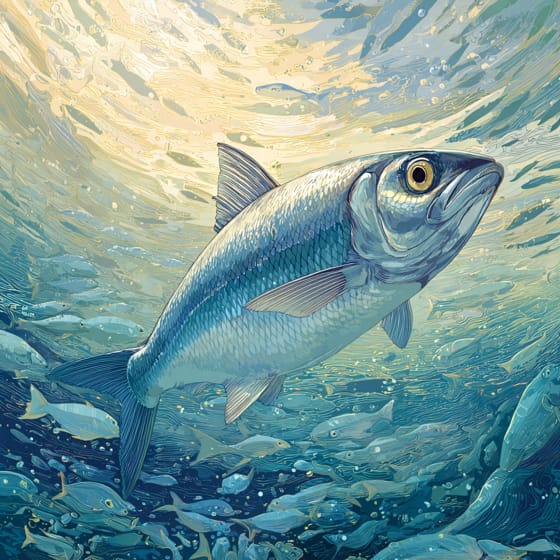
Clupea pallasii
They frequently catch and eat small fish from coastal waters.
Mytilus californianus
Gulls drop these mussels from heights to break their shells.
Feathered describes animals, primarily birds, possessing a covering of feathers.
Social animals live in organized groups, cooperating for survival benefits such as foraging, defense, and raising offspring.
Scavengers consume dead organic matter, helping to decompose carcasses and other waste in the ecosystem.
Piscivorous organisms are animals that primarily subsist on a diet of fish.

Coastal habitats are dynamic environments located along the interface between land and sea, influenced by tides, waves, and saltwater.

This trait identifies organisms whose diet consists entirely or primarily of animal tissue.

Diurnal animals are primarily active during daylight hours, typically resting or sleeping at night.

Marine habitats encompass all saltwater environments of the Earth's oceans, supporting an immense diversity of aquatic life.

Migratory animals undertake seasonal movements from one region to another, typically in response to changes in climate or food availability.
No aliases listed yet.
Danger
2/5 · Low
Always watch from a distance and don't feed the gulls, as they can be very curious!
The easiest way to identify Olympic Gull is to use the Snappit nature identifier app.
55-68 cm
137-153 cm
0.8-1.5 kg
20-30 years
70 km/h
This opportunistic bird eats almost anything it can find, from fish to human scraps.
Coastal areas
Zoom in to split clusters and explore where this object has been snapped.

Washington, US
You might spot Rock Pigeon, American Crow, and Pigeon Guillemot.
View guide →

Washington, US
You might spot Rock Pigeon, American Crow, and Olympic Gull.
View guide →
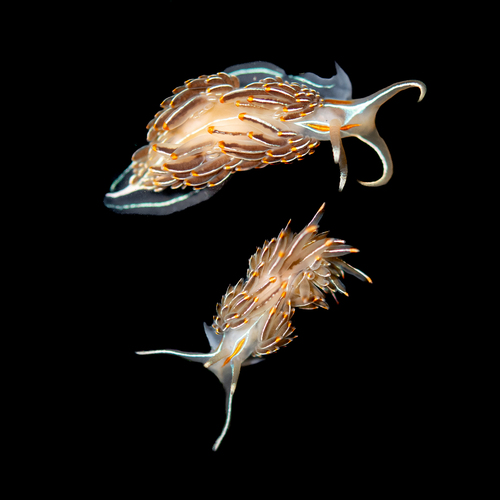
Washington, US
You might spot Horned Nudibranch and Madrone Skin Miner.
View guide →
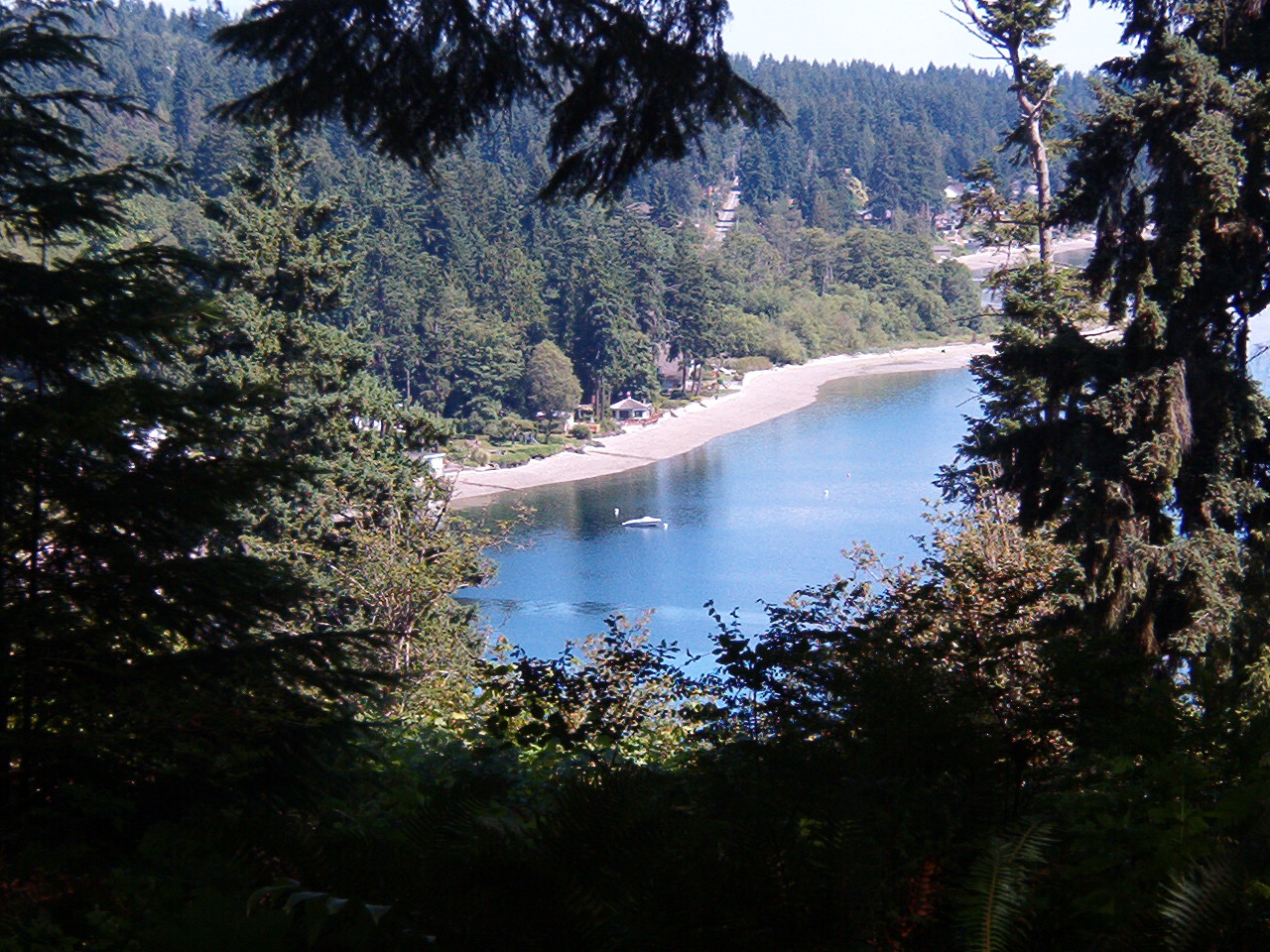
Washington, US
You might spot Surf Scoter, Horned Grebe, and Salmonberry.
View guide →

Washington, US
You might spot Sea Otter, Harbor Seal, and Northern Fur Seal.
View guide →

Washington, US
You might spot Rock Pigeon, Pigeon Guillemot, and American Crow.
View guide →
Take the discovery with you
Snap it with Snappit to identify it, learn what makes it special, and add the discovery to your collection.




.jpg&width=800)







