





Bank Swallow
Riparia riparia
The Bank Swallow is a small bird that loves to dig tunnels in sandy banks. They are great fliers and can be seen swooping over water to catch tiny insects.
Habitat: Coastal areas, wetlands
The Bank Swallow has dull brown upperparts and white underparts, distinctly separated by a single narrow brown band across its breast. Its tail is slightly forked, and it possesses a small bill. This brown breast band makes it visually unique among North American swallows.
Category
BirdsRarity
Common
Danger
1/5 · Very low
Snaps
4
Baby swallows are ready to fly and leave the nest in only 3 weeks!
Bank Swallows can raise two families of chicks in just one summer!
These tiny birds dig long tunnels, sometimes three feet deep, to make their nests!
They are the smallest swallow species found in Europe and North America!
Bank Swallows can dig intricate tunnels in sandy banks because of their strong claws and beaks, which provides safe nest sites.
Bank Swallows has incredible aerial agility that helps them snatch tiny flying insects mid-air with impressive precision.
Bank Swallows can live in large colonies, sometimes numbering thousands, which helps them detect predators and share information.
They are expert insect hunters, catching flying bugs like mosquitoes and flies right out of the air!
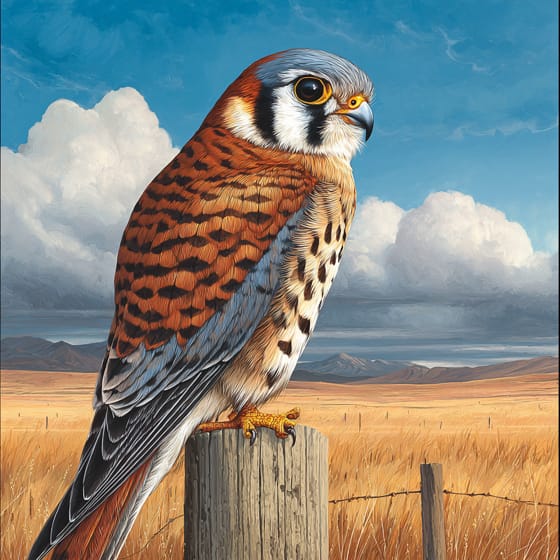
Falco sparverius
Hunts adult swallows during migration and breeding season.
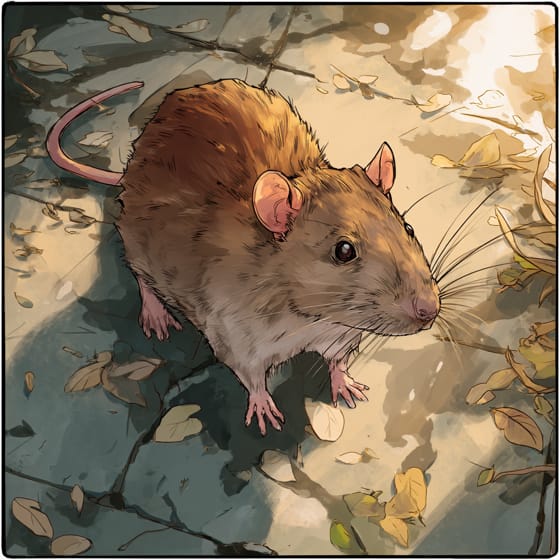
Rattus norvegicus
Preys on eggs and chicks within nesting tunnels.
Culex pipiens
Feeds on adult mosquitoes, helping control their populations.
Bombus terrestris
Catches larger flying insects like bees for food.
Feathered describes animals, primarily birds, possessing a covering of feathers.
Social animals live in organized groups, cooperating for survival benefits such as foraging, defense, and raising offspring.
This trait identifies organisms whose diet primarily consists of insects and other small invertebrates.
This habitat trait identifies species found in wetlands, which are areas of land saturated with water, either permanently or seasonally, including marshes, swamps, and bogs.

Coastal habitats are dynamic environments located along the interface between land and sea, influenced by tides, waves, and saltwater.

Diurnal animals are primarily active during daylight hours, typically resting or sleeping at night.

This trait identifies organisms that exhibit exceptional swiftness in movement for hunting, escape, or travel.

Migratory animals undertake seasonal movements from one region to another, typically in response to changes in climate or food availability.
No aliases listed yet.
Danger
1/5 · Very low
Watch these birds from a distance and don't disturb their nests.
The easiest way to identify Bank Swallow is to use the Snappit nature identifier app.
12-14 cm
28-33 cm
0.01-0.02 kg
1-8 years
45 km/h
They are expert insect hunters, catching flying bugs like mosquitoes and flies right out of the air!
Coastal areas, wetlands
Zoom in to split clusters and explore where this object has been snapped.
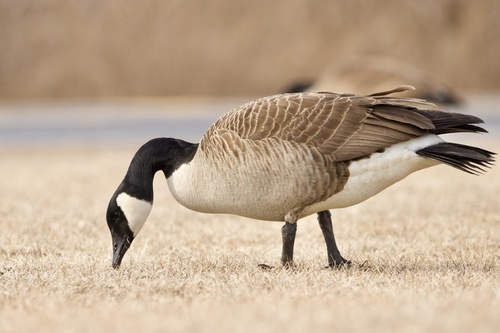
New York, US
You might spot Canada Goose and Atlantic Horseshoe Crab.
View guide →

New Hampshire, US
You might spot Wood Nettle and Water Chickweed.
View guide →

Washington, US
You might spot Ring-Billed Gull, Cackling Goose, and Black-Bellied Plover.
View guide →

Connecticut, US
You might spot Unequal Cellophane Bee, Asian Lady Beetle, and Spongy Moth.
View guide →
Take the discovery with you
Snap it with Snappit to identify it, learn what makes it special, and add the discovery to your collection.




.jpg&width=800)








