





bog bilberry
Vaccinium uliginosum
The bog bilberry is a small shrub that grows in wet, cool places. It produces tasty blue berries that are loved by animals and people alike!
Habitat: Wetlands
The bog bilberry is a small, upright shrub with distinctive bluish-green, oval leaves that turn red in autumn. It has small, urn-shaped flowers, typically pinkish-white, followed by round, dark blue berries covered in a pale, waxy bloom, making them look frosted.
Category
PlantsRarity
Common
Danger
1/5 · Very low
Snaps
2
In autumn, its green leaves transform into brilliant shades of fiery red!
Its name comes from its favorite home: wet, spongy bogs!
The berries look frosted because they have a natural, waxy coating, just like some grapes!
Unlike blueberries, its berry flesh is pale or white inside, not blue!
Bog bilberry can thrive in very acidic, nutrient-poor bog soils that most plants cannot tolerate, helping it survive in harsh wetlands.
This plant has a network of underground stems called rhizomes that help it spread and stabilize in wet, loose bog ground.
Its dark blue berries are coated in a waxy bloom that helps protect them from drying out and makes them less appealing to some pests.
Bombus terrestris
collects nectar and pollen

Ursus arctos
forages on its ripe berries
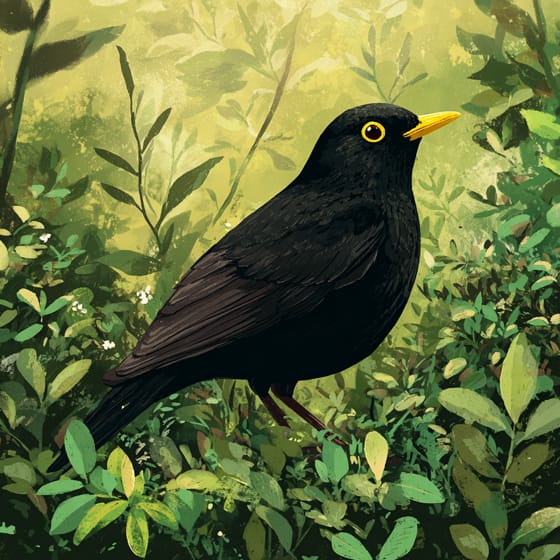
Turdus merula
feeds on its nutritious berries
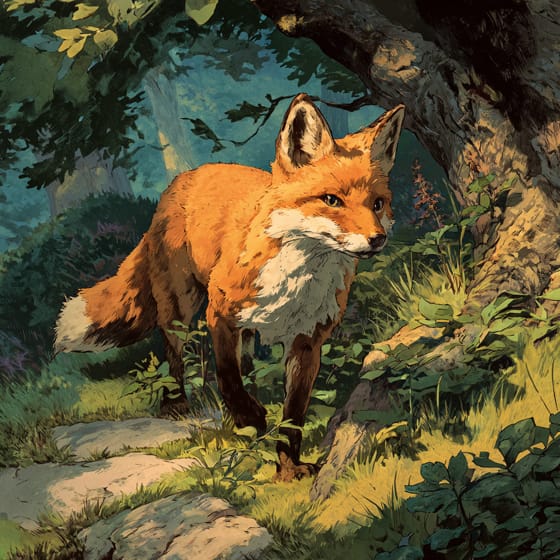
Vulpes vulpes
includes berries in its omnivorous diet
Deciduous plants periodically shed all their leaves, typically during autumn or dry seasons.
Flowering plants are any plants that produce flowers as part of their reproductive cycle.
A shrub is a woody plant smaller than a tree, typically with multiple stems branching from or near the ground.
Fruit-bearing plants produce fruits, which are the mature ovaries of flowering plants containing seeds.

Edible plants are those parts of a plant that are considered safe for human consumption.

This habitat trait identifies species found in wetlands, which are areas of land saturated with water, either permanently or seasonally, including marshes, swamps, and bogs.
No aliases listed yet.
Danger
1/5 · Very low
Always ask an adult before picking and eating wild berries.
The easiest way to identify bog bilberry is to use the Snappit nature identifier app.
10-70 cm
20-50 cm
0.4-0.6 cm
Late spring to early summer
Yes
None
Perennial
Zoom in to split clusters and explore where this object has been snapped.

Alaska, US
You might spot Dwarf Fireweed and Yellow Mountain-Avens.
View guide →

Alaska, US
You might spot Wood Frog, Northern Wheatear, and Caribou.
View guide →

New Hampshire, US
You might spot Diapensia, Eastern Mountain Avens, and Bog Bilberry.
View guide →
Take the discovery with you
Snap it with Snappit to identify it, learn what makes it special, and add the discovery to your collection.







.jpg&width=800)



_001.jpg&width=800)



