





pondcypress
Taxodium ascendens
The pondcypress is a tall tree that loves to grow near water. It has beautiful, feathery leaves and can live for a very long time, making it a special part of its wetland home.
Habitat: Wetlands
The pondcypress is a slender, deciduous conifer with a narrow, often columnar crown. Its feathery, bright green needle-like leaves turn striking rust-orange in fall, a key visual differentiator from evergreen conifers. The bark is fibrous and reddish-brown.
Category
PlantsRarity
Common
Danger
1/5 · Very low
Snaps
2
Its tiny seeds are a valuable food source for many birds and small mammals in the swamp!
Pondcypress cones release their seeds after a year, sometimes staying on the tree even longer!
Pondcypress wood is naturally resistant to rot, making it perfect for durable outdoor structures!
These amazing trees can grow directly in standing water, creating unique wetland forests!
Pondcypress can grow distinctive 'cypress knees' from its roots that help anchor it securely in soft, waterlogged soils.
Pondcypress has specialized roots that allow it to thrive even when submerged in standing water, where other trees would struggle.
Pondcypress is a unique conifer that sheds its leaves in winter, an adaptation to conserve energy and reduce water loss.
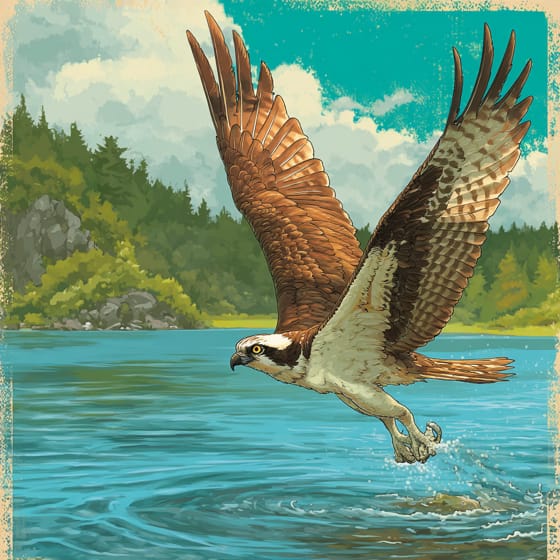
Pandion haliaetus
Nests built high in its sturdy branches.
Meleagris gallopavo
Forages on fallen seeds and young cones.

Procyon lotor
Eats seeds and uses hollows for shelter.
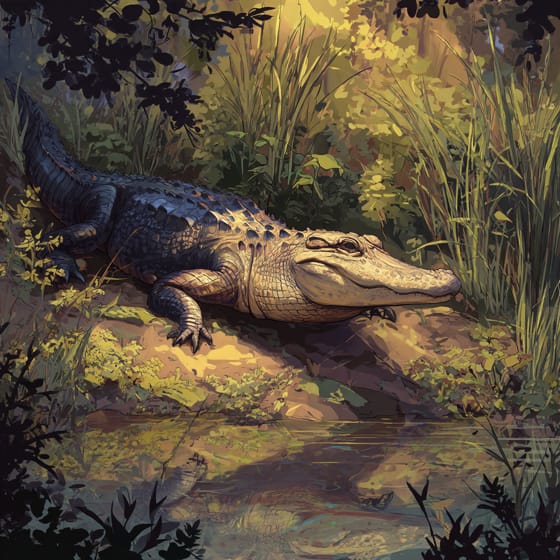
Alligator mississippiensis
Hides among roots and shadows along water.
Deciduous plants periodically shed all their leaves, typically during autumn or dry seasons.
Broadleaf trees are angiosperms characterized by flat, wide leaves that are typically shed annually in temperate climates.
Evergreen plants retain their foliage throughout the year, never shedding all their leaves at once.
Timber refers to wood that has been prepared for use in building and carpentry.

This trait signifies organisms belonging to a very old evolutionary group with ancestors dating back millions of years.

This trait characterizes organisms with an exceptionally long lifespan compared to others of their kind.

This habitat trait identifies species found in wetlands, which are areas of land saturated with water, either permanently or seasonally, including marshes, swamps, and bogs.

Describes a species whose presence and role have a disproportionately large effect on its environment.

Aquatic habitats encompass environments where organisms live predominantly in water, including oceans, rivers, lakes, and wetlands.
No aliases listed yet.
Danger
1/5 · Very low
Stay on paths and be careful near water when exploring nature.
The easiest way to identify pondcypress is to use the Snappit nature identifier app.
1500-3000 cm
300-600 cm
Late Winter to Early Spring
No
None
Perennial
Wind
Zoom in to split clusters and explore where this object has been snapped.
Take the discovery with you
Snap it with Snappit to identify it, learn what makes it special, and add the discovery to your collection.









.jpg&width=800)


_001.jpg&width=800)


