.jpg&width=800)





Carolina laurelcherry
Prunus caroliniana
The Carolina laurelcherry is a lovely shrub that can grow tall and has shiny green leaves. In spring, it blooms with small white flowers that smell sweet and attract butterflies and bees!
Habitat: Urban areas
The Carolina laurelcherry is an evergreen small tree or large shrub with glossy, dark green leaves that are often pointed. It has clusters of small, fragrant white flowers in spring, followed by tiny, shiny black or dark red berries.
Category
PlantsRarity
Common
Danger
2/5 · Low
Snaps
5
Even though it's called a cherry, its tiny fruits are technically 'drupes,' like mini peaches!
Its shiny leaves reflect sunlight like little mirrors, making them sparkle in the sun!
Sniff its spring flowers – they release a surprisingly sweet, almond-like scent!
The wood from this tree was sometimes used to craft sturdy handles for tools or small items.
Carolina laurelcherry has evergreen leaves that allow it to make food from sunlight even in winter, helping it grow strong.
Carolina laurelcherry can withstand dry conditions and disturbed soils, helping it thrive where other plants struggle.
Carolina laurelcherry produces toxic compounds in its leaves and seeds to protect itself from being eaten by many animals.
Carolina laurelcherry produces small fruits that birds love, spreading its seeds far and wide to grow new plants.
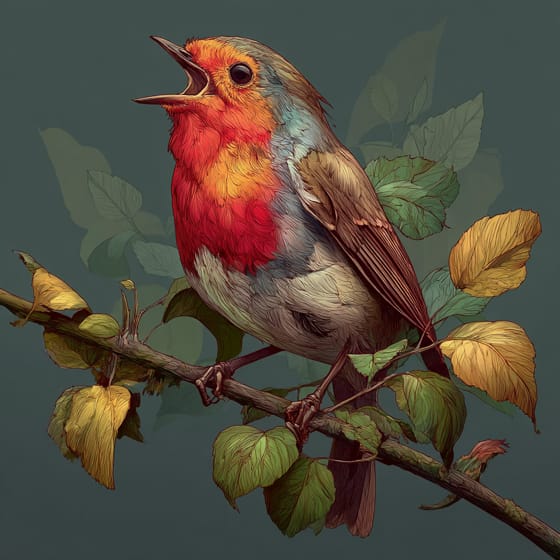
Turdus migratorius
Consumes ripe fruits for energy.
Apis mellifera
Visits flowers to collect nectar and pollen.

Bos taurus
Leaves are toxic if ingested by livestock.
.jpg&width=800)
Cnemidophorus sexlineatus
Hides in its dense foliage from predators.
Aromatic plants produce and emit fragrant volatile organic compounds, often for defense or to attract pollinators.
Flowering plants are any plants that produce flowers as part of their reproductive cycle.
A shrub is a woody plant smaller than a tree, typically with multiple stems branching from or near the ground.
Spring blooming plants produce their flowers during the spring season, often signifying the end of winter and the start of new growth.

Evergreen plants retain their foliage throughout the year, never shedding all their leaves at once.

Fragrant flowers emit a pleasant aroma, often to attract pollinators or for defense.

Fruit-bearing plants produce fruits, which are the mature ovaries of flowering plants containing seeds.

Edible plants are those parts of a plant that are considered safe for human consumption.

Describes plants that are particularly attractive and beneficial to a wide range of pollinating organisms.

This habitat trait indicates species that can coexist with humans in urban and suburban environments, utilizing man-made structures and green spaces.
No aliases listed yet.
Danger
2/5 · Low
While the berries are fun to look at, it's best not to eat them without asking an adult.
The easiest way to identify Carolina laurelcherry is to use the Snappit nature identifier app.
450-1200 cm
450-600 cm
0.3-0.5 cm
Late winter to early spring
No
Moderate
Perennial
Zoom in to split clusters and explore where this object has been snapped.

Alabama, US
You might spot American Beautyberry, White-Tailed Deer, and Peppervine.
View guide →

Florida, US
You might spot American Alligator, Great Blue Heron, and Anhinga.
View guide →

Georgia, US
You might spot Southern Toad, Anole, and Asian Lady Beetle.
View guide →

Georgia, US
You might spot Brown Anole, Northern Mockingbird, and Northern Cardinal.
View guide →

Alabama, US
You might spot Spanish Moss, Mediterranean House Gecko, and Anole.
View guide →

Georgia, US
You might spot Brown Anole, Northern Mockingbird, and Northern Cardinal.
View guide →
Take the discovery with you
Snap it with Snappit to identify it, learn what makes it special, and add the discovery to your collection.








.jpg&width=800)


_001.jpg&width=800)


