





Bonesets
eupatorium
Bonesets are tall, leafy plants that are great for butterflies! They have clusters of white or purple flowers that bloom in late summer, attracting all sorts of insects.
Habitat: Bonesets typically grow in wet meadows, along stream banks, and in lowland areas.
The Bonesets is a tall, sturdy plant featuring straight stems and fuzzy, lance-shaped leaves. Its small, white or pale purple flowers grow in dense, flat-topped clusters that make them highly visible and attractive to pollinators in late summer.
Category
PlantsRarity
Common
Danger
0/5 · No known danger
Snaps
Be the first to snap!
Even after flowering, Boneset's dried seed heads provide food for small birds in winter.
Its common name comes from old beliefs it could help heal fevers from 'breakbone fever'!
Some Native American tribes used Boneset to treat various ailments, passing down remedies.
The fuzzy leaves of some Boneset types help them hold onto morning dew, staying hydrated!
Bonesets can thrive in soggy soil because its roots are adapted to wet conditions, helping it grow where other plants struggle.
Bonesets has wide, flat flower clusters that act like landing pads, making it easy for many different insects to visit and collect nectar.
Bonesets has robust, often purplish stems that stand tall against winds and heavy rains, keeping its flowers visible.
Apis mellifera
Gathers nectar and pollen from its abundant flowers.
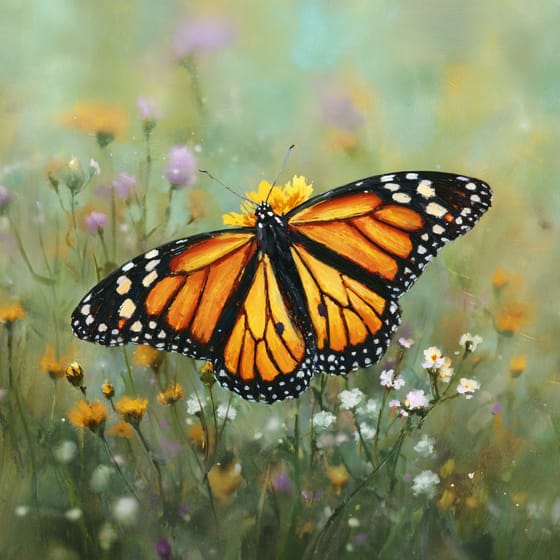
Danaus plexippus
Relies on Boneset as a late-season nectar source.
Bombus impatiens
A frequent visitor, collecting nectar and spreading pollen.
This trait characterizes organisms whose diet consists entirely or primarily of plant material.
Forest habitats are terrestrial environments dominated by dense tree cover, supporting a high diversity of plant and animal life.
This habitat trait identifies species found in wetlands, which are areas of land saturated with water, either permanently or seasonally, including marshes, swamps, and bogs.
Diurnal animals are primarily active during daylight hours, typically resting or sleeping at night.

Describes organisms that transfer pollen, enabling the fertilization and reproduction of plants.
Danger
0/5 · No known danger
No special safety notes yet.
The easiest way to identify Bonesets is to use the Snappit nature identifier app.
90-180 cm
45-90 cm
0.3-0.5 cm
Late summer to fall
No
Mild
Perennial
Zoom in to split clusters and explore where this object has been snapped.
Recent snaps will appear here as new observations are added.
Take the discovery with you
Snap it with Snappit to identify it, learn what makes it special, and add the discovery to your collection.








.jpg&width=800)



_001.jpg&width=800)




