





Bontebok
Damaliscus pygargus pygargus
The Bontebok is a beautiful antelope with a reddish-brown coat and striking white face and rump. They are known for their graceful movements and can be found grazing peacefully in grasslands.
Habitat: Grasslands
The Bontebok has a striking reddish-brown coat with a pure white belly, a large white blaze from its forehead to nose, and white markings on its rump and lower legs. Both males and females sport black, ringed, lyre-shaped horns.
Category
MammalsRarity
Common
Danger
1/5 · Very low
Snaps
Be the first to snap!
A baby Bontebok hides perfectly still in tall grass for weeks after birth!
Bontebok are only found in a small part of South Africa, making them truly unique!
Bontebok males create special 'dung heaps' to show other antelopes their territory!
When alarmed, Bontebok can make a loud snort sound to warn its entire herd!
Bontebok can create dung piles to mark their territory, which helps them warn rivals and attract potential mates.
Bontebok has exceptional eyesight and hearing that helps them detect predators from afar and stay safe in open grasslands.
Bontebok can efficiently digest coarse grasses because they have specialized digestive systems that allow them to thrive on their diet.
Bontebok can achieve bursts of speed when startled, helping them quickly outmaneuver and escape from predators.
Bonteboks are plant-eaters that love to munch on fresh grasses found in their habitats.
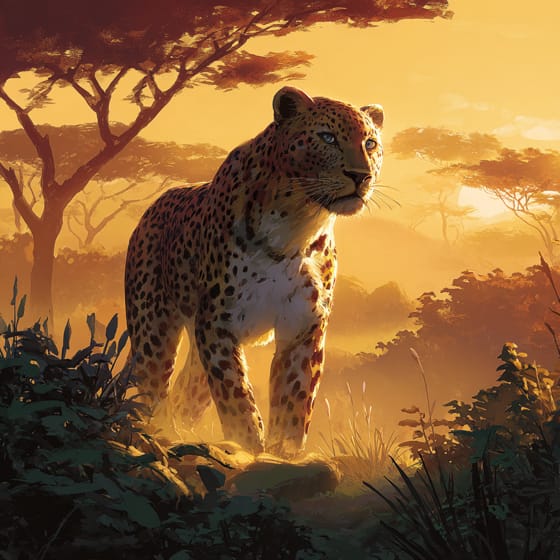
Panthera pardus
Leopards are primary predators of Bontebok, especially calves and weaker adults.
Canis mesomelas
Jackals often hunt Bontebok calves that are hiding in vegetation.
Themeda triandra
Bontebok primarily graze on various grass species, including Red Grass.

Gyps coprotheres
Cape Vultures scavenge on Bontebok carcasses, helping to clean the environment.
Furry describes animals possessing a dense covering of soft hair or fur.
Marked with parallel bands or lines of color.
Social animals live in organized groups, cooperating for survival benefits such as foraging, defense, and raising offspring.
Characterized by having one or more hard, permanent, pointed projections on the head.

Colorful describes organisms or objects displaying a wide range of bright and distinct colors.

Grassland habitats are terrestrial biomes dominated by grasses and herbaceous plants, supporting a variety of grazing animals.

This trait characterizes organisms whose diet consists entirely or primarily of plant material.

Endangered status indicates a species is at a very high risk of extinction in the wild in the near future.
Danger
1/5 · Very low
Admire Bonteboks from a safe distance and never try to approach or feed them.
The easiest way to identify Bontebok is to use the Snappit nature identifier app.
140-160 cm
50-90 kg
8-12 years
65 km/h
Bonteboks are plant-eaters that love to munch on fresh grasses found in their habitats.
Grasslands
Grazing
Zoom in to split clusters and explore where this object has been snapped.
Recent snaps will appear here as new observations are added.
Take the discovery with you
Snap it with Snappit to identify it, learn what makes it special, and add the discovery to your collection.




.jpg&width=800)



.JPG&width=800)

.jpg&width=800)
