





Boreal Burying Beetle
nicrophorus defodiens
The Boreal Burying Beetle is a fascinating little insect that helps clean up nature by burying dead animals. These beetles are like tiny recyclers, turning decay into life!
Habitat: Forests and grasslands
The Boreal Burying Beetle is a shiny black beetle with distinctive bright orange-red bands across its wing covers. Its antennae have noticeable orange tips. This robust insect has a somewhat flattened body shape, making it visually striking and unique.
Category
InsectsRarity
Common
Danger
1/5 · Very low
Snaps
1
Boreal Burying Beetles make squeaky sounds to communicate with their hungry young.
These beetles strip fur or feathers from buried animals to prepare them!
They roll the carcass into a ball, like a tiny meatball for their babies.
Two beetles often team up to bury a single animal, working together!
Boreal Burying Beetle can quickly bury animals many times its size because of its strong legs and cooperative digging, creating a safe nursery.
Boreal Burying Beetle has unique parental care that helps them feed and protect their young, a rare behavior among most insects.
Boreal Burying Beetle can locate dead animals from far away because of its super-sensitive antennae, helping it find food for its family.
Boreal Burying Beetle has special chemicals that help them preserve the buried carcass, stopping mold and bacteria from spoiling the food.
These beetles mostly feast on dead small animals and the maggots they find there.
Age differences: Larvae are fed regurgitated carrion by parents, then later feed directly on the buried carcass.
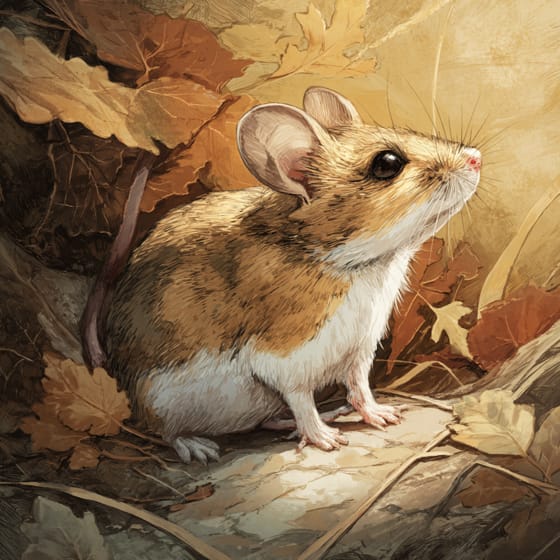
Peromyscus maniculatus
Consumes the mouse's carrion as food source.
Poecilochirus carabi
Mites hitch rides on beetles, helping clean carrion.

Procyon lotor
May dig up and eat beetles and their buried carrion.
Musca domestica
Eats fly larvae (maggots) competing for carrion.
Solitary animals live alone for most of their lives, only interacting with others for mating or parental care.
Burrowing animals dig tunnels and chambers in the ground, using these subterranean structures for shelter, hunting, or breeding.
Describes organisms that break down dead organic material, recycling nutrients back into the ecosystem.
This trait identifies organisms whose diet consists entirely or primarily of animal tissue.

Nocturnal animals are primarily active during the nighttime hours, typically resting or sleeping during the day.
Danger
1/5 · Very low
No special safety notes yet.
The easiest way to identify Boreal Burying Beetle is to use the Snappit nature identifier app.
25-45 mm
12-22 mm
60-300 days
8-15 km/h
These beetles mostly feast on dead small animals and the maggots they find there.
Forests and grasslands
Scavenging
Zoom in to split clusters and explore where this object has been snapped.
Take the discovery with you
Snap it with Snappit to identify it, learn what makes it special, and add the discovery to your collection.










.jpg&width=800)




