





Cosmopepla intergressa
Cosmopepla intergressa
The Cosmopepla intergressa, also known as the grasshopper, is a fun little insect that hops around in fields and gardens. They are known for their bright colors and can jump really far!
Habitat: Grasslands
The Cosmopepla intergressa is a small, shield-shaped stink bug with a glossy black body. It features striking bright red or orange markings, including a distinctive band across its back and spots along its sides, making it visually stand out from plain bugs.
Category
InsectsRarity
Common
Danger
1/5 · Very low
Snaps
Be the first to snap!
It grows up through stages that look like tiny versions of the adults!
Its bright colors are a warning sign to hungry predators to stay away!
Its scientific name means 'ornamented robe,' describing its fancy colorful pattern.
This bug can survive winter by finding shelter and becoming dormant as an adult.
Cosmopepla intergressa can release a foul-smelling liquid when threatened, because it has special glands that help them deter predators.
Cosmopepla intergressa has a specialized straw-like mouthpart called a rostrum, which helps them pierce plants and suck out their juices.
This colorful bug sips juices from plants using its straw-like mouthparts.
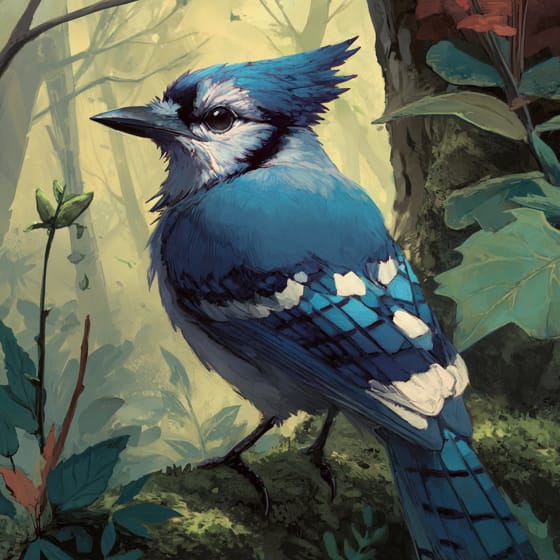
Cyanocitta cristata
Birds often find these bugs despite their warning colors.
Misumena vatia
Spiders ambush insects on flowers.

Monarda fistulosa
It feeds on the sap of this plant.
Mentha spicata
This bug uses its mouthparts to sip mint plant juices.
Singing animals produce complex vocalizations, often for purposes of attracting mates, defending territory, or communicating within their species.
Camouflaged describes organisms that possess coloring or patterns that allow them to blend into their environment.
Colorful describes organisms or objects displaying a wide range of bright and distinct colors.
Grassland habitats are terrestrial biomes dominated by grasses and herbaceous plants, supporting a variety of grazing animals.

This trait characterizes organisms whose diet consists entirely or primarily of plant material.

Diurnal animals are primarily active during daylight hours, typically resting or sleeping at night.

This trait identifies organisms that exhibit exceptional swiftness in movement for hunting, escape, or travel.
No aliases listed yet.
Danger
1/5 · Very low
Be gentle if you see a grasshopper. They are delicate and can easily get hurt.
The easiest way to identify Cosmopepla intergressa is to use the Snappit nature identifier app.
10-14 mm
5-7 mm
30-90 days
2 km/h
This colorful bug sips juices from plants using its straw-like mouthparts.
Grasslands
Foraging
Zoom in to split clusters and explore where this object has been snapped.
Recent snaps will appear here as new observations are added.
Take the discovery with you
Snap it with Snappit to identify it, learn what makes it special, and add the discovery to your collection.






.jpg&width=800)



