





Carolina Grasshopper
Dissosteira carolina
The Carolina Grasshopper is a lively insect known for its big jumps and green color. It loves to hop around in fields and gardens, making it fun to spot!
Habitat: Grasslands
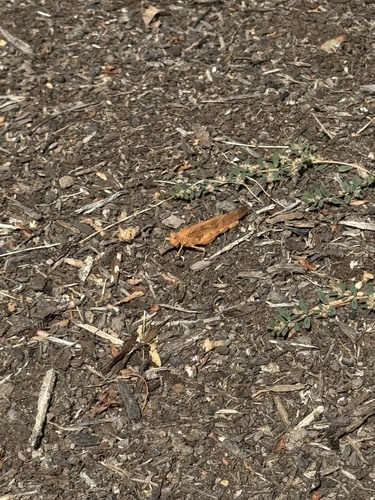
The Carolina Grasshopper is a large, sturdy insect, typically mottled brownish-grey to tan, helping it blend with bare ground or sandy areas. Its most distinguishing feature is the black hindwings bordered by a pale yellow band, visible only when it takes flight. This coloration makes it look very different from many green field grasshoppers.
Category
InsectsRarity
Common
Danger
1/5 · Very low
Snaps
4
Female Carolina Grasshoppers lay their eggs in the ground, carefully protecting them from the winter cold!
These big grasshoppers are super speedy fliers, often mistaken for small birds as they dart across fields!
They rub their wings and legs together to make a loud buzzing or clicking sound, especially when flying!
When flying, their black hindwings with yellow borders look like huge eyes, scaring away hungry birds!
Carolina Grasshoppers have mottled grey and brown coloration that helps them perfectly disappear against dirt paths and dry fields, hiding from predators.
Carolina Grasshoppers can leap impressive distances because of their powerful, spring-loaded hind legs, allowing them to escape danger quickly.
This grasshopper can flash its bright yellow and black hindwings as a sudden visual warning display, startling predators when it flies away.
Carolina Grasshoppers can fly swiftly for considerable distances, making them harder to catch and enabling them to find new food sources.
A plant-eating powerhouse that munches on grasses and various broad-leafed plants!
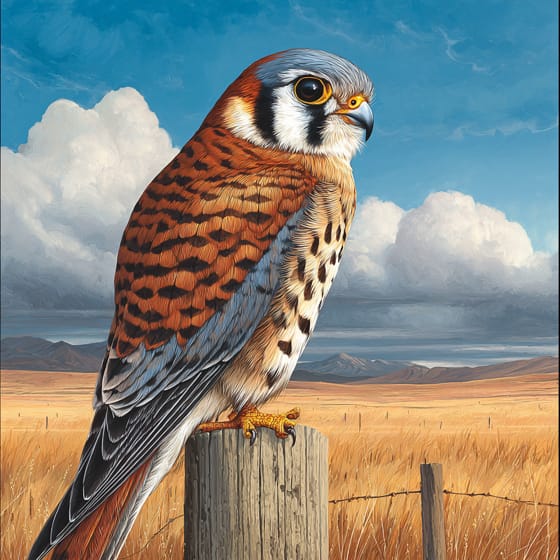
Falco sparverius
A key food source for these small falcons.
Argiope aurantia
Can get caught in their strong webs.

Taraxacum officinale
Feeds on the leaves of this widespread plant.
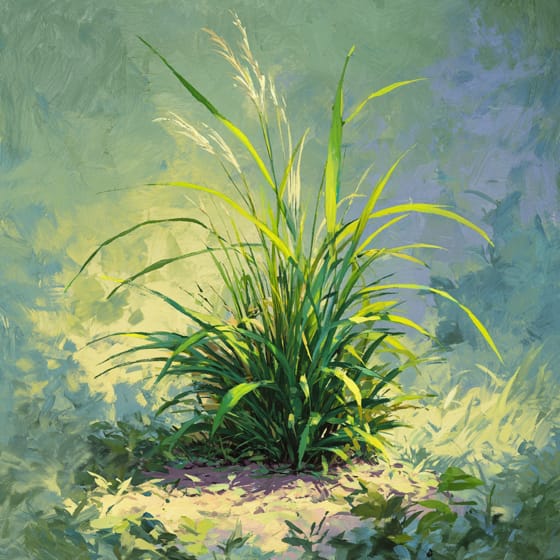
Poa pratensis
Grazes on common turf and field grasses.
Social animals live in organized groups, cooperating for survival benefits such as foraging, defense, and raising offspring.
Singing animals produce complex vocalizations, often for purposes of attracting mates, defending territory, or communicating within their species.
Camouflaged describes organisms that possess coloring or patterns that allow them to blend into their environment.
Colorful describes organisms or objects displaying a wide range of bright and distinct colors.

Grassland habitats are terrestrial biomes dominated by grasses and herbaceous plants, supporting a variety of grazing animals.

This trait characterizes organisms whose diet consists entirely or primarily of plant material.

Diurnal animals are primarily active during daylight hours, typically resting or sleeping at night.

This trait identifies organisms that exhibit exceptional swiftness in movement for hunting, escape, or travel.
No aliases listed yet.
Danger
1/5 · Very low
Grasshoppers are safe to observe, but be gentle if you catch one!
The easiest way to identify Carolina Grasshopper is to use the Snappit nature identifier app.
60-100 mm
30-50 mm
30-90 days
10 km/h
A plant-eating powerhouse that munches on grasses and various broad-leafed plants!
Grasslands
Grazing
Zoom in to split clusters and explore where this object has been snapped.
Aug 23, 2025
Cutler Botanic GardenPhoto attribution
(c) David Weisenbeck, some rights reserved (CC BY)
License: CC BY 4.0 ↗
Image may be shown cropped inside the card frame.
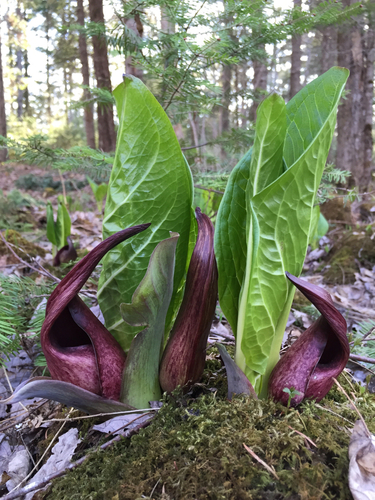
Connecticut, US
You might spot Eastern Skunk Cabbage and Eastern White Pine.
View guide →

New York, US
You might spot Eastern Carpenter Bee and Milkweed Tussock Moth.
View guide →

South Carolina, US
You might spot Gulf Fritillary, Admiral Butterfly, and Cypress Vine.
View guide →
South Dakota, US
You might spot Bighorn Sheep and Narrow-Leaved Purple Coneflower.
View guide →
Take the discovery with you
Snap it with Snappit to identify it, learn what makes it special, and add the discovery to your collection.






.jpg&width=800)



