





Brachynemurus abdominalis
Brachynemurus abdominalis
The Brachynemurus abdominalis is a special kind of insect known for its colorful body and long antennae. These insects are often found in sunny spots, where they like to flutter around.
Habitat: Grasslands
The Brachynemurus abdominalis is a pale, slender-bodied insect with two pairs of long, narrow, net-veined wings. Its body often blends in with sandy environments, and it has distinctive club-shaped antennae that are longer than its head.
Category
InsectsRarity
Common
Danger
1/5 · Very low
Snaps
Be the first to snap!
Adults look like delicate dragonflies but have special clubbed antennae.
Its babies, called antlions, are famous for building sand traps!
The larva can live for several years underground before becoming an adult.
They use tiny hairs on their legs to walk silently across the sand.
Brachynemurus abdominalis larvae can dig conical pit traps because of their shovel-like heads, which helps them ambush unsuspecting prey.
Brachynemurus abdominalis has a sandy-colored body and wings that helps them blend perfectly into their desert and scrubland habitats.
Brachynemurus abdominalis can fly silently at night because of their delicate wings, which helps them find mates and avoid daytime predators.
Larvae are fierce hunters of small insects, while adults often sip nectar or hunt tiny flyers.
Age differences: Larvae are voracious predators using pit traps; adults primarily feed on nectar and pollen, occasionally small flying insects.
Formica fusca
Larvae ambush this ant in their sand pits.
.jpg&width=800)
Tyrannus verticalis
Adults can be prey for insectivorous birds during the day.
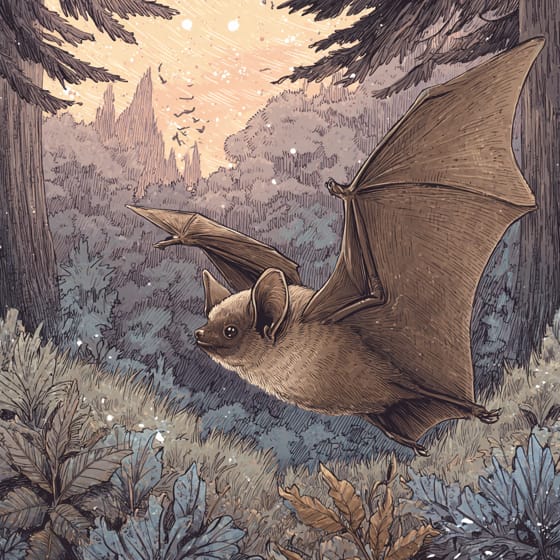
Myotis lucifugus
Nocturnal adults can be caught by bats during flight.
Social animals live in organized groups, cooperating for survival benefits such as foraging, defense, and raising offspring.
Aerial creatures spend a significant portion of their lives airborne, utilizing flight for various activities such as hunting, migration, or nesting.
Colorful describes organisms or objects displaying a wide range of bright and distinct colors.
Grassland habitats are terrestrial biomes dominated by grasses and herbaceous plants, supporting a variety of grazing animals.

This trait characterizes organisms whose diet consists entirely or primarily of plant material.

Describes plants that are particularly attractive and beneficial to a wide range of pollinating organisms.

This trait identifies organisms whose diet consists entirely or primarily of animal tissue.

Diurnal animals are primarily active during daylight hours, typically resting or sleeping at night.

Describes organisms that transfer pollen, enabling the fertilization and reproduction of plants.
No aliases listed yet.
Danger
1/5 · Very low
Insects are usually safe, but it's best to watch them from a distance.
The easiest way to identify Brachynemurus abdominalis is to use the Snappit nature identifier app.
50-80 mm
25-45 mm
15-30 days
1-5 km/h
Larvae are fierce hunters of small insects, while adults often sip nectar or hunt tiny flyers.
Grasslands
Ambush
Zoom in to split clusters and explore where this object has been snapped.
Recent snaps will appear here as new observations are added.
Take the discovery with you
Snap it with Snappit to identify it, learn what makes it special, and add the discovery to your collection.






.jpg&width=800)



