





Brazilian Teal
Amazonetta brasiliensis
The Brazilian Teal is a beautiful duck with a lovely green head and a bright blue patch on its wings. They love to swim in calm waters and can be found in groups, making them fun to watch!
Habitat: Wetlands
The Brazilian Teal is a small duck with a mostly greyish-brown body. Males have a distinctive reddish bill and a vibrant green patch on their wings. Females have a duller bill and often lack the bright green wing patch, making them subtly different.
Category
BirdsRarity
Common
Danger
1/5 · Very low
Snaps
Be the first to snap!
Brazilian Teal males have brighter colors to attract a mate!
Even Brazilian Teal ducklings can swim and dive hours after hatching!
Their diet helps control aquatic plant growth in their wetlands!
They sometimes nest in tree hollows, not just on the ground!
Brazilian Teals can expertly swim and dive because of their webbed feet and streamlined bodies, which helps them find food underwater.
Brazilian Teals have muted brown and grey feathers that help them blend into the reedy edges of wetlands, making it harder for predators to spot them.
Brazilian Teals can burst quickly into flight from the water due to their strong wing muscles, helping them escape danger fast.
They munch on plants, seeds, and tiny water creatures!
Age differences: Ducklings consume more protein-rich insects for rapid growth and development.
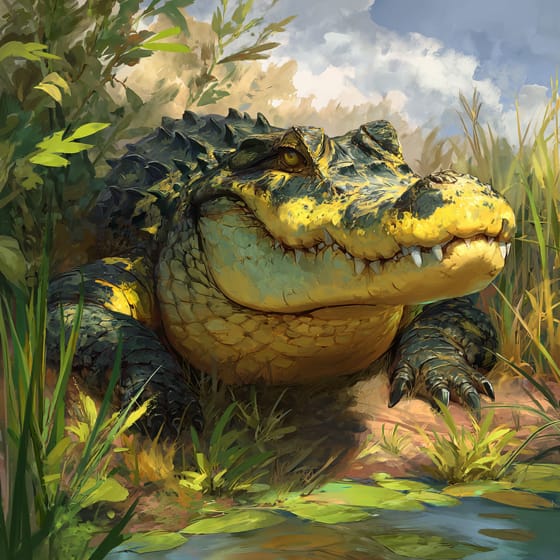
Caiman yacare
Hunts adult teals and especially ducklings in their aquatic habitat.
Lontra longicaudis
Preys on teals, particularly ducklings and eggs, in wetland areas.
Nymphaea amazonum
Eats its seeds and parts of the plant as a food source.
Potamogeton pusillus
Consumes its seeds and vegetative parts, contributing to its diet.
Characterized by having toes connected by a membrane, typically aiding in swimming.
Social animals live in organized groups, cooperating for survival benefits such as foraging, defense, and raising offspring.
This trait identifies organisms whose diet includes both plant and animal matter.
Colorful describes organisms or objects displaying a wide range of bright and distinct colors.

Filter feeders obtain nutrients by straining suspended food particles and small organisms from water.

This habitat trait identifies species found in wetlands, which are areas of land saturated with water, either permanently or seasonally, including marshes, swamps, and bogs.

Diurnal animals are primarily active during daylight hours, typically resting or sleeping at night.
No aliases listed yet.
Danger
1/5 · Very low
Always watch birds from a distance and don't try to touch them.
The easiest way to identify Brazilian Teal is to use the Snappit nature identifier app.
35-40 cm
55-65 cm
0.3-0.45 kg
5-10 years
70 km/h
They munch on plants, seeds, and tiny water creatures!
Wetlands
Zoom in to split clusters and explore where this object has been snapped.
Recent snaps will appear here as new observations are added.
Take the discovery with you
Snap it with Snappit to identify it, learn what makes it special, and add the discovery to your collection.




.jpg&width=800)









