





Brimstone Moth
Opisthograptis luteolata
The Brimstone Moth is a bright yellow moth that looks like a little piece of sunshine! It loves to fly around at night and can often be seen resting on trees during the day.
Habitat: Woodlands
The Brimstone Moth is a vibrant lemon-yellow moth with broad, irregularly shaped wings that can resemble leaves. Each forewing uniquely features a small, purplish-brown mark near its outer edge, making it distinct from other yellow moths.
Category
InsectsRarity
Common
Danger
1/5 · Very low
Snaps
Be the first to snap!
Brimstone Moths can have several batches of babies each year!
Even though it's bright, it often rests with wings folded, looking like a dead leaf!
Its scientific name means 'brightly painted yellowish' in Latin.
The caterpillar of this moth looks just like a tiny twig!
Brimstone Moth has bright yellow, irregularly shaped wings that help them blend in perfectly with yellowing leaves and flowers, making them hard for predators to spot.
Its caterpillar can hold very still and blend in like a broken twig because of its rough brown and green texture, helping them avoid hungry birds.
Brimstone Moths can fly and forage for nectar even after dark, guided by special antennae that help them detect the scent of distant flowers at night.
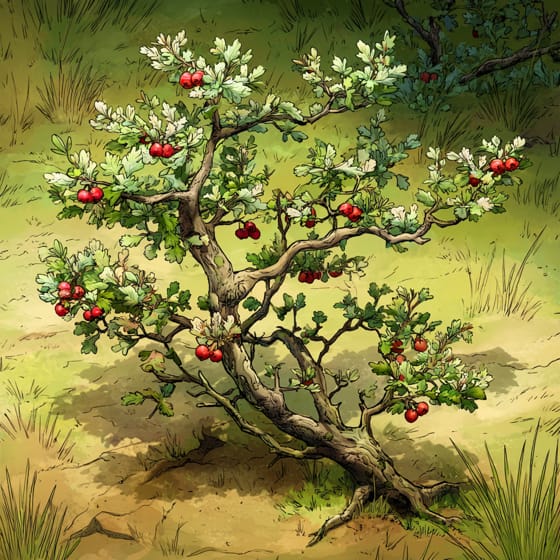
Adults sip sweet flower nectar, while their hungry caterpillars munch on plant leaves like hawthorn and blackthorn.
Age differences: Larvae eat plant leaves; adults drink flower nectar.
Solitary animals live alone for most of their lives, only interacting with others for mating or parental care.
Camouflaged describes organisms that possess coloring or patterns that allow them to blend into their environment.
Colorful describes organisms or objects displaying a wide range of bright and distinct colors.
This trait characterizes organisms whose diet consists entirely or primarily of plant material.

Forest habitats are terrestrial environments dominated by dense tree cover, supporting a high diversity of plant and animal life.

This trait identifies organisms that exhibit exceptional swiftness in movement for hunting, escape, or travel.

Nocturnal animals are primarily active during the nighttime hours, typically resting or sleeping during the day.

Describes organisms that transfer pollen, enabling the fertilization and reproduction of plants.
No aliases listed yet.
Danger
1/5 · Very low
Moths are usually safe to watch, but it's best not to touch them.
The easiest way to identify Brimstone Moth is to use the Snappit nature identifier app.
30-45 mm
18-22 mm
14-28 days
Adults sip sweet flower nectar, while their hungry caterpillars munch on plant leaves like hawthorn and blackthorn.
Woodlands
Foraging
6
Zoom in to split clusters and explore where this object has been snapped.
Recent snaps will appear here as new observations are added.
Take the discovery with you
Snap it with Snappit to identify it, learn what makes it special, and add the discovery to your collection.










.jpg&width=800)


