





Butterfly bush
Buddleja davidii
The Butterfly bush is a colorful plant that attracts butterflies with its sweet-smelling flowers. It blooms in summer and can grow quite tall, making gardens look beautiful and lively.
Habitat: Urban areas
The Butterfly bush has long, arching stems covered in silvery-green leaves. Its striking conical flower clusters, often vibrant purple, pink, or white, stand out from late summer, attracting many insects.
Category
PlantsRarity
Common
Danger
1/5 · Very low
Snaps
3
Each flower cluster is actually made of hundreds of tiny, sweet-smelling blossoms!
Its leaves often have a soft, fuzzy texture, feeling like velvet to the touch!
Some butterfly bush varieties can reach heights over 15 feet, like a small tree!
This plant is so tough, it can sprout from tiny seeds even in cracks of pavements!
Butterfly bush can produce abundant, sweet nectar that attracts a wide variety of butterflies and other pollinators for energy.
Butterfly bush can grow quickly and self-seed easily, allowing it to rapidly establish itself in new areas.
Butterfly bush has deep roots and silvery leaves that help it withstand dry periods, staying vibrant even when water is scarce.
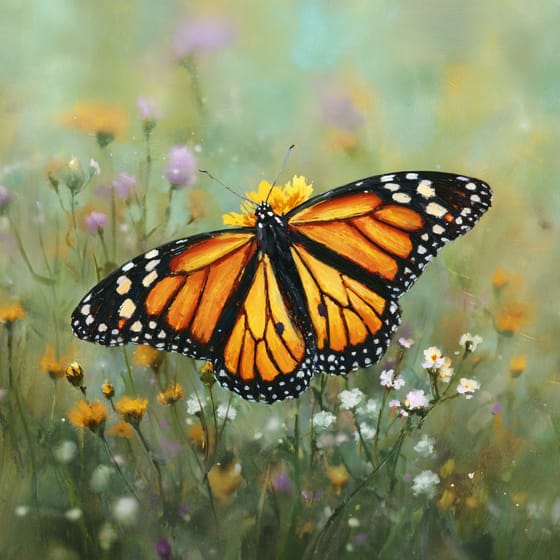
Danaus plexippus
Sips nectar for vital energy.
Apis mellifera
Collects nectar and pollen.
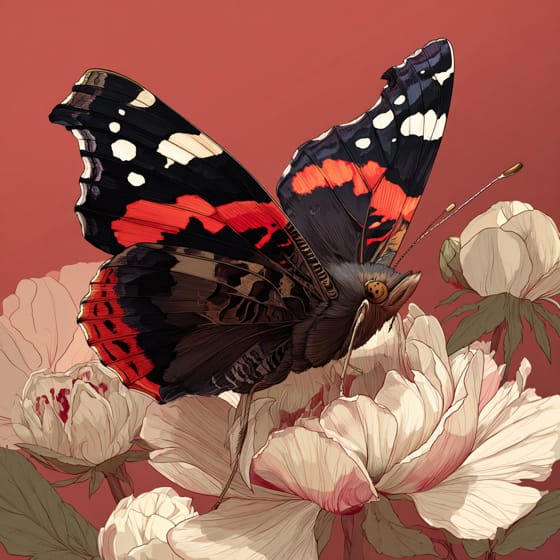
Vanessa atalanta
Feeds on flower nectar.
Aromatic plants produce and emit fragrant volatile organic compounds, often for defense or to attract pollinators.
Flowering plants are any plants that produce flowers as part of their reproductive cycle.
A shrub is a woody plant smaller than a tree, typically with multiple stems branching from or near the ground.
Summer blooming plants produce their flowers during the summer season, often providing vibrant color when many other plants have finished.

Fragrant flowers emit a pleasant aroma, often to attract pollinators or for defense.

Colorful describes organisms or objects displaying a wide range of bright and distinct colors.

Describes plants that are particularly attractive and beneficial to a wide range of pollinating organisms.

This habitat trait indicates species that can coexist with humans in urban and suburban environments, utilizing man-made structures and green spaces.
Danger
1/5 · Very low
Always ask an adult before touching plants, and be careful not to eat any part of them.
The easiest way to identify Butterfly bush is to use the Snappit nature identifier app.
180-360 cm
120-450 cm
0.3-0.5 cm
Summer to fall
No
Mild
Perennial
Zoom in to split clusters and explore where this object has been snapped.

Washington, US
You might spot Rock Pigeon, American Crow, and Olympic Gull.
View guide →
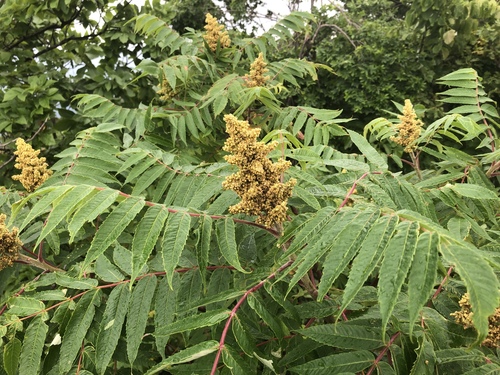
Pennsylvania, US
You might spot Staghorn Sumac, Spotted Lanternfly, and Butterfly Bush.
View guide →

California, US
You might spot Snow Leopard and Varecia Variegata Subcincta.
View guide →

Zurich, CH
You might spot Red Deer, Wolves and Dogs, and European Bison.
View guide →
Take the discovery with you
Snap it with Snappit to identify it, learn what makes it special, and add the discovery to your collection.








.jpg&width=800)


_001.jpg&width=800)




