





Broad-necked Root Borer
Prionus laticollis
The Broad-necked Root Borer is a large, cool beetle with a wide neck! It spends most of its life underground munching on roots before it comes out to play in the summer.
Habitat: Forests
The Broad-necked Root Borer is a large, sturdy beetle, typically reddish-brown to dark brown. It has a distinctly broad prothorax, giving it a 'broad-necked' appearance, and long, serrated antennae. Its flattened body is covered by hard wing cases.
Category
InsectsRarity
Common
Danger
1/5 · Very low
Snaps
1
Adult beetles can grow over 60mm long, making them giants among forest insects!
Its antennae look like tiny saws, helping it feel its way and find mates at night!
Its larva can live underground for up to five years, munching on tree roots!
This big beetle can make a squeaking sound if you disturb it, surprising predators!
Broad-necked Root Borer can chew through incredibly tough tree roots because of its powerful mandibles.
Broad-necked Root Borer larvae can tunnel deep underground for years, finding roots to eat.
Broad-necked Root Borer has a very tough, dark exoskeleton that protects it from danger.
Broad-necked Root Borer uses its long, sensitive antennae to detect signals and navigate in the dark.
Larvae munch on tree roots underground, while adult beetles usually don't eat anything!
Age differences: Larvae consume roots for years, but adults do not feed at all and primarily focus on reproduction.
Quercus rubra
Larvae feed on its roots.
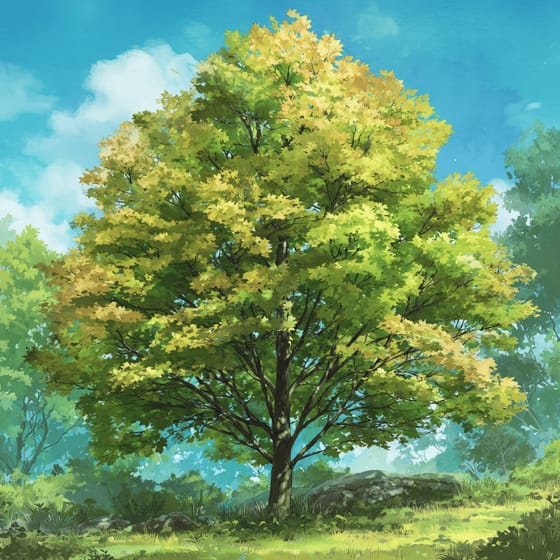
Acer saccharum
Roots provide food for larvae.
Didelphis virginiana
Opossums dig up and eat larvae.
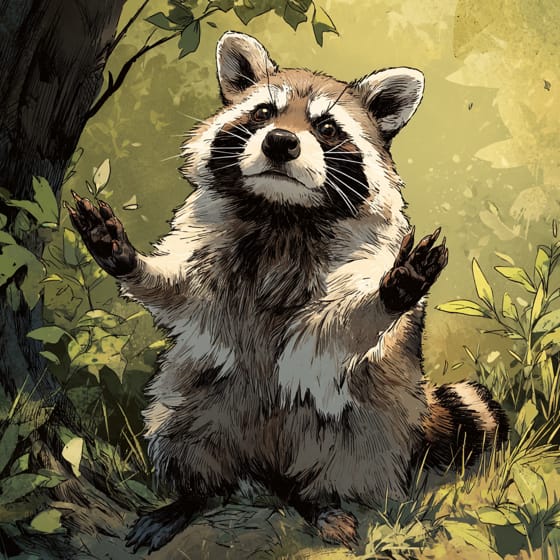
Procyon lotor
Raccoons also prey on larvae.
Solitary animals live alone for most of their lives, only interacting with others for mating or parental care.
Burrowing animals dig tunnels and chambers in the ground, using these subterranean structures for shelter, hunting, or breeding.
This trait characterizes organisms whose diet consists entirely or primarily of plant material.
Describes organisms that break down dead organic material, recycling nutrients back into the ecosystem.

Forest habitats are terrestrial environments dominated by dense tree cover, supporting a high diversity of plant and animal life.

Giant describes organisms or objects of significantly larger size than average for their species or type.

Describes organisms that transfer pollen, enabling the fertilization and reproduction of plants.
No aliases listed yet.
Danger
1/5 · Very low
These beetles are not harmful, but it's best to look and not touch them.
The easiest way to identify Broad-necked Root Borer is to use the Snappit nature identifier app.
50-100 mm
30-60 mm
1095-1850 days
12 km/h
Larvae munch on tree roots underground, while adult beetles usually don't eat anything!
Forests
Foraging
Zoom in to split clusters and explore where this object has been snapped.
Take the discovery with you
Snap it with Snappit to identify it, learn what makes it special, and add the discovery to your collection.









.jpg&width=800)



